





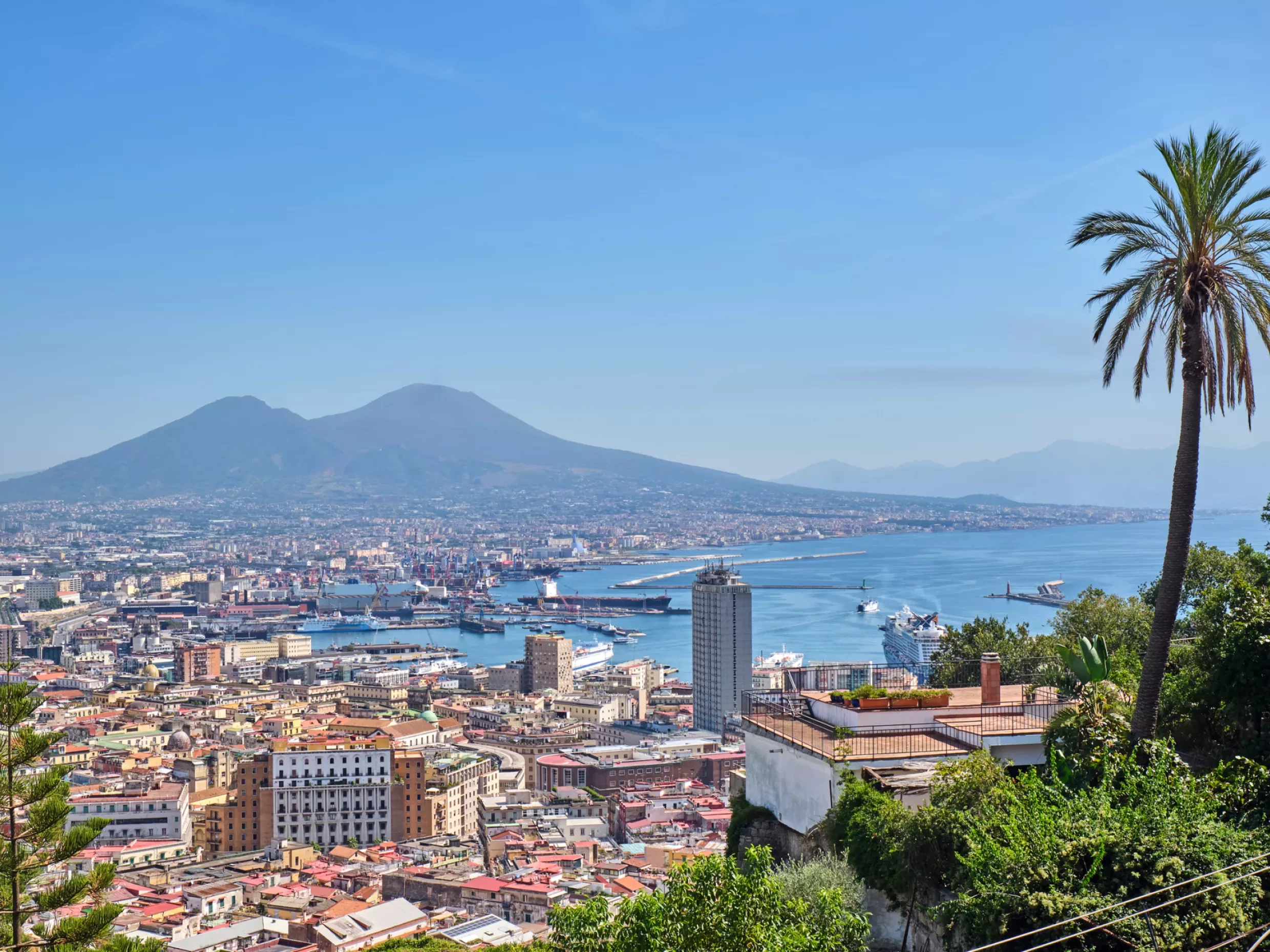
In Naples, food is the heartbeat of a city that lives loud, fast, and full of passion. Sat between the sea and a sleeping volcano, Neapolitan cooking was born in the streets. If Bologna is Italy’s belly, then Naples is its soul.
A City Built on Fire & Flavour
The Neapolitan story begins on the shores of the Bay of Naples, founded in the eighth century BC by Greek settlers who first named it Parthenope, and then within a century or two, Neapolis, or ‘the new city.’ One of Europe’s oldest continuously inhabited urban centres, the city played an important role in immersing Greek and Roman cultures together, and its position on the Mediterranean made it a natural meeting point for traders and travellers.
From the beginning it absorbed influences from centuries of conquerors that inhabited its streets. The Romans established it as a centre of commerce and leisure, and later came Byzantines, Normans, Angevins, and the Spanish, each leaving behind their own imprint on language, customs, and cuisine.
By the late Middle Ages, Naples had grown into one of Europe’s most densely populated cities, a vital port where goods, people, and ideas from all over the world converged. It was this mixture of foreign influence and local hardiness that would come to define Neapolitan food. Ingredients such as tomatoes from the Americas and spices from the East found their place alongside the more staple local produce.
The Neapolitan Culinary Journey Begins
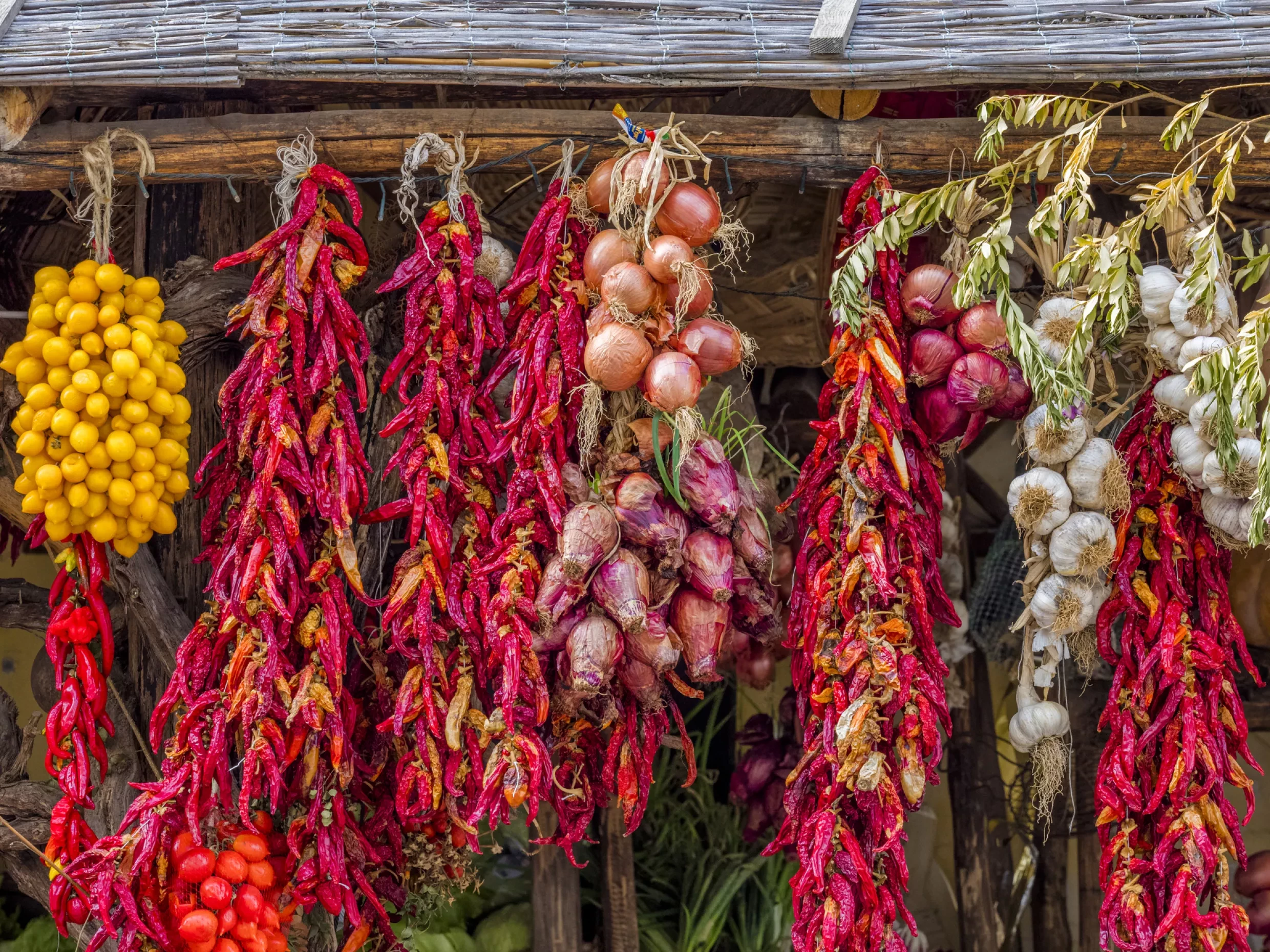
From around 1500 or so, the food of Naples began to take on a distinctly local identity. While the nobility dined extravagantly on dishes from France and Spain, the majority of Neapolitans lived in crowded spaces and had to rely on simple, affordable ingredients. Out of this class separation grew two parallel culinary traditions - one of refinement, the other of necessity. The latter became the centre of traditional Neapolitan cooking. Meals were built from bread, pasta, and vegetables, and packed with flavour wherever possible. This was the art of cucina povera, (‘poor kitchen’ or ‘peasant cooking’) the way of making the most of not very much, and it would come to define the city’s food.
The City That Fed the Streets
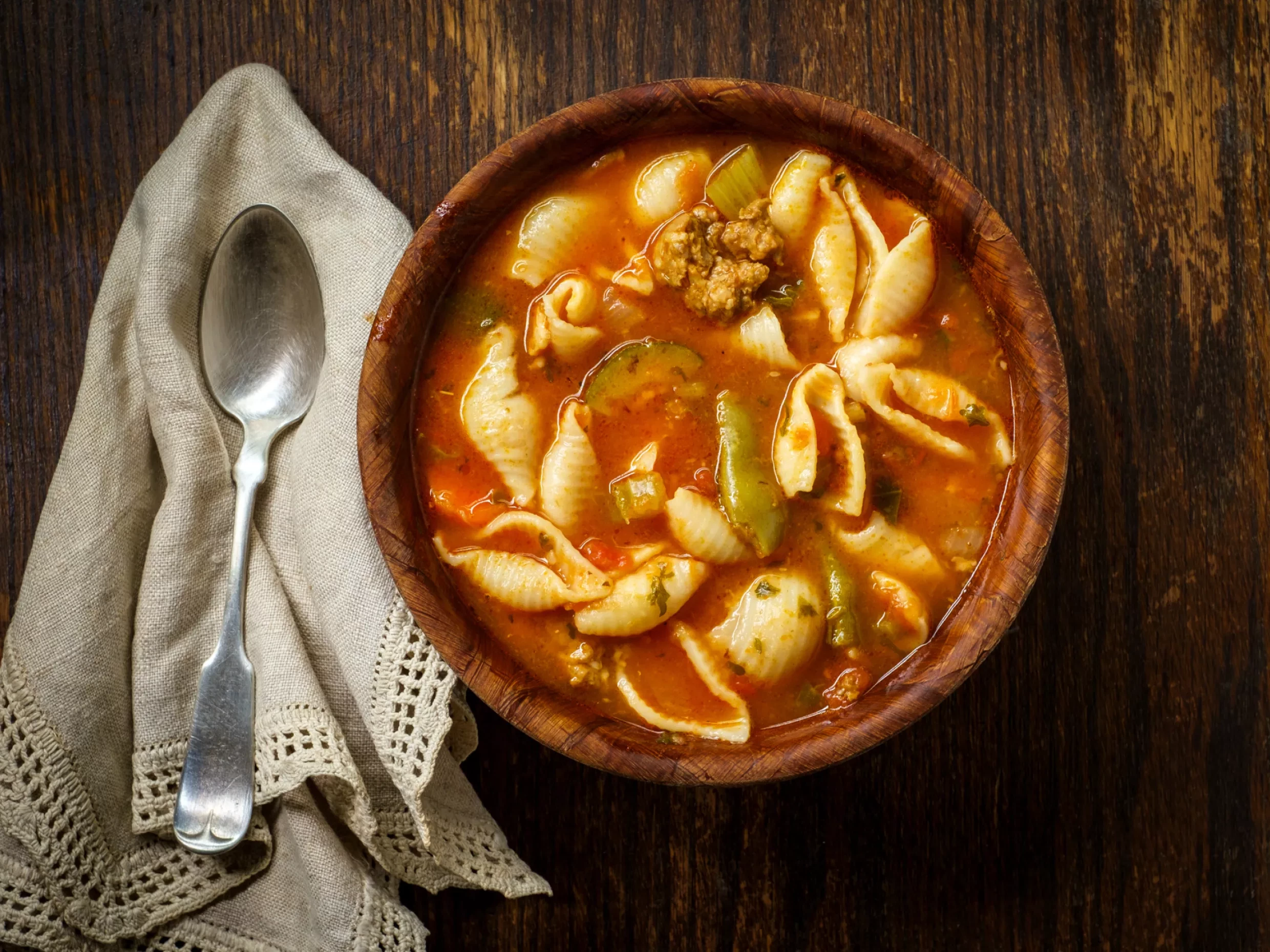
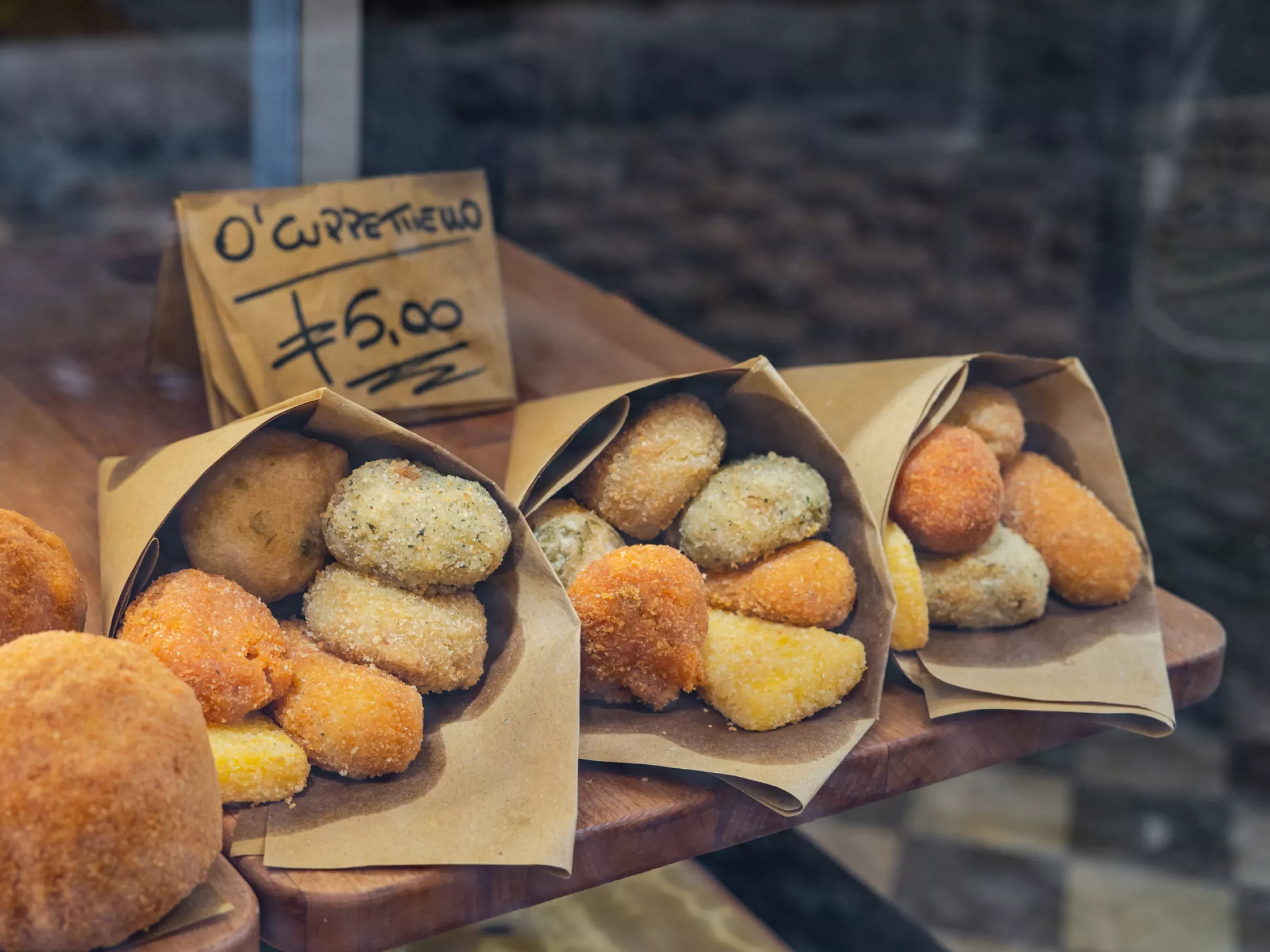
As Naples expanded under Spanish and later Bourbon rule, cooking and eating began to move into shared spaces, with vendors setting up on corners and in markets to feed a growing urban population. Street sellers became a familiar presence, offering quick, inexpensive dishes that could be eaten standing or taken away. By the eighteenth and nineteenth centuries, this street-food culture had become one of the city’s defining features. Vendors known as maccheronari sold bowls of pasta dressed with simple sauces, and fryers cooked pieces of dough, vegetables, and small fish in hot oil for hungry passersby, today known as cuoppo fritto.
These foods were designed to be affordable, filling, and easy to eat on the move. Over time, many of these practical street dishes developed into the emblematic recipes now associated with Naples.
The Character of Cucina Povera
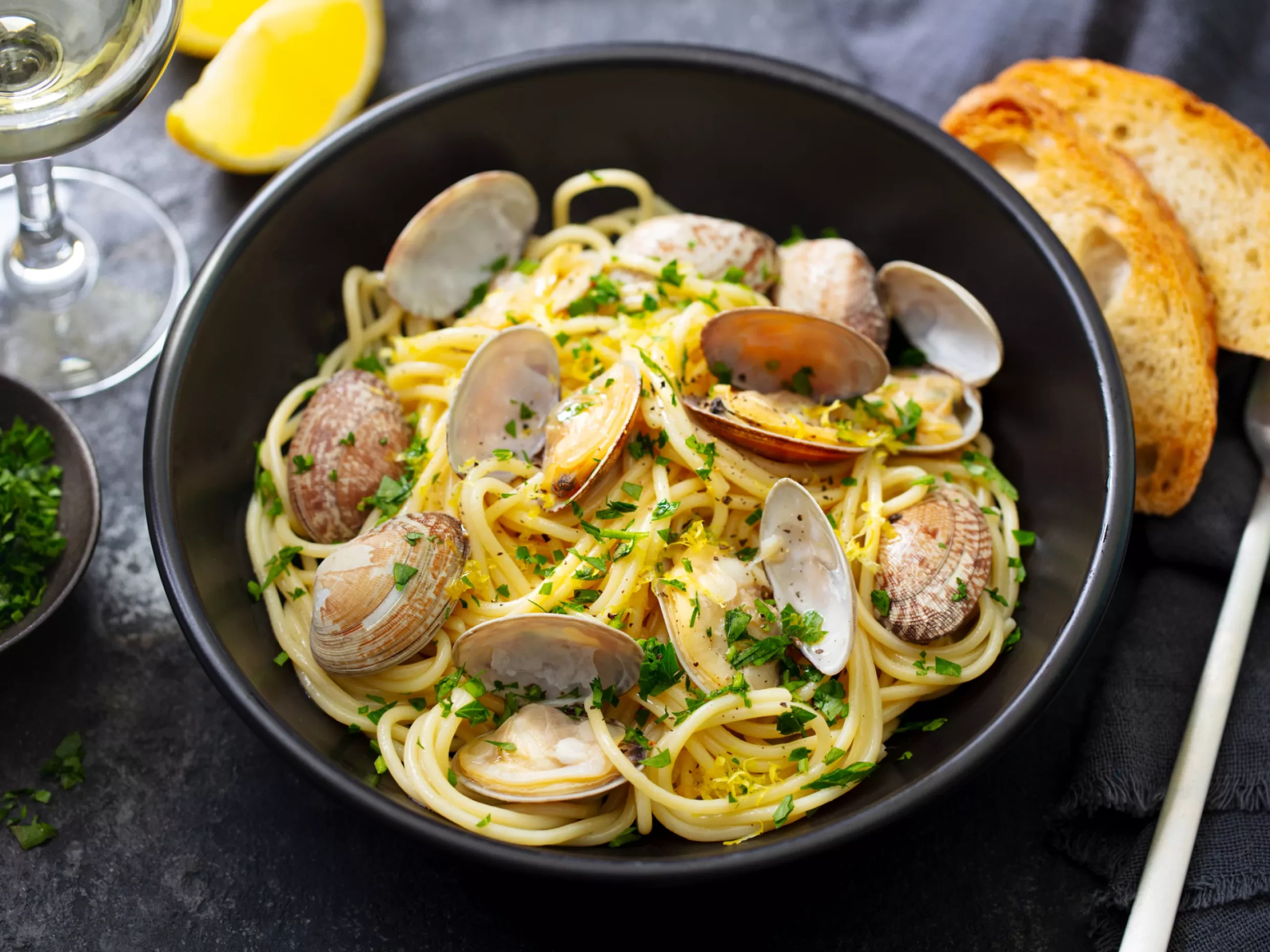
Neapolitan cuisine is defined by a few consistent features that have their roots in the region’s geography and climate. Naples lies in a warm, coastal area with long growing seasons, where tomatoes, aubergines, peppers, and leafy greens mature well and can be used fresh for much of the year. The city’s proximity to the sea also means that fish and shellfish play an important role in the diet, especially in dishes like the iconic spaghetti alle vongole (spaghetti with clams).
The cooking style is generally simple, favouring few ingredients prepared in ways that highlight their quality. Pasta is usually dressed with uncomplicated sauces such as tomato, garlic and oil, or with seafood, and olive oil is the fat of choice.
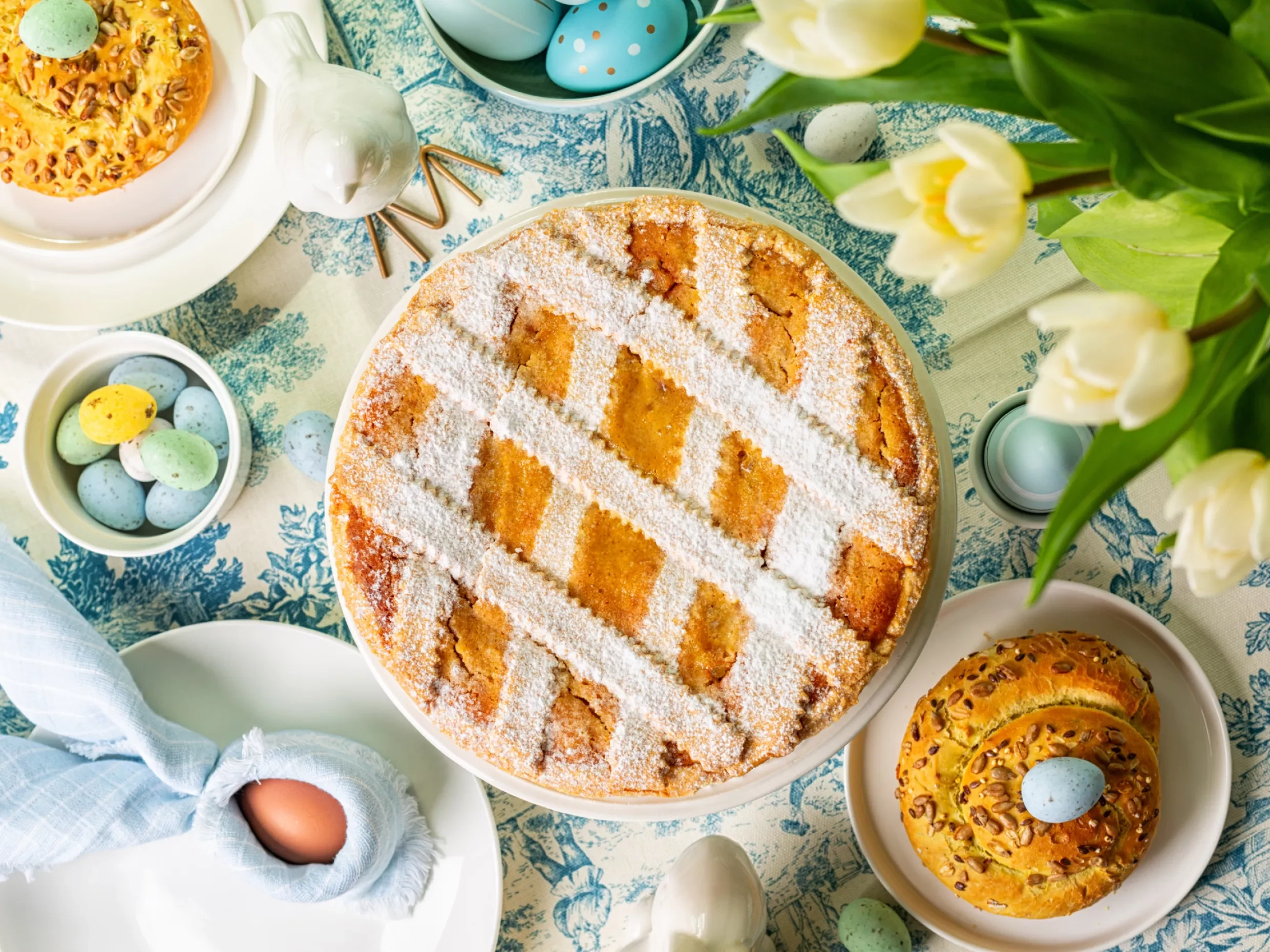
Certain dishes are often associated with specific times of the year, for example the rich savoury bread casatiello and the ricotta-and-grain tart pastiera are classic Easter dishes, and fried baccalà (salt cod) and capitone (eel), often alongside dishes like spaghetti alle vongole and sweet struffoli, are often served at Neapolitan tables at Christmas tables.
Naples & Pizza
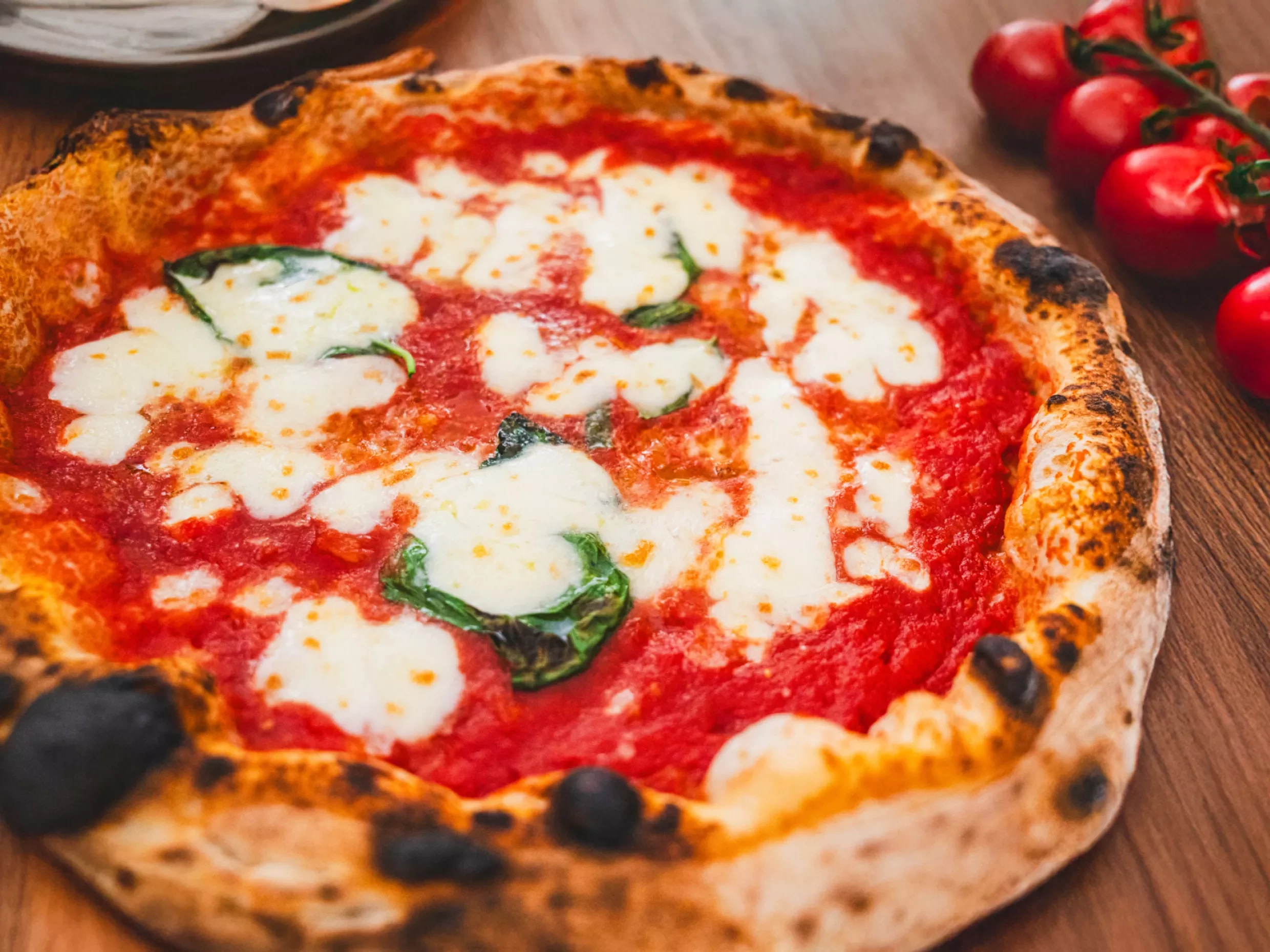
Perhaps no food is more synonymous with Naples than pizza. The traditional style is formally defined by organisations including the Associazione Verace Pizza Napoletana (AVPN), or the True Neapolitan Pizza Association, founded in 1984, which sets standards for ingredients, dough preparation, and baking method.
Authentic Neapolitan pizza dough is made from wheat flour, water, salt, and yeast, mixed and left to ferment for a specific period before being shaped by hand by an experienced pizzaiolo. It’s baked at high temperature - typically around 430 - 485°C (800 - 900°F) - in a wood-fired oven for roughly 60 - 90 seconds. The end result is a soft, elastic base with a raised edge, known as the cornicione, that should be airy and lightly charred.
Yet between the members of the AVPN, there are still fierce debates over hydration levels, fermentation times, and the use of natural or commercial yeast, and while these arguments rage on in pizzerias and cafes all over Naples, there’s broad agreement that even a simple pizza requires technical discipline and strict attention to process.
And it’s not just the base that has rules. The toppings are also regulated. The two most recognised versions are the Marinara - topped with San Marzano tomatoes, garlic, oregano, and olive oil - and the Margherita, made with tomatoes, mozzarella (either fior di latte or mozzarella di bufala), fresh basil, olive oil, and salt. Ingredients are few and applied sparingly. An overload of toppings are avoided to preserve the structure and balance of the dough.
Napoli’s Icons
Naples is known the world over for a number of iconic recipes and dishes, here’s just a few of the city’s best fare.
Pizza Napoletana
Often regarded as the city’s most famous culinary export, Neapolitan pizza is a very simple dish built on strict standards. The base is a thin, soft dough made from wheat flour, water, salt, and yeast, left to ferment for hours before being stretched by hand and baked in a wood‑fired oven. The classic Margherita version typically uses San Marzano tomatoes, fresh mozzarella di bufala, basil, and olive oil.
Spaghetti alla Vongole
This pasta dish is one of Naples’ most enduring seafood signatures. It typically consists of long spaghetti tossed with fresh, straight-out-of-the-sea clams cooked in a light sauce of olive oil, garlic, and sometimes a touch of white wine and parsley. It’s eaten all year round but is especially associated with warmer months.
Pastiera Napoletana
Pastiera is a baked, shortcrust pastry tart strongly tied to Easter. The filling is a mixture of ricotta, cooked wheat berries, sugar, eggs, lemon, and candied orange, with the merest hint of orange‑flower water and sometimes cinnamon. Families usually prepare it in the week before Easter, and it’s often eaten at Easter Sunday lunch or on Easter Monday.
Casatiello
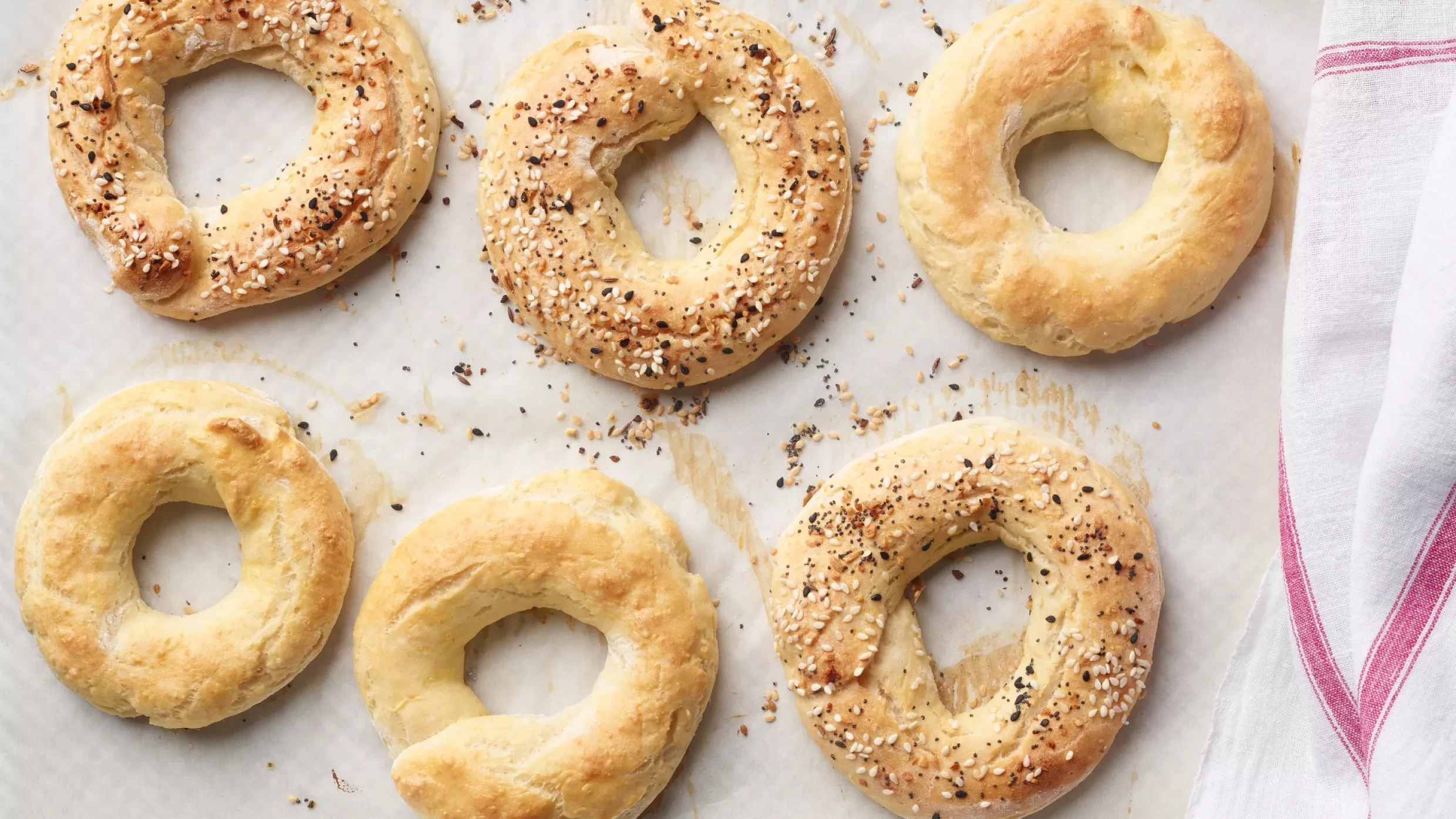
Another Easter favourite designed to symbolise the Crown of Thorns, casatiello is a ring-shaped savoury bread made with a dough enriched with eggs, lard, and grated cheeses including pecorino and provolone, stuffed with cubes of ham, salami, pancetta, and other cured meats. Whole eggs are often embedded in the top of the loaf, basting in the crust as it bakes.
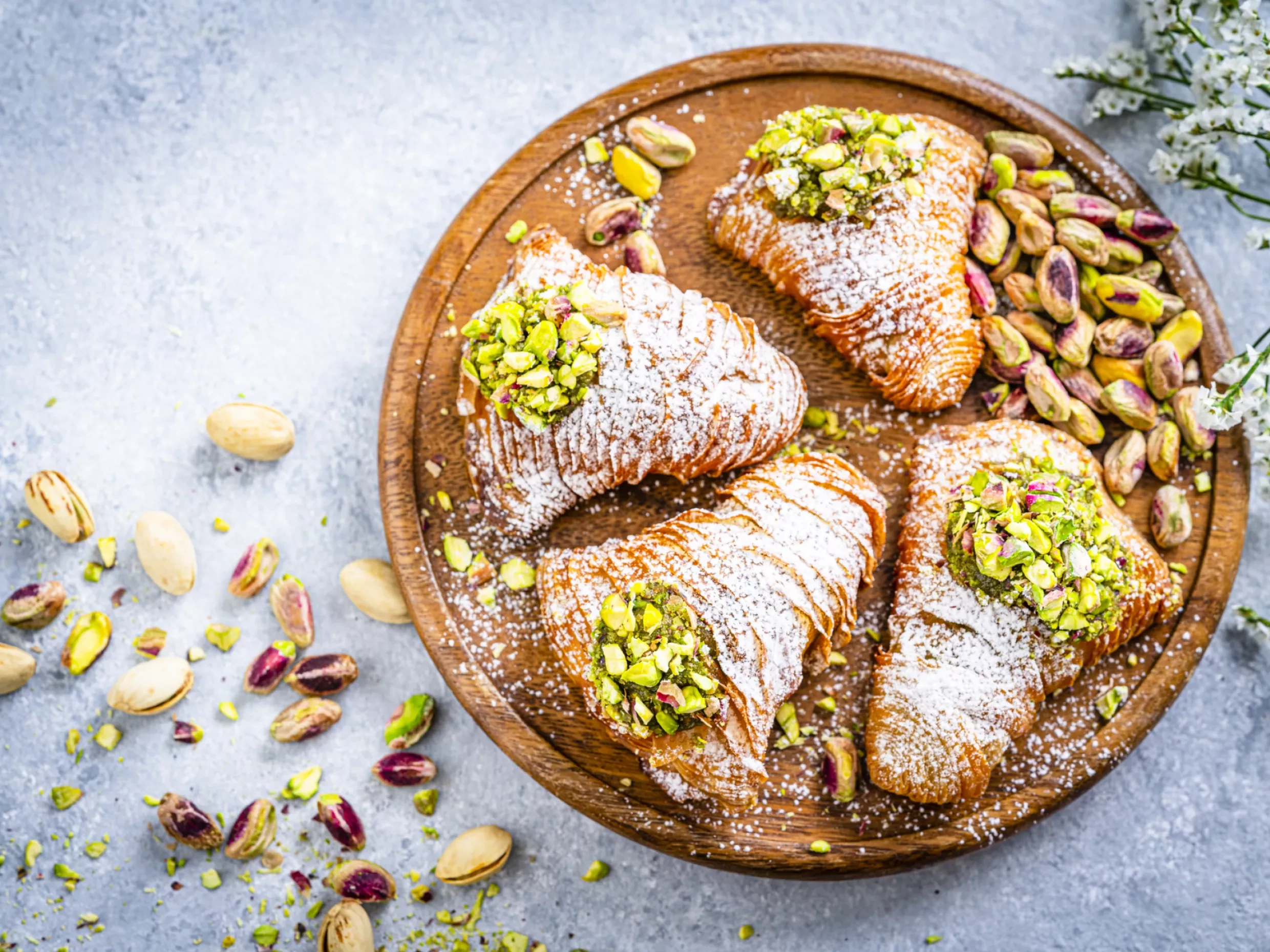
Sfogliatella
Sfogliatella comes in two major forms - riccia (curly, flaky) and frolla (shortcrust) - but both are wonderful Neapolitan pastries. The riccia is famous for its many thin, layered strands of pastry wrapped around a sweet filling of ricotta, semolina, candied fruit, and citrus zest. It’s usually eaten at breakfast or as a mid‑morning or afternoon snack, often with an espresso. The pastry has long been sold in Naples’ historic pasticcerias, or pastry shops, and cafés.
Babà al Rhum
Babà is a small yeast cake, typically shaped like a mushroom or a small cup, which is baked, then soaked in a rum‑sugar syrup and sometimes filled with pastry cream. The decadent dessert originated in Poland as babka in the eighteenth century, but owes much to Neapolitan contact with French and Austrian baking traditions, adapted over time into a local favourite.
Ragu Napoletano
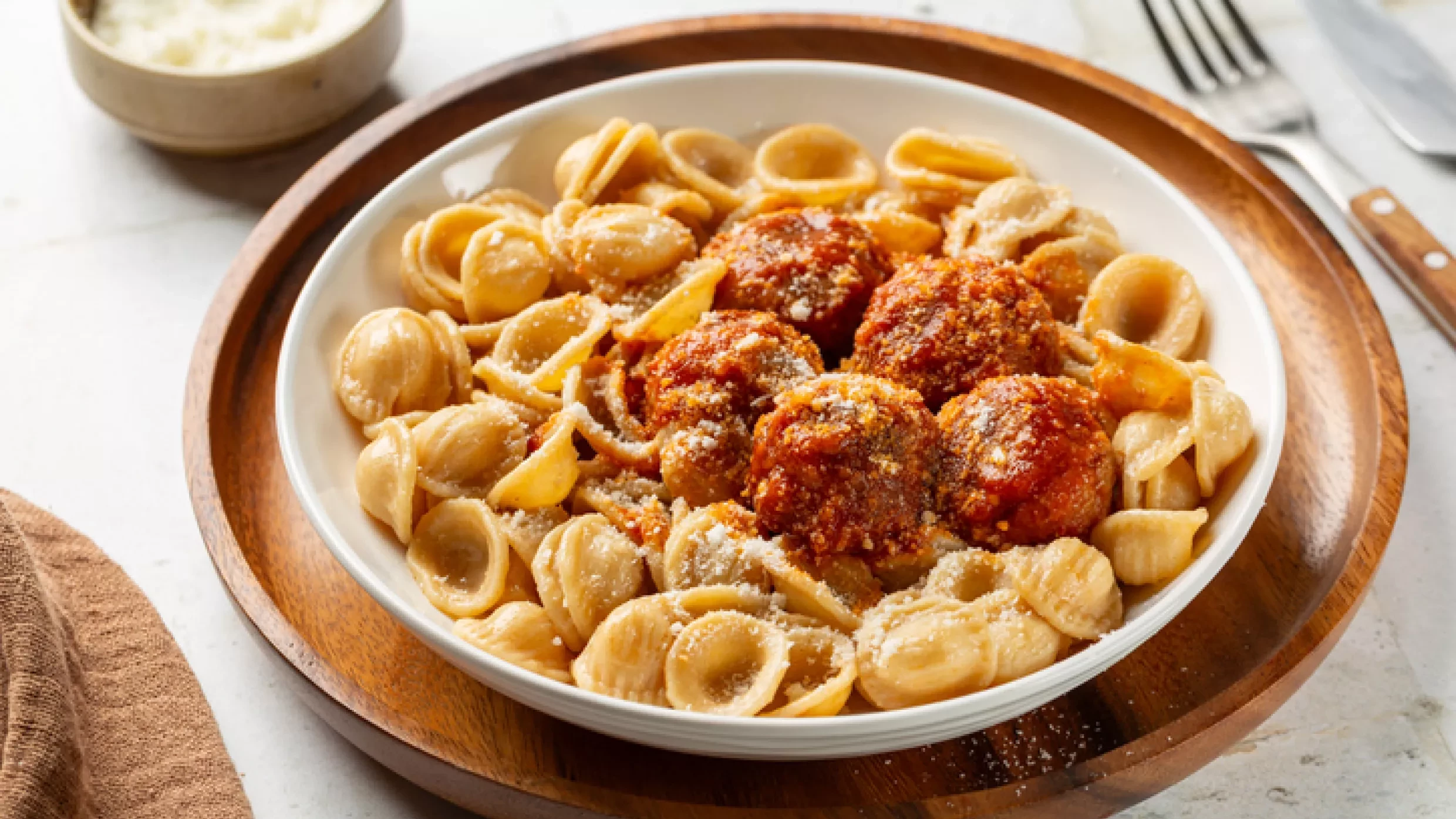
Naples has its own version of the slow‑cooked meat sauce, distinct from Bolognese. Neapolitan ragù is usually made with beef brisket, shin or shoulder or a mix of meats including pork and Italian sausage, slowly simmered for hours with onions, red wine, fresh basil, and sometimes tomato. It’s traditionally served with tubular pasta such as ziti or rigatoni, and is a fixture of Sunday family meals.
Cuoppo Fritto
The very definition of Naples’ street‑food culture, cuoppo, the Neapolitan term for a paper cone, is filled with fried food, commonly a mix of small fish, vegetables, and sometimes morsels of pasta. It’s a fast, inexpensive meal originally eaten by workers and fishermen, now enjoyed by locals and visitors alike.
Naples in Every Bite
Neapolitan food, in all its forms, tells the story of a city that has always lived close to the edge - between sea and volcano, and poverty and abundance. From perfect pizza, to slow‑simmered ragù and the unmistakable crackle of fried cuoppo, its dishes are reminders that great cuisine doesn’t have to come from palaces and grand kitchens, it can come from the raw, everyday life of the streets.
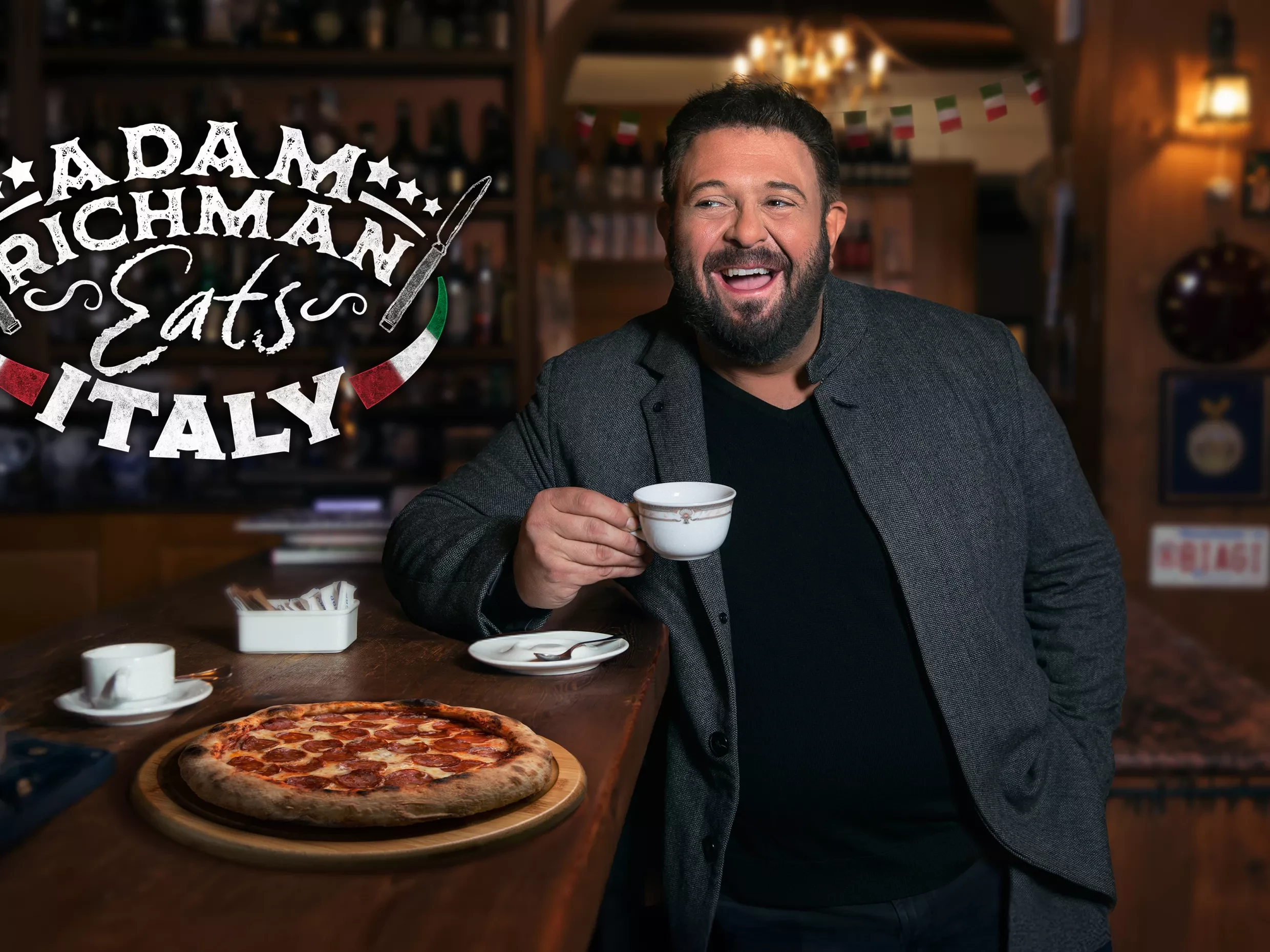
Watch Adam Richman Eats Italy On Discovery+
Man vs Food legend Adam Richman’s new show on Discovery+ uses the map as a menu as he embraces Italy’s remarkable relationship with food. In episode eight, Adam is in Naples to taste the most iconic foods named after this city. From the 100% classic Napolitana pizza to a pasta dish called spaghetti alle vongole, plus a delicious pastry called la sfogliatella.
Watch Adam Richman Eats Italy on discovery+ today!
You can also read an interview with Adam as he discusses his culinary journey through Italy here.