


Few meals are as homely and comforting as an Easter feast with the whole family around the table. So how did these humble foods become the cornerstones of a sensational Sunday spread? Baked in tradition and seasoned with legend, this is the story of the Easter meal.
Spring on the Table: Feasting After Winter
After the lean winter months, spring marked the welcome return of fresh food to the table. Across much of Europe and the Near East, that meant tender greens, young lamb, fresh eggs, and new dairy. Long before Easter was established, these spring feasts celebrated the reawakening of the land and the shift from survival to abundance.
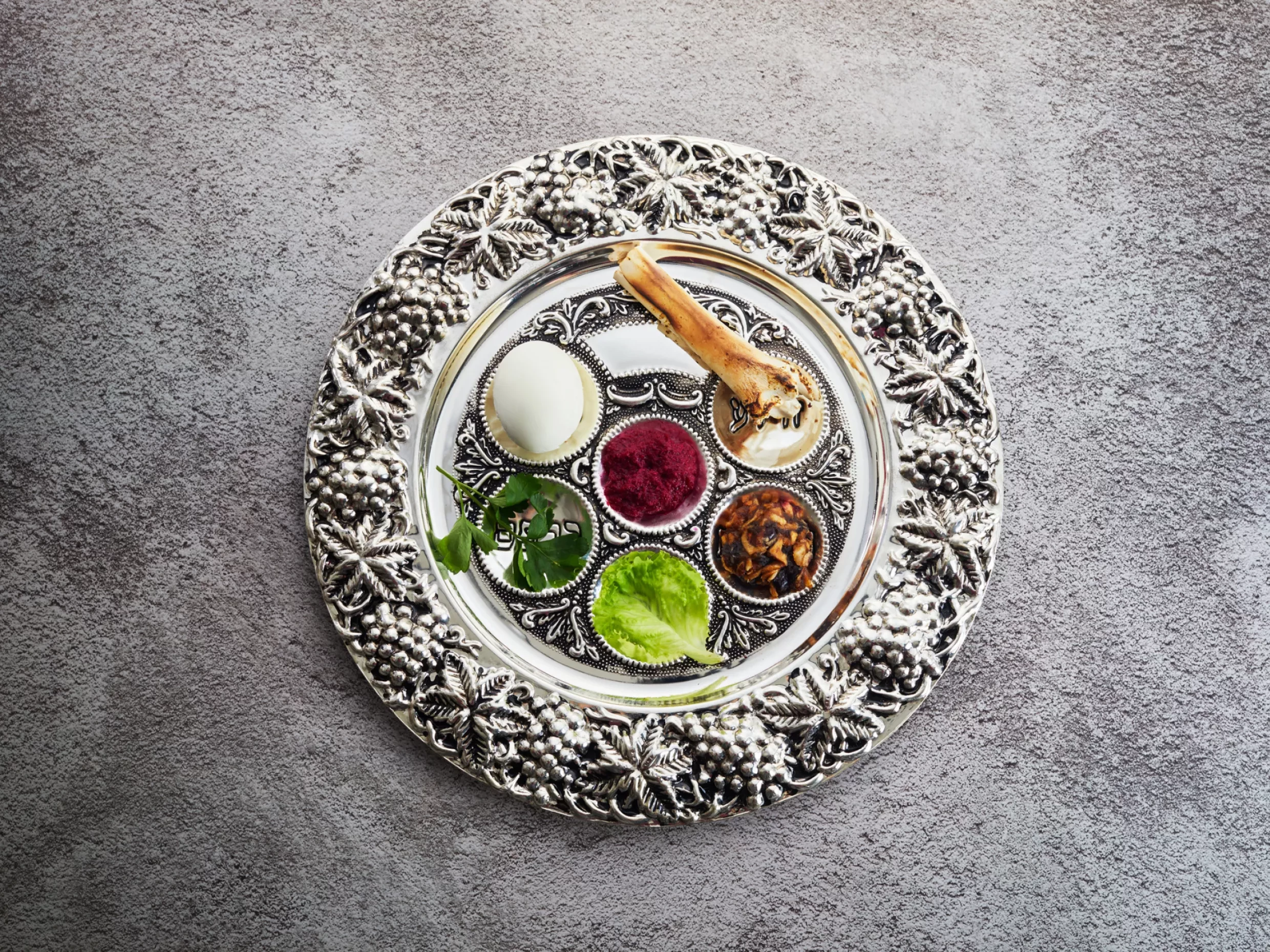
As Christianity spread, Easter developed primarily from the Christian observance of the Resurrection and from its close relationship to Jewish Passover, rather than simply as a reworking of earlier pagan spring festivals. The earliest Easter meals were shaped by the Passover seder, in which lamb, unleavened bread, and wine carried symbolic meaning. As Easter evolved into a distinct celebration, these foods remained at its heart, shaped over time by regional tastes and local harvests. The result was a feast that blended faith and seasonality, which has barely changed over the centuries.
From Fasts to Feasts: The First Easter Meals
By the early centuries of the Christian era, Easter gradually became connected to the end of Lent - forty days of abstinence and self-reflection that restricted rich foods. When the fast finally ended, the return of these ingredients marked a moment of culinary celebration.
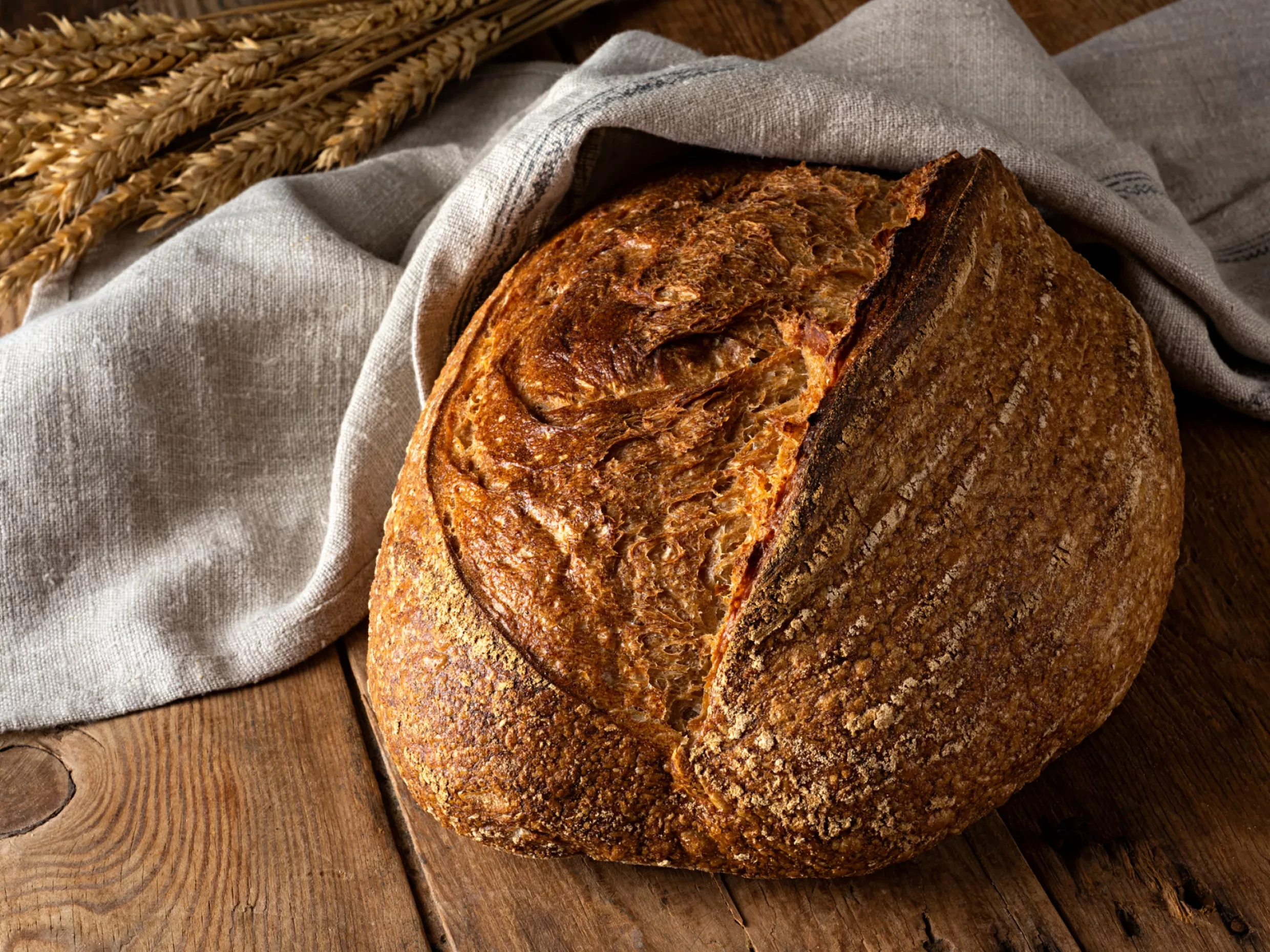
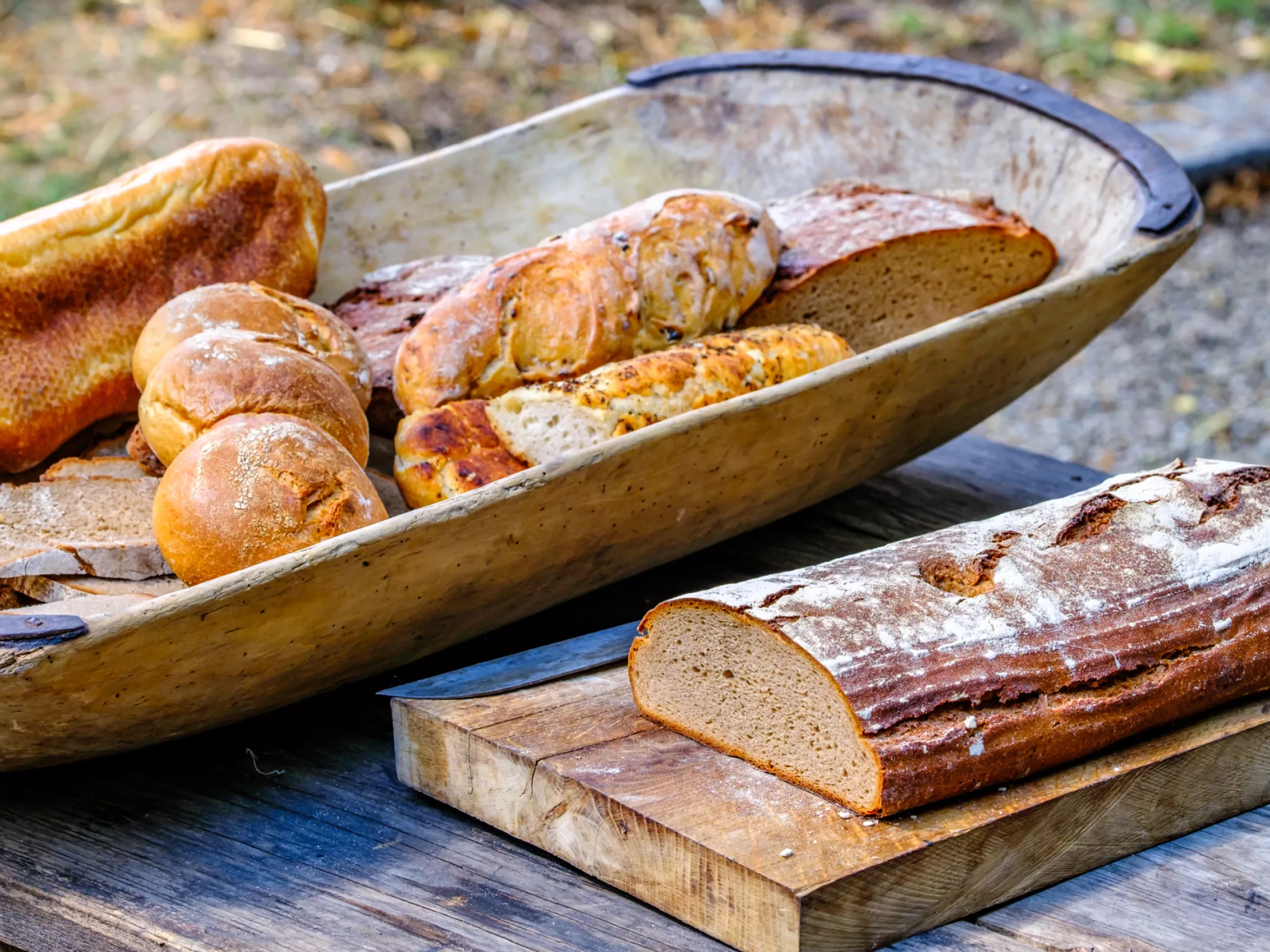
By today’s standards, early Easter meals were pretty modest. The table featured the foods most freshly available in spring - roasted lamb for those who could afford it, eggs, and bread baked with newly churned butter or fresh milk. In the eastern Mediterranean, sweetened loaves and spiced grain puddings were common. In Western Europe, herbs, cheese, and early vegetables graced the table.
Lamb Takes the Spotlight
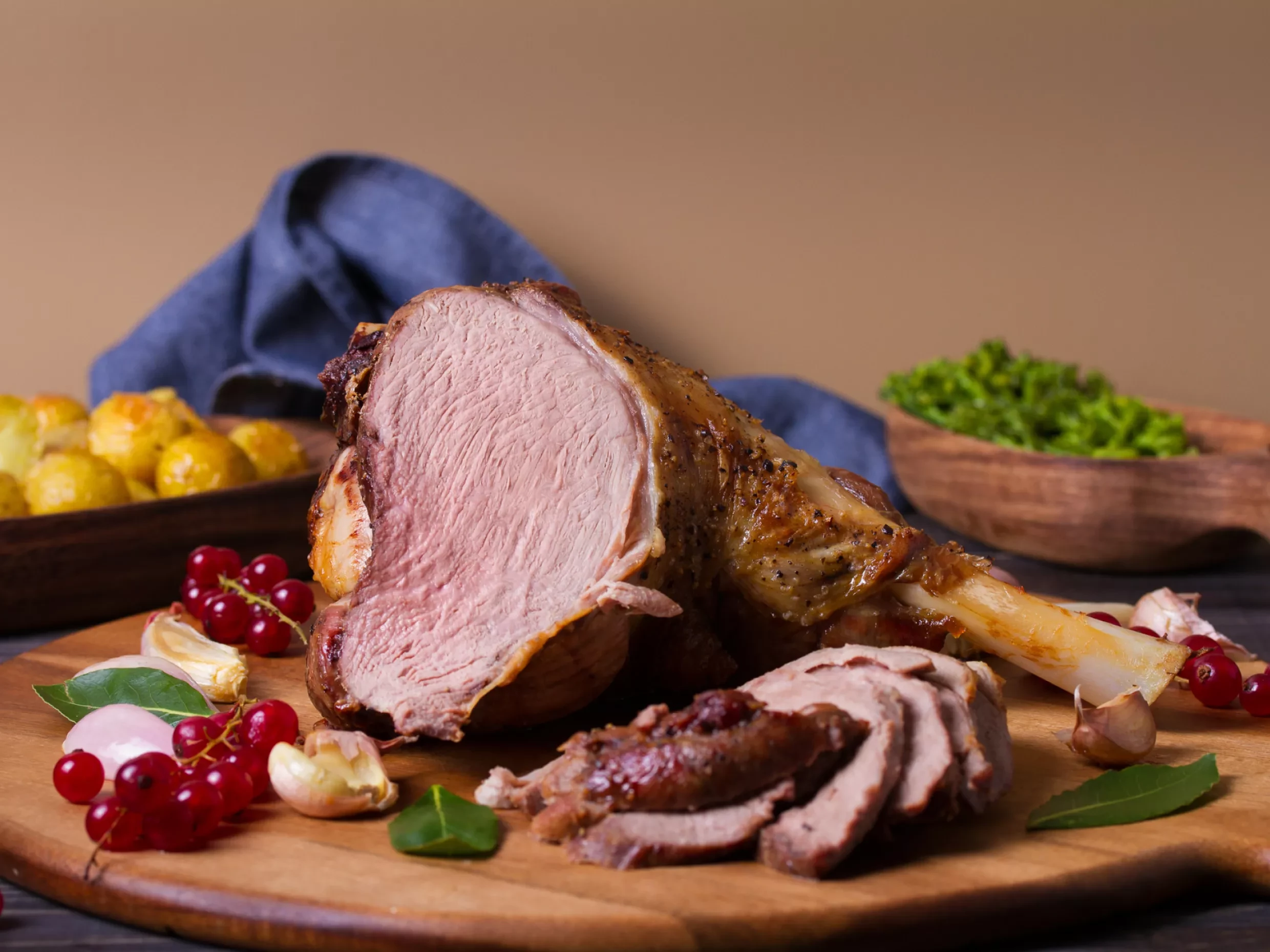
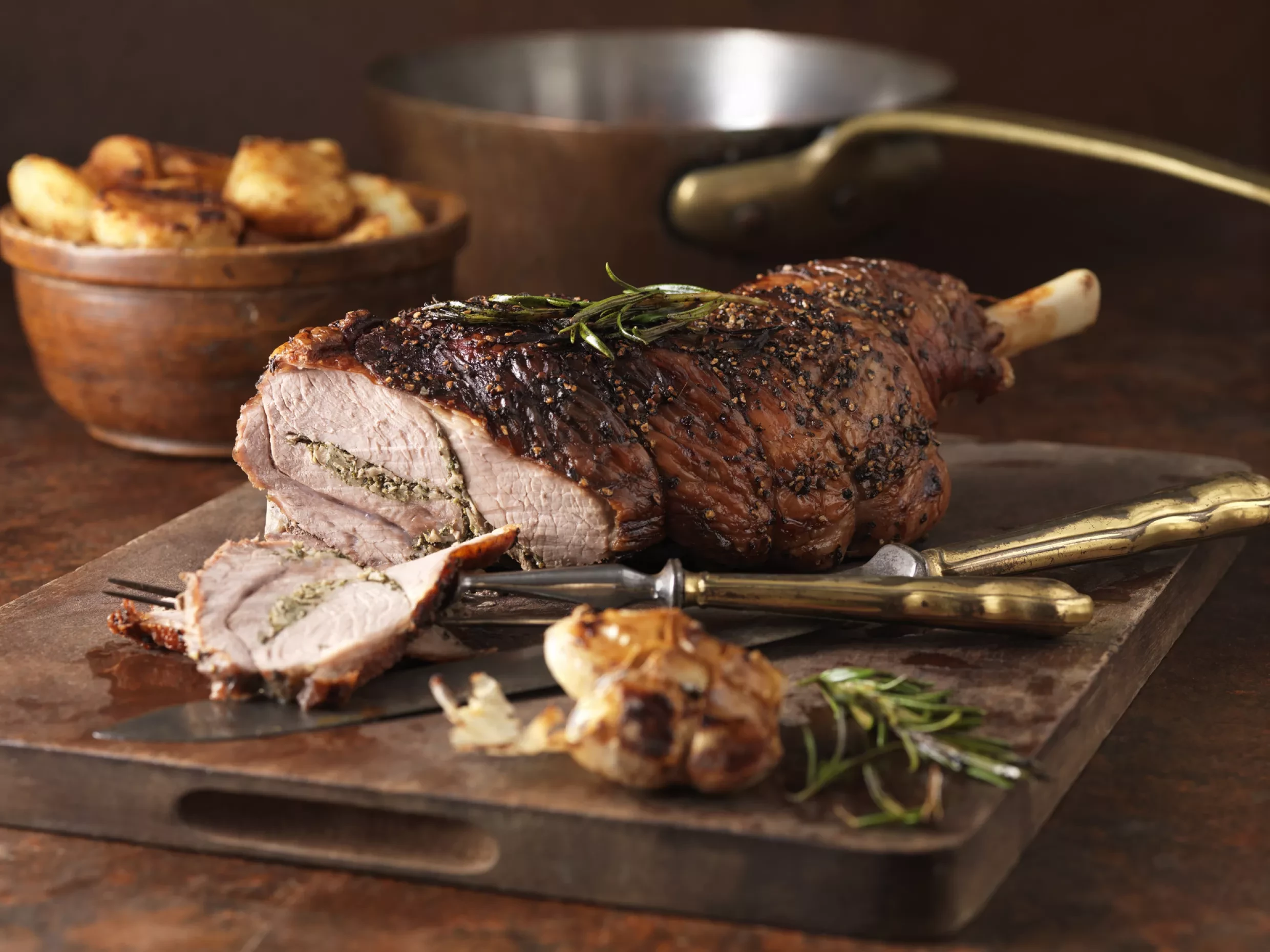
By the Middle Ages, lamb - practical and symbolic - had secured its place at the Easter dinner table. In times past, spring lamb was one of the few fresh meats available after winter, and its connection to the Jewish Passover meal also remained, where lamb symbolised deliverance and renewal.
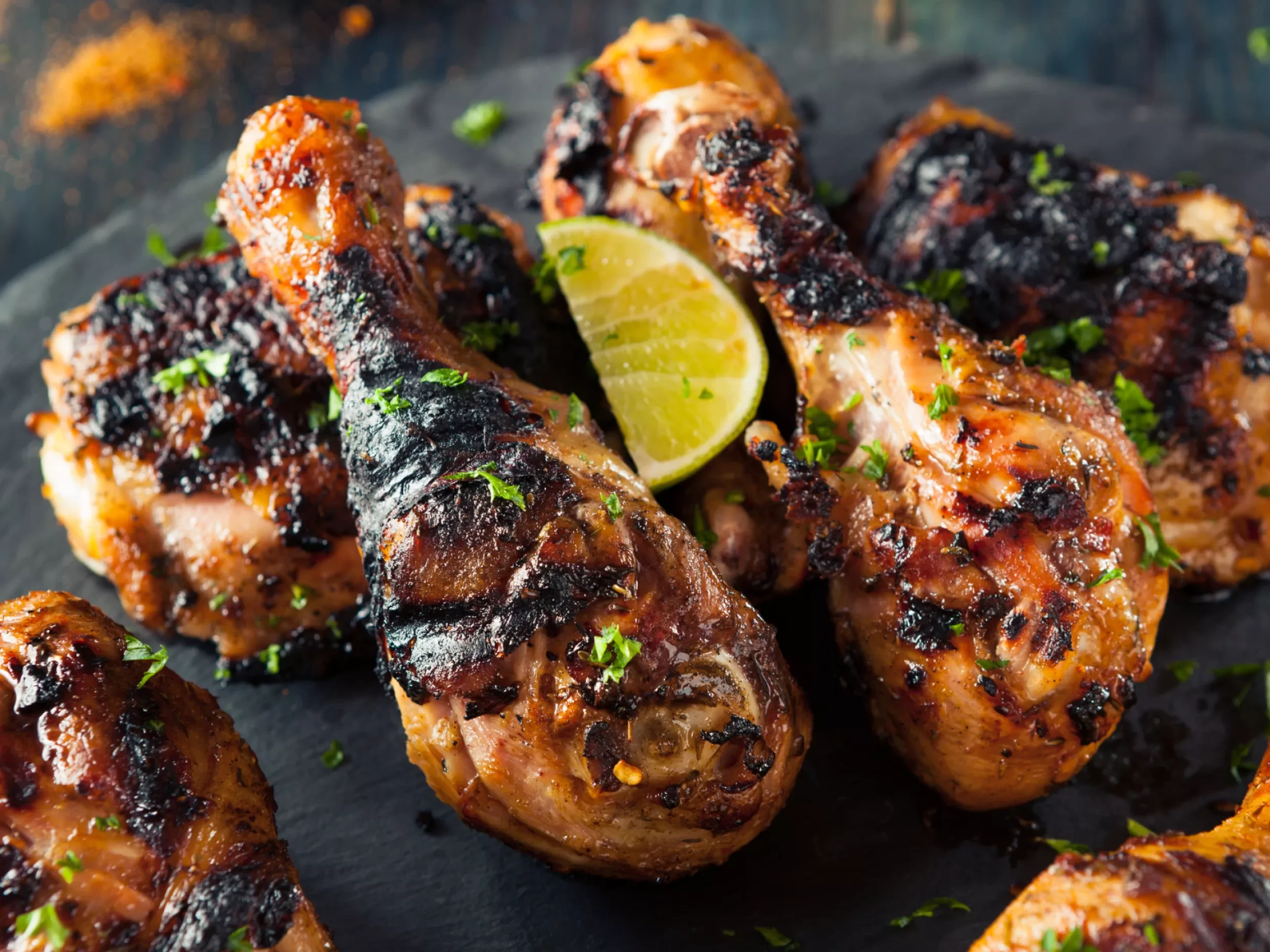
Across Europe, cooks prepared lamb in ways that reflected local tastes. In the Mediterranean, it was brushed with olive oil, garlic, and herbs, then slowly roasted over an open fire. In northern regions, it might be baked in enclosed hearths and seasoned with seasonal herbs like rosemary or mint.
Loaves, Cakes & Sweet Traditions
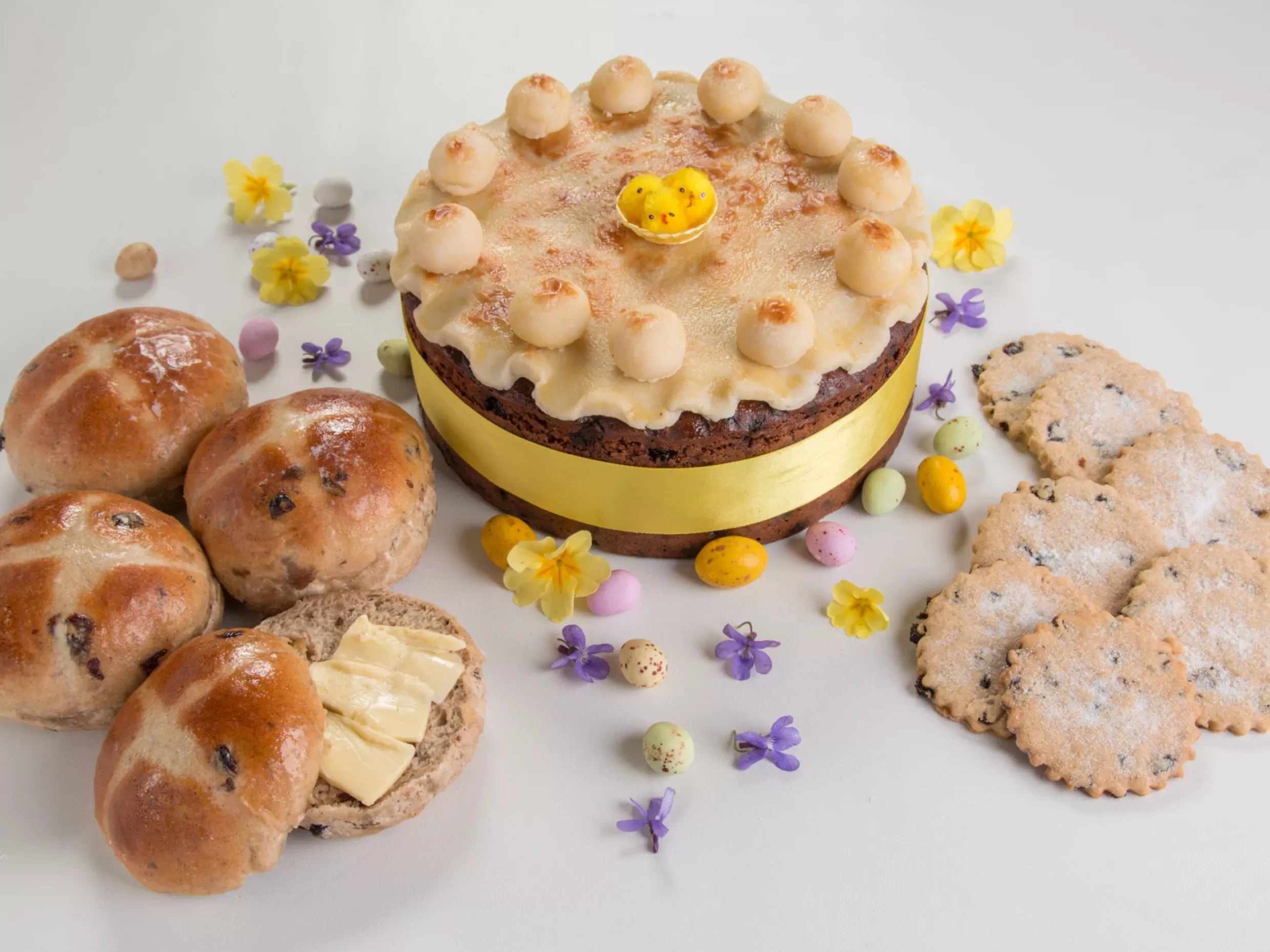
While lamb anchored the Easter meal, the table was never complete without a sweet bread or a cake. In Italy, the Colomba di Pasqua (literally, Easter dove) took shape as a bird, with its soft, egg-enriched dough scented with citrus and almonds. In Greece, tsoureki is a sweet, plaited bread with a red egg woven into the braid, and in Britain the rich fruit cake known as a simnel cake is decorated with eleven marzipan balls to represent the apostles (minus Judas).
All these Easter dishes, and dozens more like them, share a sense of return. Butter and eggs back in the kitchen, spice boxes reopened, sweetness restored. Each Easter dish has its own story to tell but they all say much the same thing - that it’s time to celebrate again after Lent.
A Sunday Spread: The Modern Easter Meal
By the nineteenth century, Easter had become as much a household celebration as a holy day. The shift from feasts to family tables reflected changes in food production and domestic life. Industrial advances meant ingredients once limited by cost, season or region - imported spices, preserved fruits, refined sugar - were suddenly within reach, and more affordable. Cookbooks and newspapers began publishing suggested ‘Easter dinners,’ bringing a more standardised idea of a traditional Easter meal to the table.
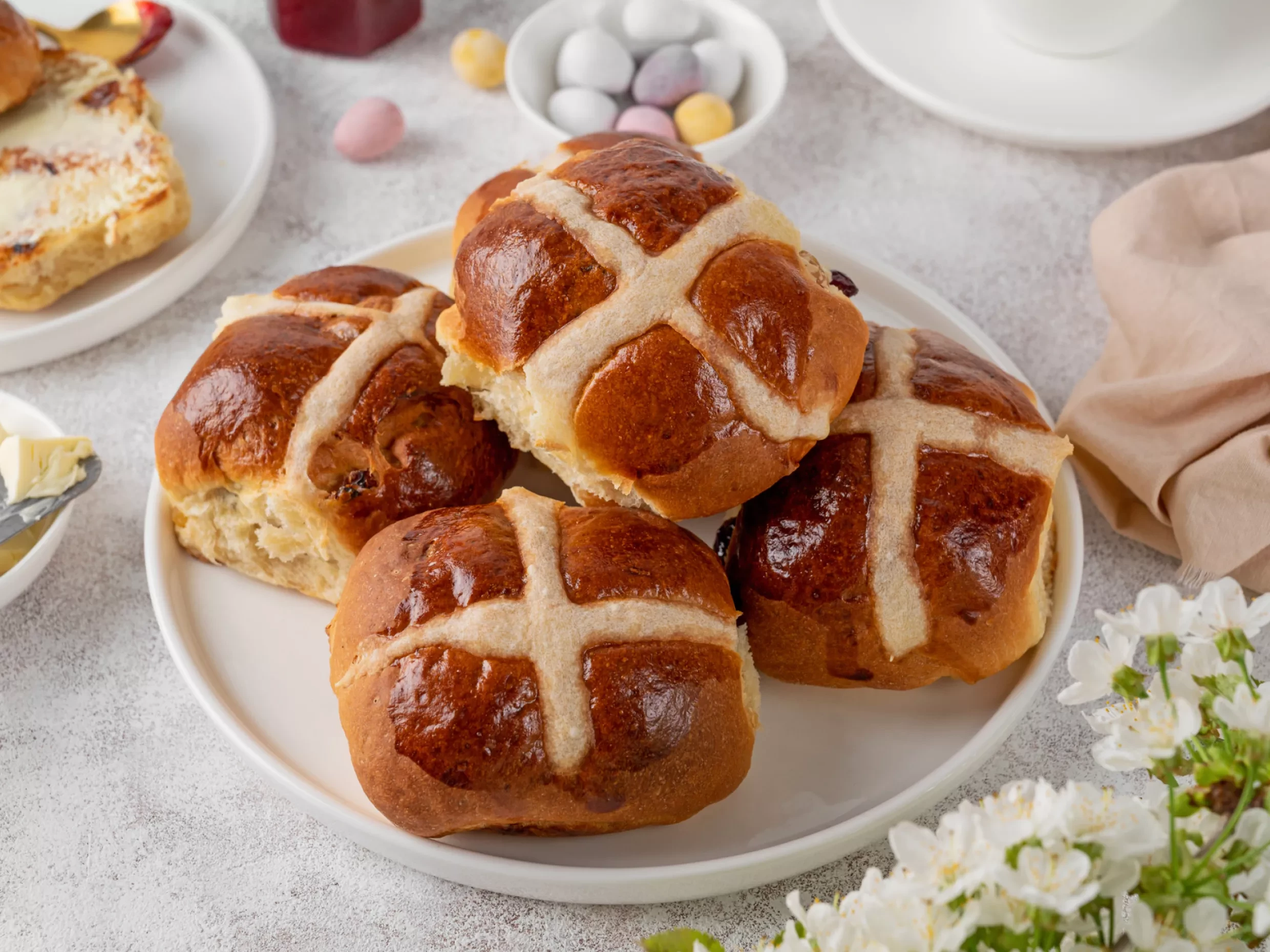
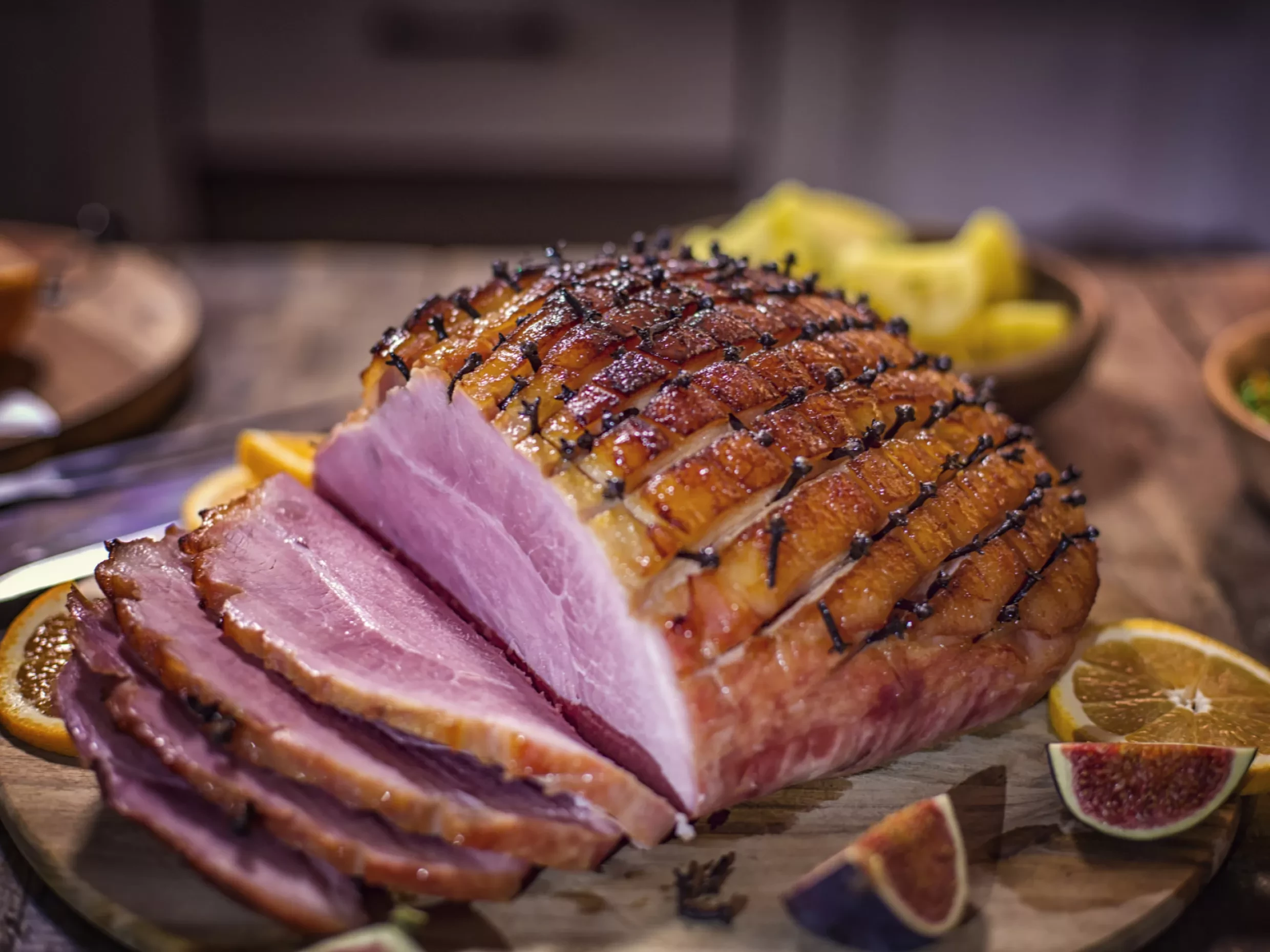
In Britain, roast lamb held its place, joined by mint sauce, roast potatoes and vegetables. Across the Atlantic, ham became the centrepiece for many American families, often glazed with brown sugar or honey. Simnel cake, hot cross buns, and custard tarts rounded out the table, giving Easter Sunday its familiar balance of savoury and sweet.
The Easter Feast Today: New Twists on Tradition
Today’s Easter meal carries the weight of centuries, but like everything, it continues to evolve with every generation. The core ingredients remain - lamb, eggs, bread and sweet baking - but some of the ways in which they’re prepared would shock eighteenth century cooks!
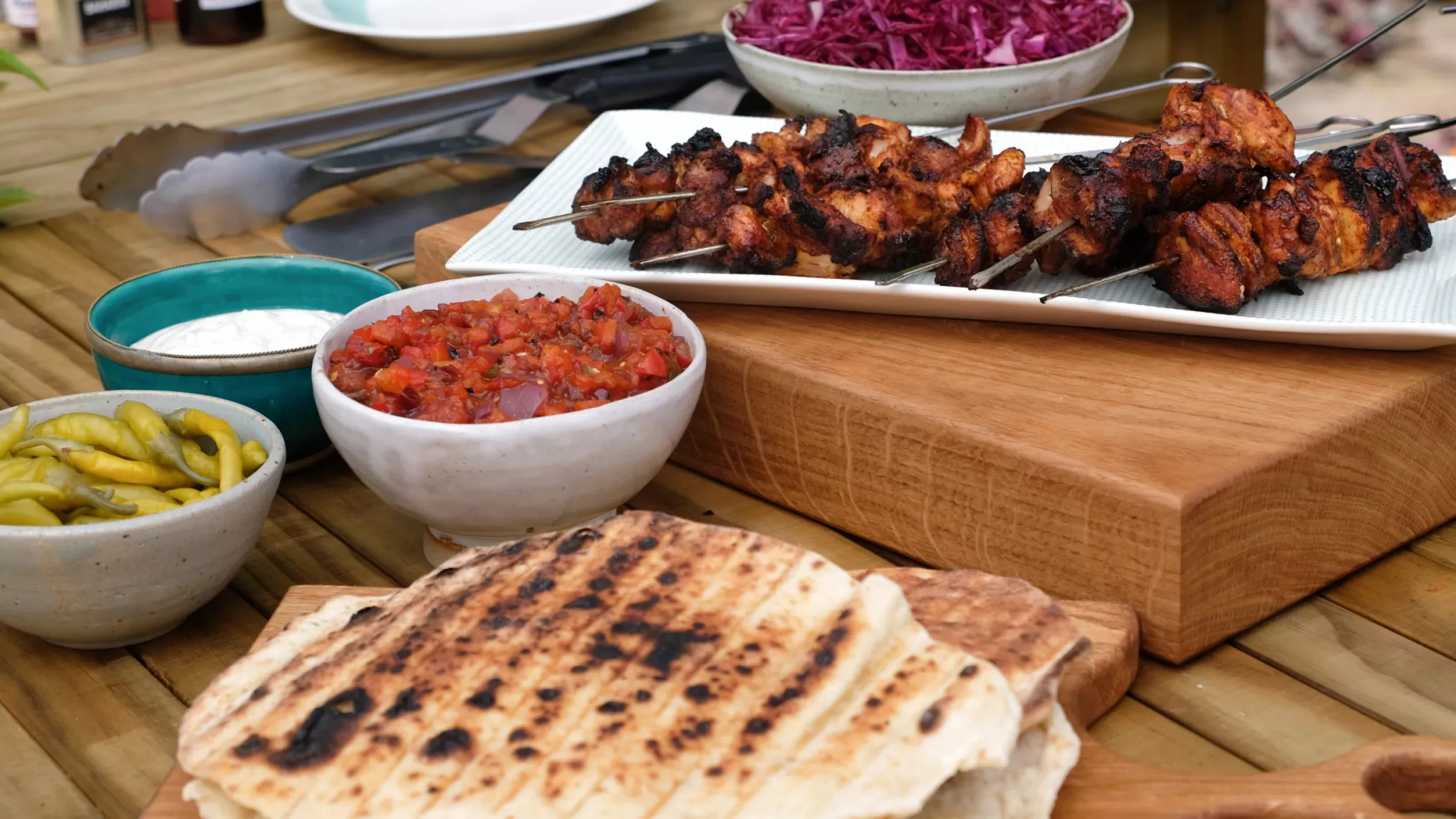
Some stay true to family recipes - lamb roasted with rosemary, simnel cake rich with fruit, or hot cross buns served warm from the oven. Others reinvent tradition with lighter, greener, or global twists - lamb folded into Middle Eastern flatbreads, vegan loaves made with olive oil and citrus, or Easter desserts bright with tropical fruit.
But across countries, cultures and continents, and whether it’s a single shared dish or an elaborate Sunday spread, Easter still invites people to cook, gather, and celebrate together.