

Set in the heart of Emilia-Romagna, Bologna is a city where recipes are as precious as tradition. From the arcaded markets of the Quadrilatero to the terracotta courtyards and family kitchens, Bologna is known as Italy’s belly and there’s a very good reason why.
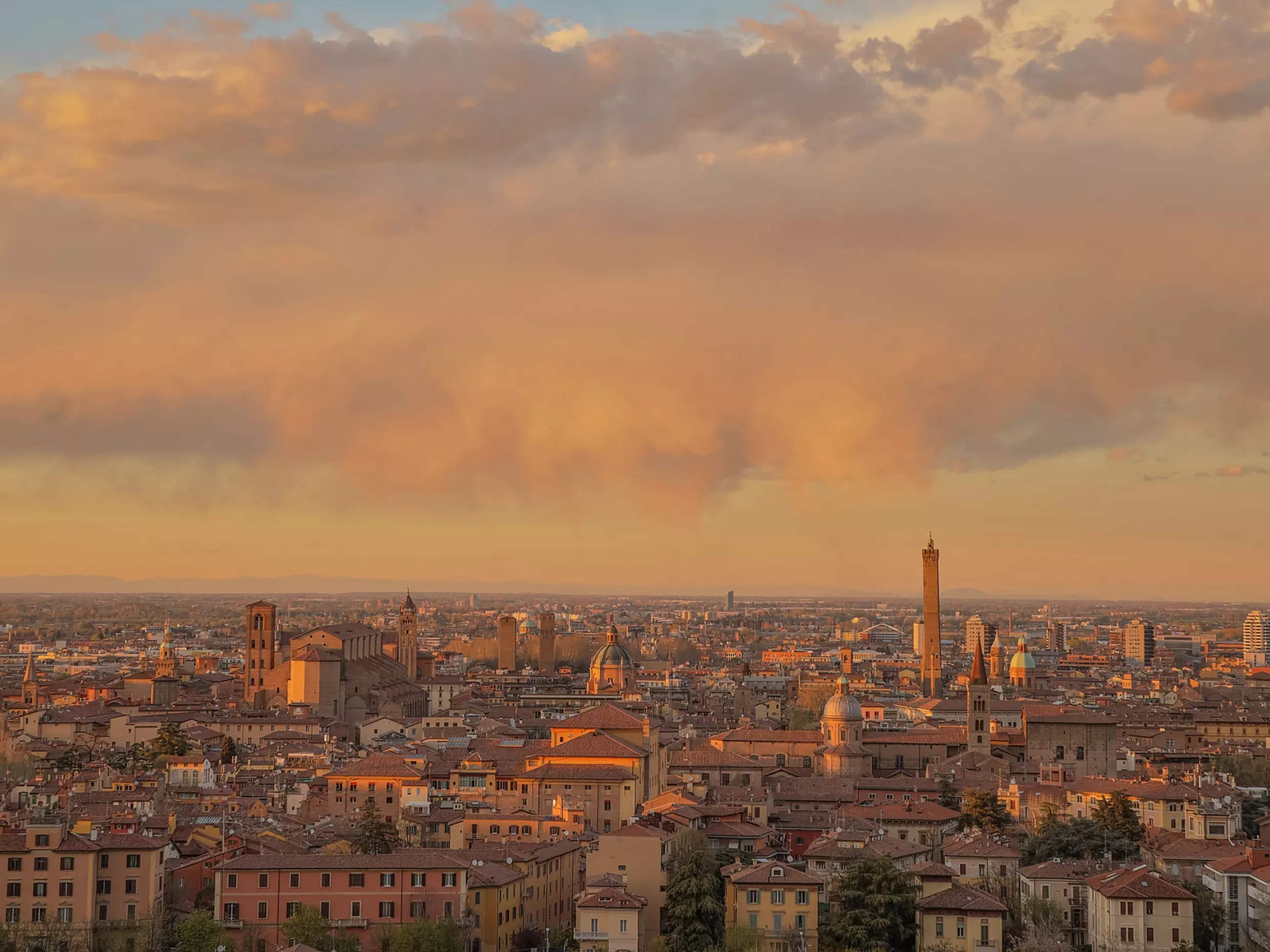
The Learned Heart of Italy
Long before it became famous for ragù and tortellini, Bologna was a place of steeped in history. Inhabited by the Etruscans and flourishing under Rome, the city rose in the Middle Ages as a crossroads where scholars, merchants, and craftsmen came together. Its university, which started teaching around 1088 is believed to be the oldest in Europe, and drew thinkers from all over the continent.
But as well as being an academic city, it was also a working one. Surrounded by some of Italy’s richest and most fertile farmland, it became the centre of a region devoted to good living and hearty food. Recipes, refined and perfected over generations, were passed down through families, and it was this combination of brain and brawn that turned Bologna into Italy’s food capital. The city even has a nickname - La Grassa, or The Fat One, due to its rich foodie traditions. But where did this obsession with OTT dining begin?
The Birth of a Culinary Powerhouse
Bologna’s style of cookery began to take shape in the Middle Ages, when its growing prosperity turned dining into something of an art form. The city’s thriving trade routes brought wheat from the Po Valley, cheeses from the Apennines, and cured meats from the nearby plains. These ingredients would become cornerstones of the Bolognese table.
By the Renaissance, Bolognese recipes were recorded in manuscripts influenced by the scholarly culture around them, combining precision with a sense of experimentation. The city’s cooks were not aristocratic chefs but skilled artisans - shaping pasta by hand, tending slow-simmered ragù in heavy copper pots. Their methods were perfected over centuries but would still be recognised today.
The Cradle of Italian Comfort Food
By the seventeenth and eighteenth centuries, Bologna’s reputation as a city of exceptional eating was firmly established. While other Italian centres such as Florence and Milan chased royal courts or artistic revolutions, Bologna built its identity around the kitchen table. Food here wasn’t a display of wealth or social status, it was made to be eaten. Pure and simple.
Bolognese dishes were rich but balanced, designed to satisfy rather than show off. In this sense, Bologna laid the foundation for what we now recognise as Italian comfort food - dishes like lasagne verde and tagliatelle alla ragù. While French and Florentine cuisines evolved around nobility and display, Bologna’s remained deeply tied to everyday life.
Bolognese Cookery
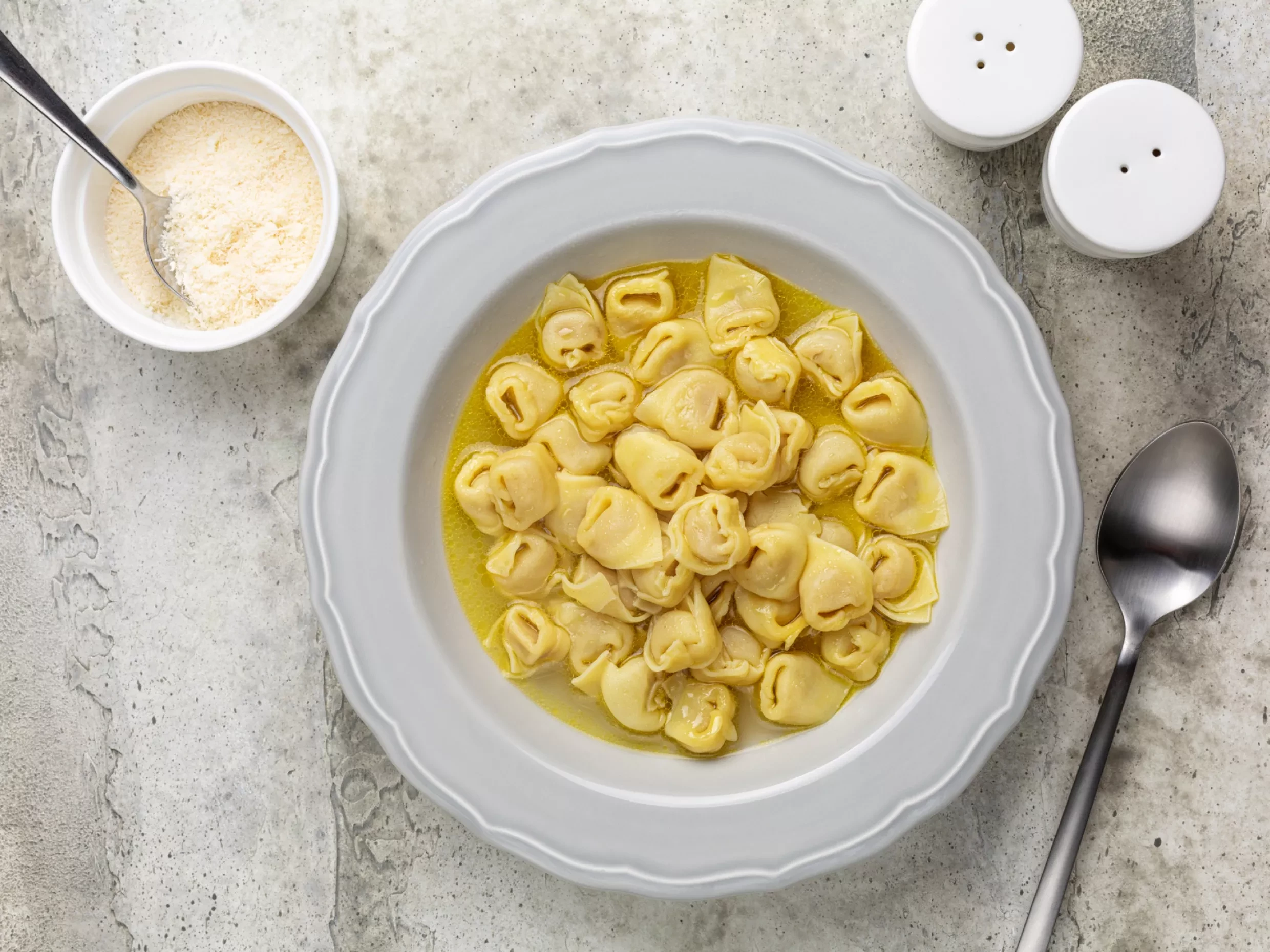
Bolognese dishes are slow by design. Ragù alla Bolognese, perhaps the city’s most famous fare, evolved from medieval meat stews into a carefully balanced sauce. And such is its importance to the city, an officially deposited benchmark recipe is held by the Italian Academy of Cuisine. The same careful and exacting approach also applies to tortellini, filled with pork, prosciutto, and Parmigiano-Reggiano, served only in broth as tradition dictates.
The Icons of La Grassa
Bologna has become well-known the world over for a number of its iconic dishes, so much so in fact that the food’s often become better known than the place itself - here’s a few of the city’s most famous fare.
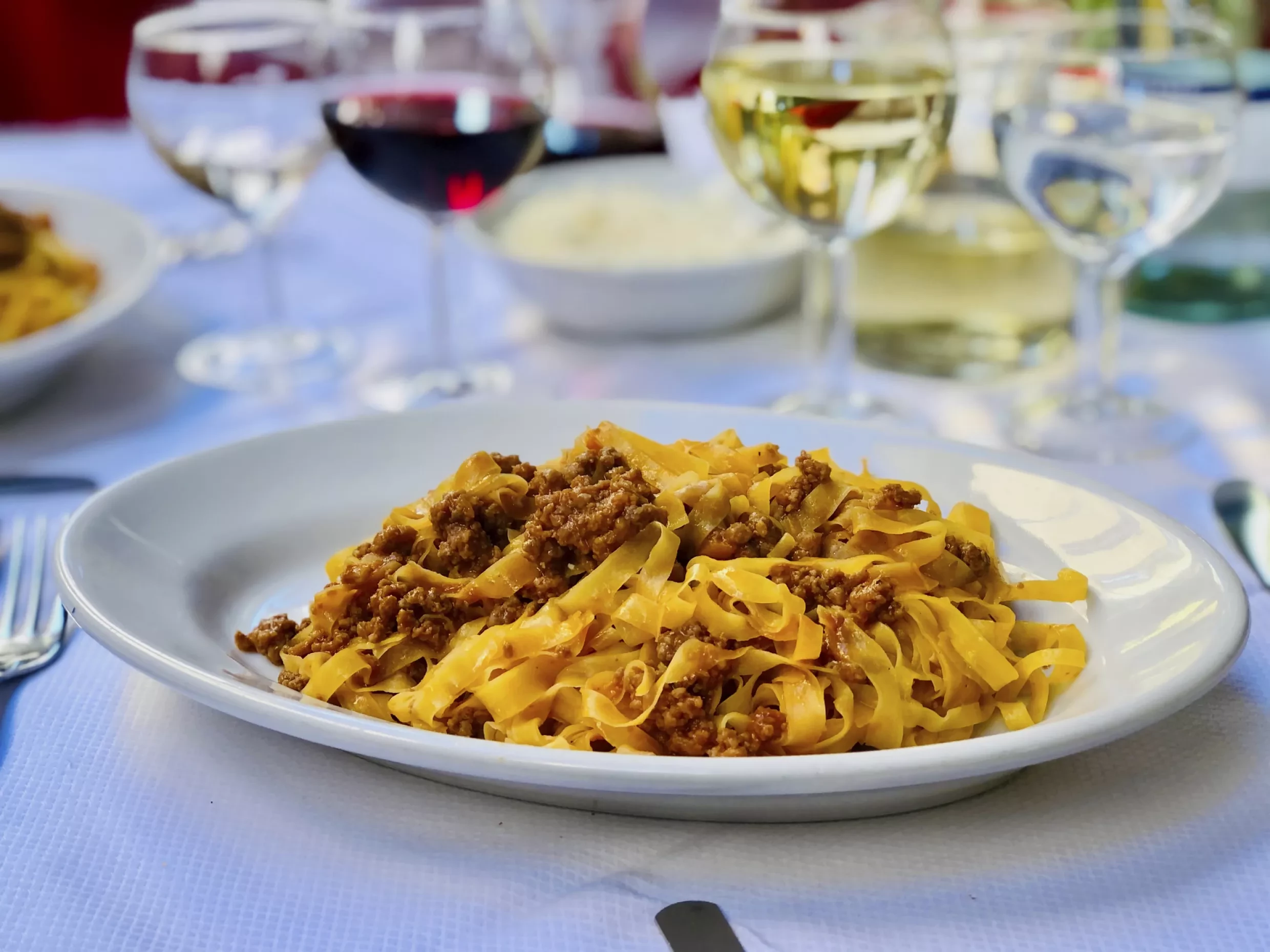
Tagliatelle al Ragù
One of the world’s most iconic dishes, it consists of long ribbons of fresh egg pasta, always hand-cut to 7mm raw, and 8mm cooked, served with a slow-cooked meat sauce of finely minced beef or pork, carrots, celery, onion, tomato, and wine.
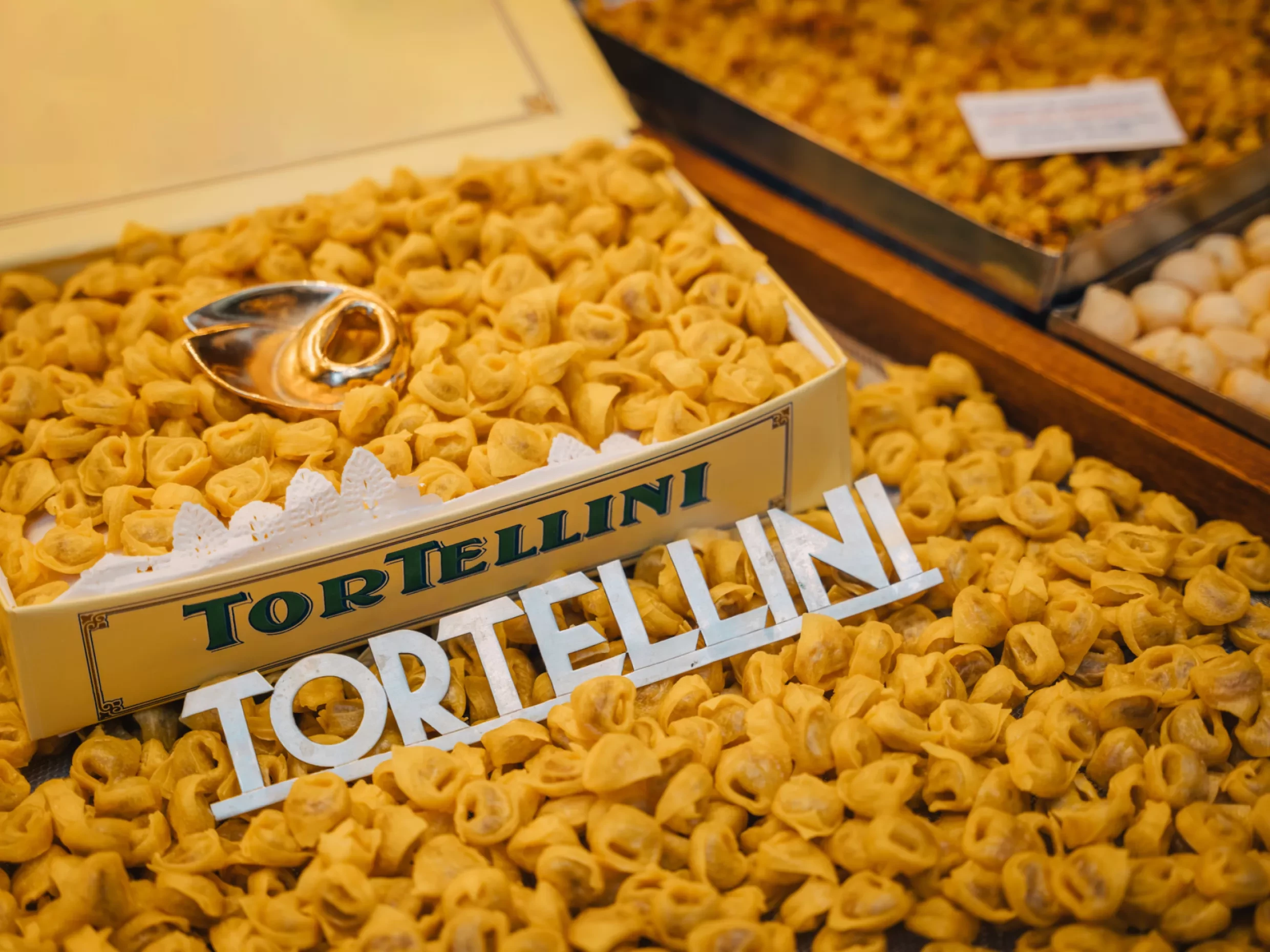
Tortellini in Brodo
Small, intricately folded pasta said to be modelled on Venus’s navel. They’re filled with pork loin, prosciutto, mortadella, Parmigiano-Reggiano, and nutmeg, and are traditionally served only in rich capon or beef broth - rarely with cream or sauce.
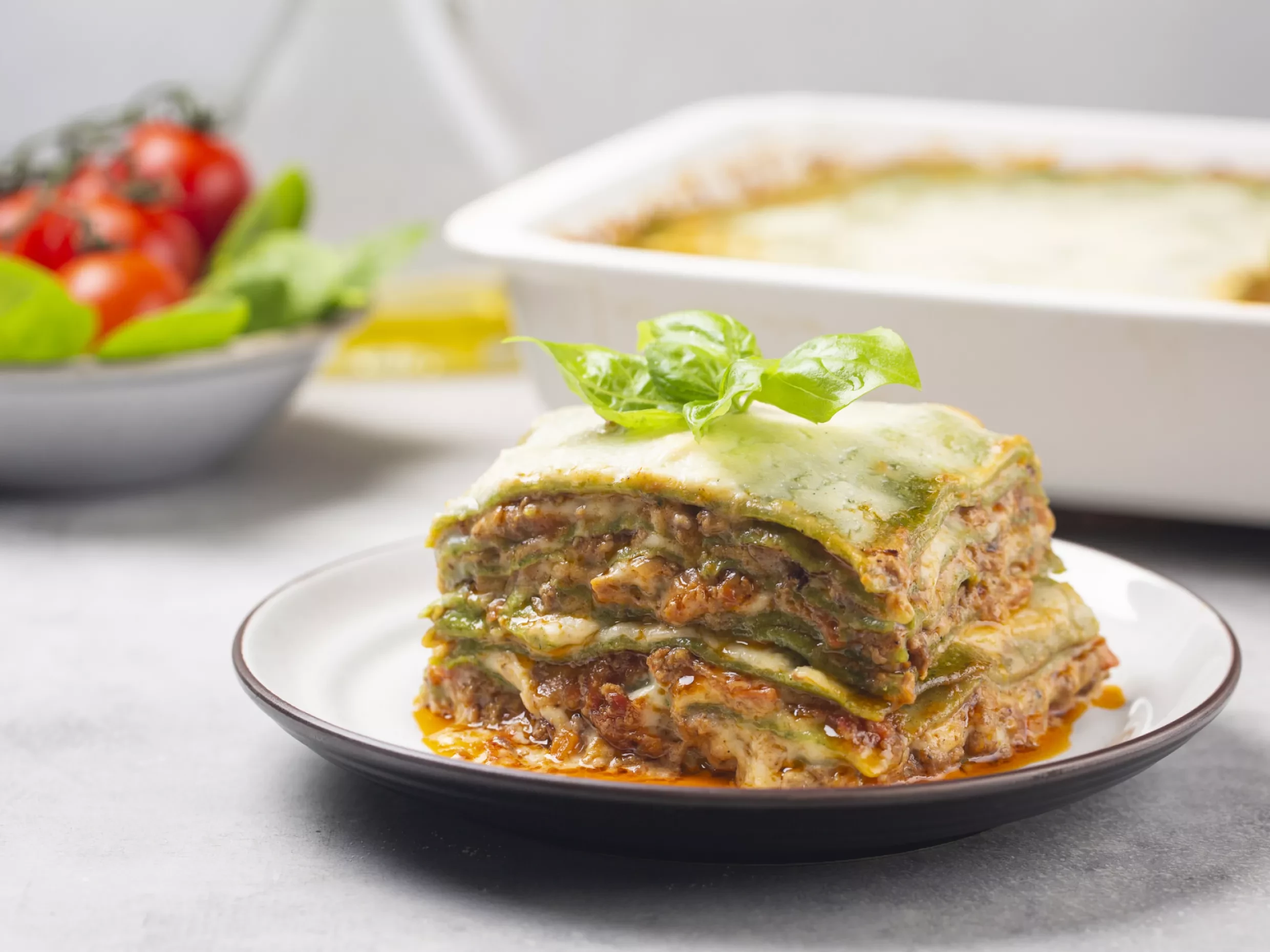
Lasagne Verdi alla Bolognese
A layered oven-baked dish made with spinach-coloured pasta sheets, ragù alla Bolognese, creamy béchamel, and Parmigiano-Reggiano.
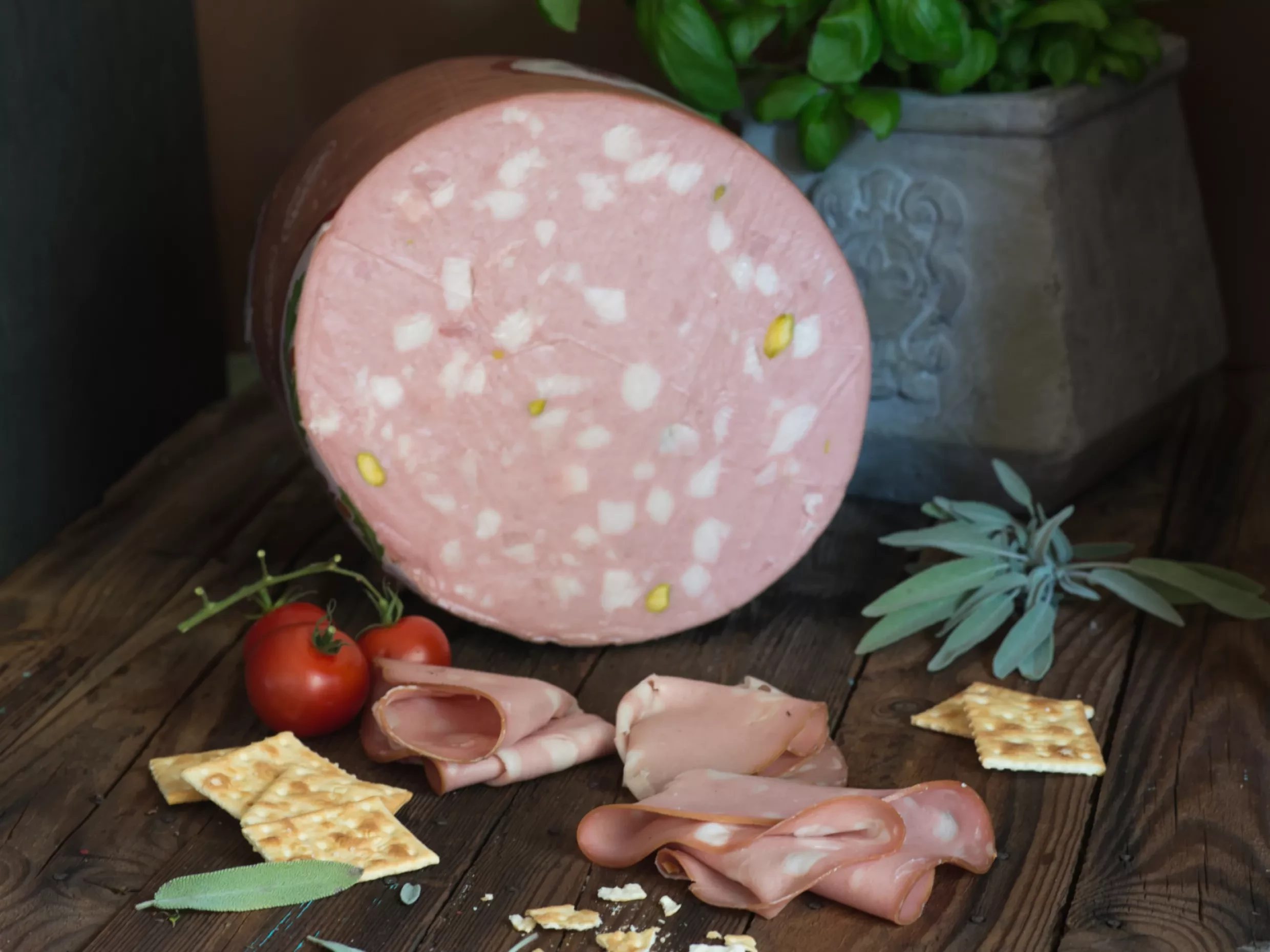
Mortadella di Bologna
The city’s most famous cold cut, known worldwide yet tightly regulated by the official Protected Geographical Indication (PGI). Made from finely ground pork flavoured with peppercorns and pistachios, mortadella was once traded across Europe as a luxury product.
Cotoletta alla Bolognese
This is a veal or pork cutlet dipped in egg and breadcrumbs, pan-fried in butter, then layered with prosciutto and Parmigiano-Reggiano. It’s said to predate the Milanese version although it’s an intercity debate that shows no sign of ending!
Each of these dishes captures Bologna’s most iconic recipes, however…
There’s No Such Thing as Spaghetti Bolognese
It’s a global phenomenon, beloved all over the world in one guise or another, but ask for spaghetti bolognese in Bologna and you’ll earn a polite smile - and perhaps a gentle correction. It simply doesn’t exist there.
In Bologna, ragù alla Bolognese is never paired with spaghetti, whose thin strands can’t hold the sauce’s slow-cooked depth. Instead, it’s served with flat, fresh egg pasta like tagliatelle, whose broad surface gets smothered with the sensational sauce.
The pairing reflects a rule as old as the city’s culinary logic itself, where shape must suit sauce. So while spaghetti bolognese remains an international comfort food, in Bologna it’s more myth than meal - a delicious masterpiece of misunderstanding!
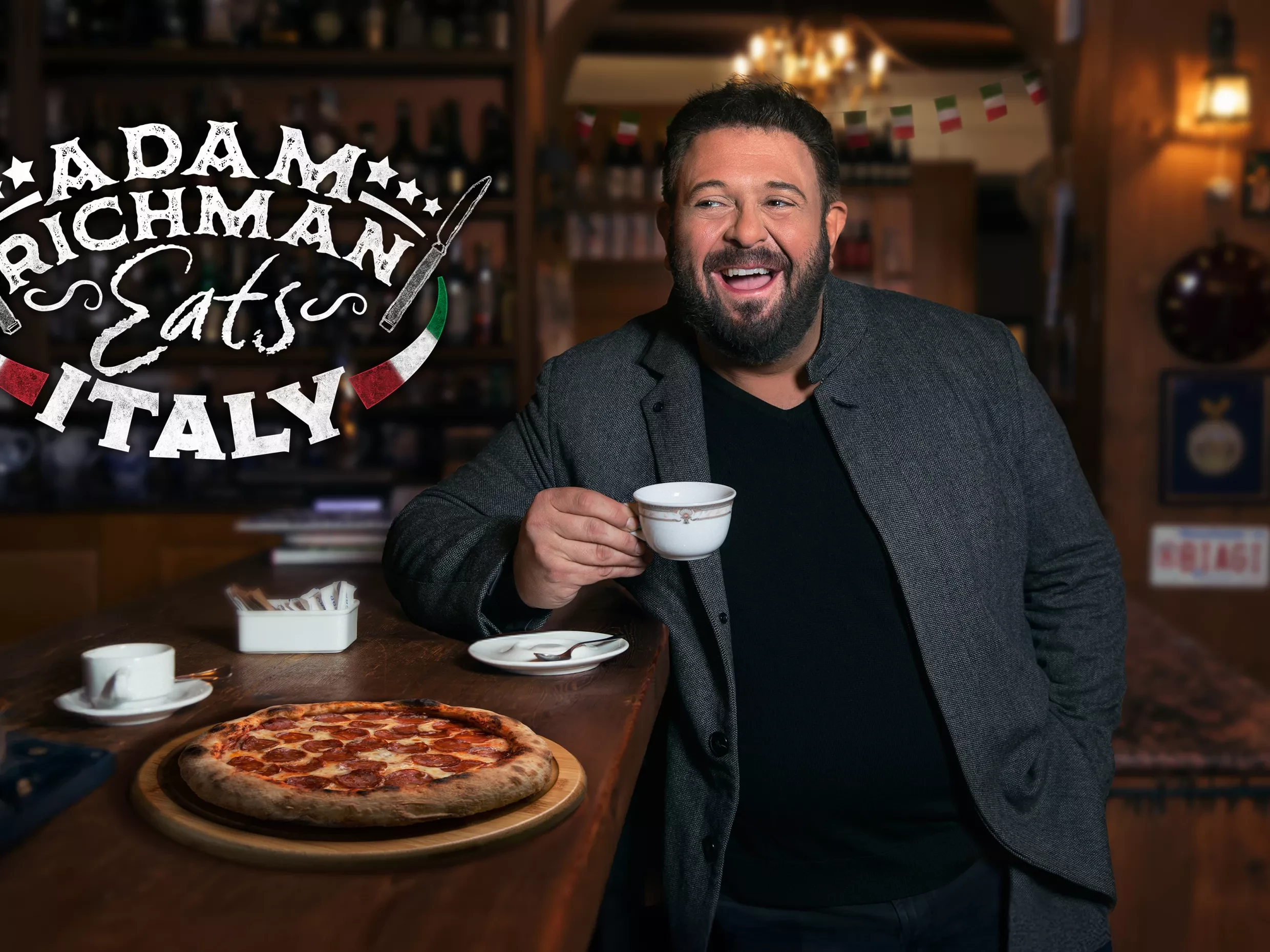
Watch Adam Richman Eats Italy On Discovery+
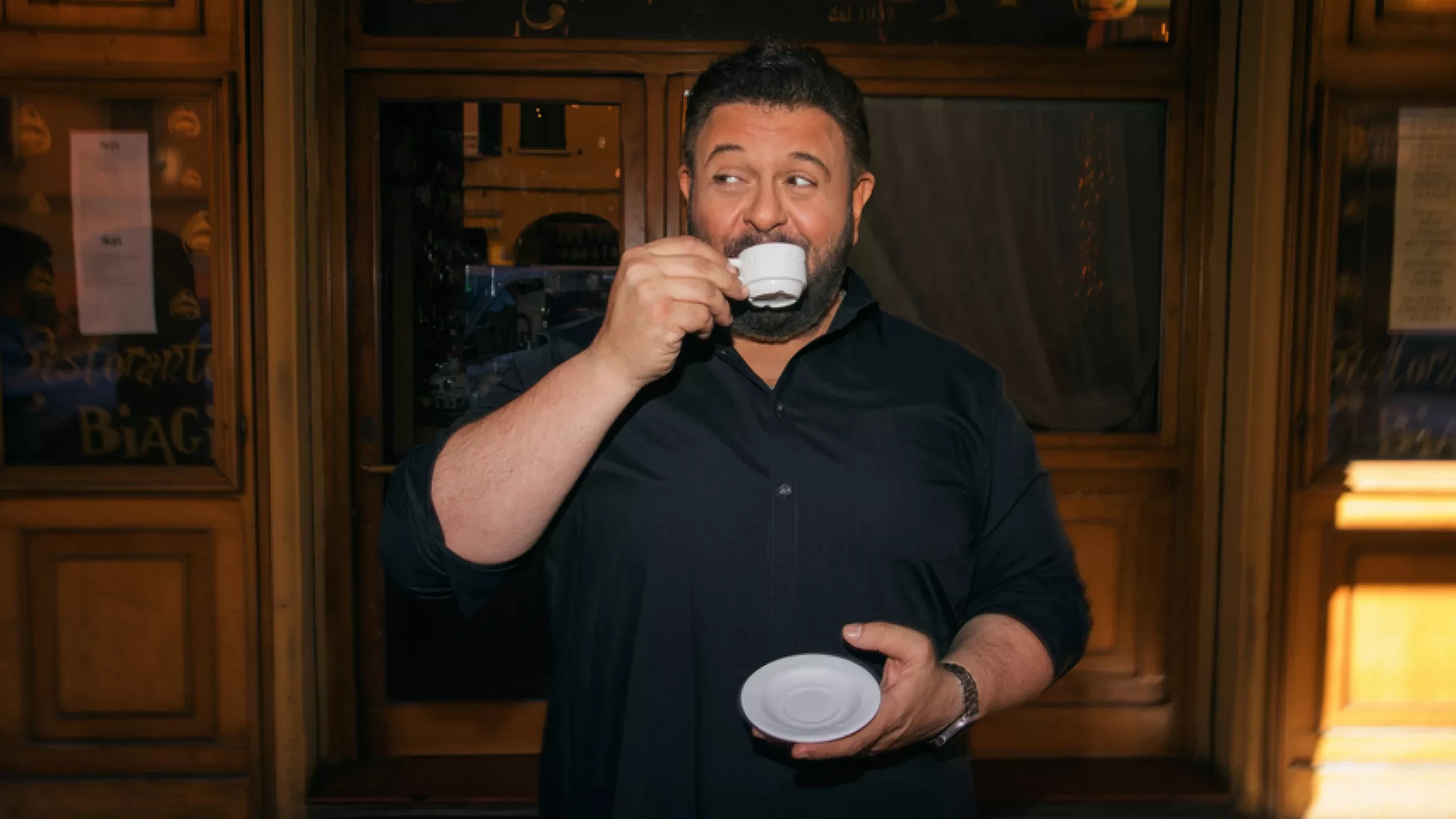
Man vs Food legend Adam Richman’s new show on Discovery+ uses the map as a menu as he embraces Italy’s remarkable relationship with food. In episode seven, Adam is in Bologna to taste the most iconic foods named after this city. He sees Bolognese sauce being made in the most amazing lasagne dish. Plus, he dives into mortadella Bologna, and a sweet made with rice, almonds and lemon.
Watch Adam Richman Eats Italy on discovery+ today!
You can also read an interview with Adam as he discusses his culinary journey through Italy here.