

In Parma, the story of food is inseparable from the city’s history. Set between the Po River and the Apennine foothills, it has long been a meeting place of trade, agriculture, and craftsmanship. Centuries of monastic skill, courtly refinement, and rural tradition shaped a cuisine built on precision. Here, the same discipline that once governed the aristocratic kitchens still guides the production of prosciutto, Parmesan, and pasta - the story of a region that measures greatness by the quality of its food.
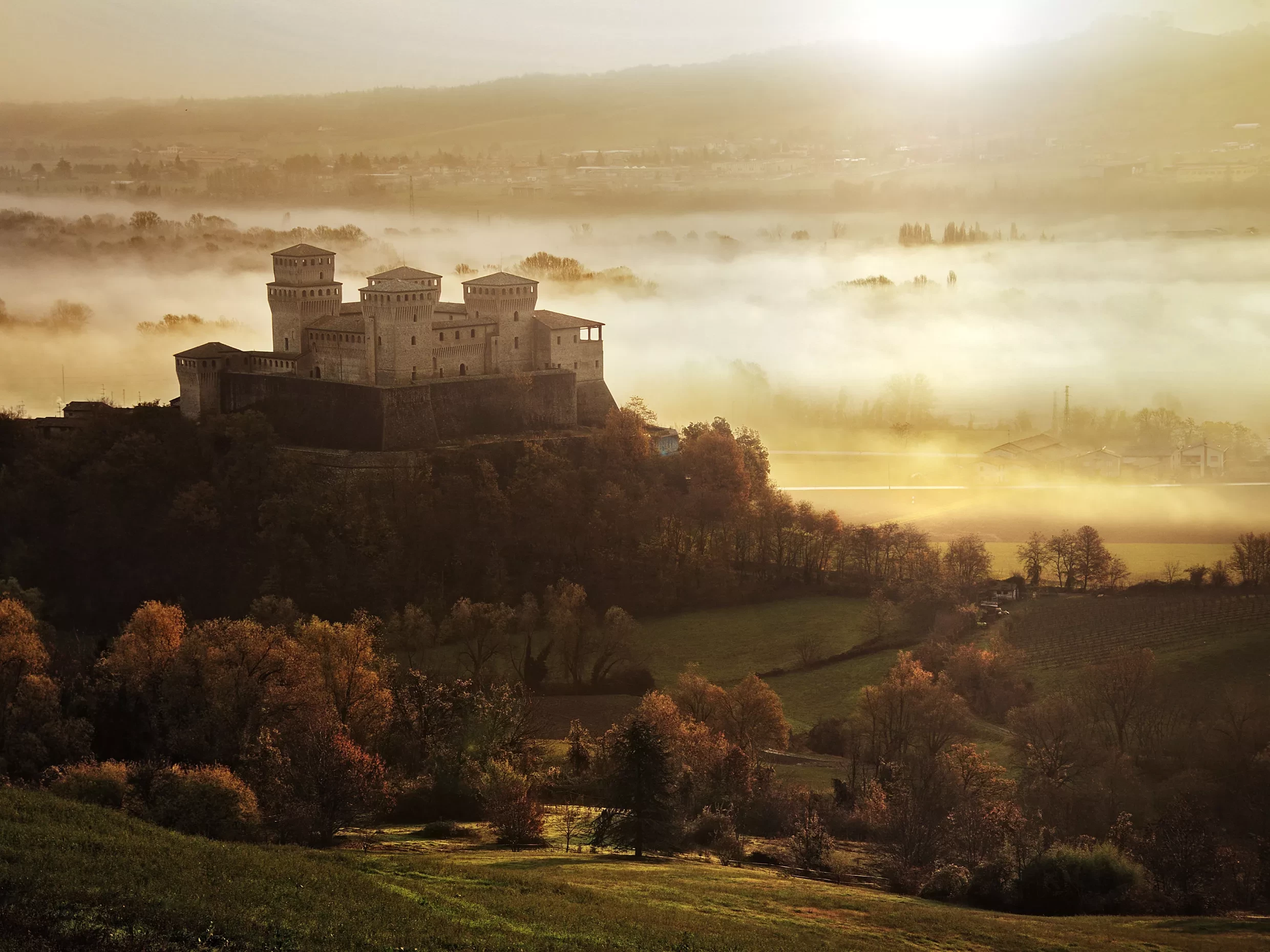
Parma: From the Romans to Rural Refinement
Parma was founded as a Roman colony in 183 BC and grew along the Via Aemilia, the great artery connecting much of northern Italy that stretches from Rimini on the Adriatic coast to Piacenza near the River Po. It flourished as a prosperous provincial town built on fertile land, and through the Middle Ages, monasteries surrounding the city became repositories of agricultural knowledge, developing practices of cheesemaking, meat curing, and land cultivation that defined rural life.
By the mid-sixteenth century, Parma had evolved into a small but refined duchy under the Farnese family, famed for its music, art, and gastronomy. The court’s appetite for elegance encouraged local producers to perfect the foods of the region - hams, cheeses, and pastas.
The Origin of Parma’s Food
Parma’s culinary style began in its fields, pastures, and valleys. The region’s geography - fertile plains fed by the Po River and cool breezes from the Apennines - created perfect conditions for livestock and grain. Over the centuries, these natural advantages fostered a mastery of preservation - hams cured in mountain air, cheeses aged in cellars, and grains transformed into rich broths and pastas. In the Middle Ages, monks refined methods for salting pork and ripening cheese, setting the foundations for products that would become famous the world over.
As city life began to flourish under the Farnese family’s patronage, these rustic techniques were elevated into more refined menus and dishes. Parma’s cooks learned to blend the frugality of the countryside with the sophistication and opulence of the court.
Even the grandest kitchens of medieval Parma saw cooks using the same ingredients found in local homes and farmhouses, namely wheat, pork, and cheese. What emerged was a cuisine of restraint. Over time, this idea became the very definition of Parmesan cookery, where the noble table and the villager's plate shared a common style.
Parma’s Most Famous Creations
Few cities are so perfectly defined by two ingredients as Parma is by its ham and cheese. Both were born of the same ideas - simple foods transformed by time, air, and care.
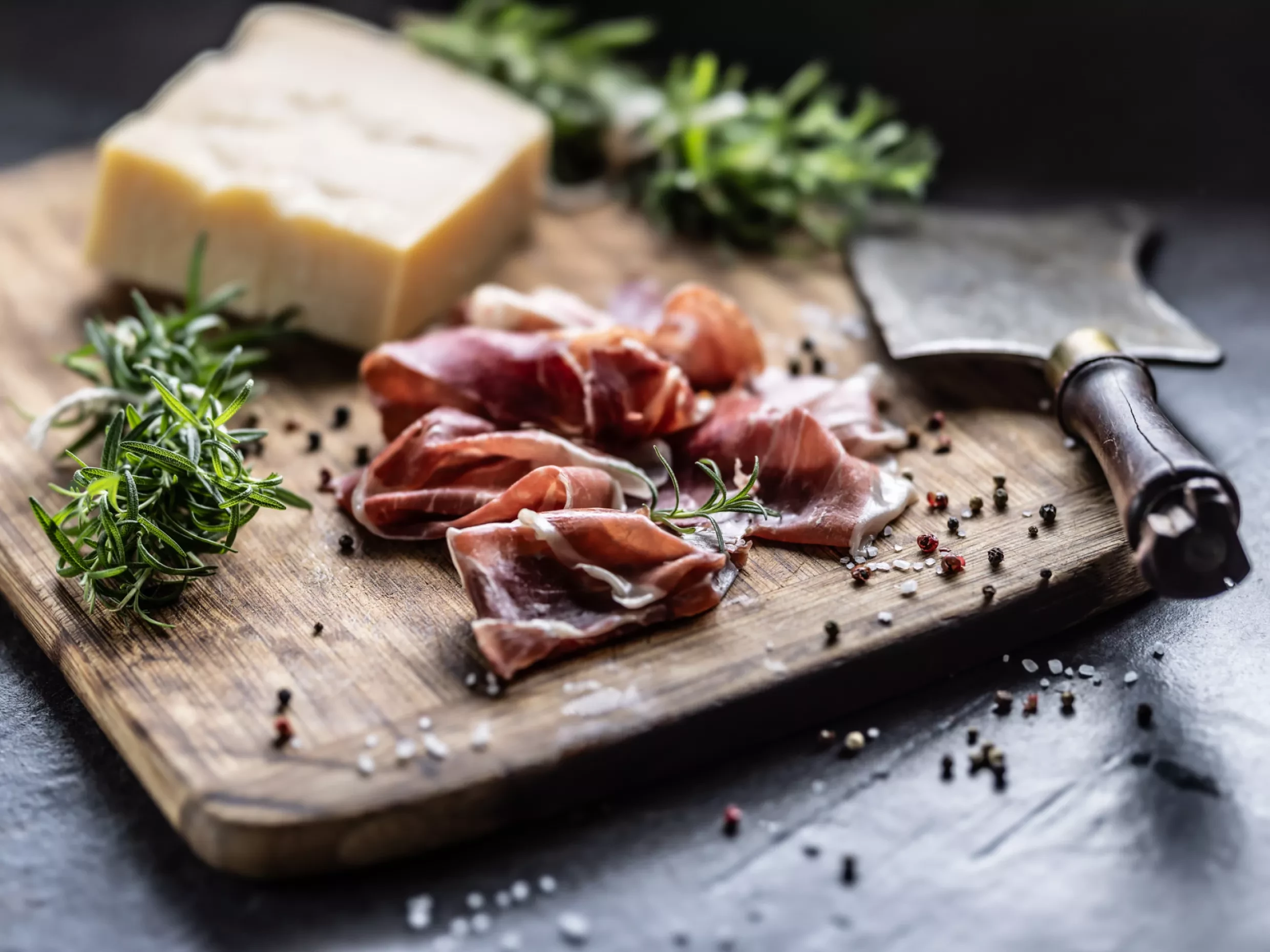
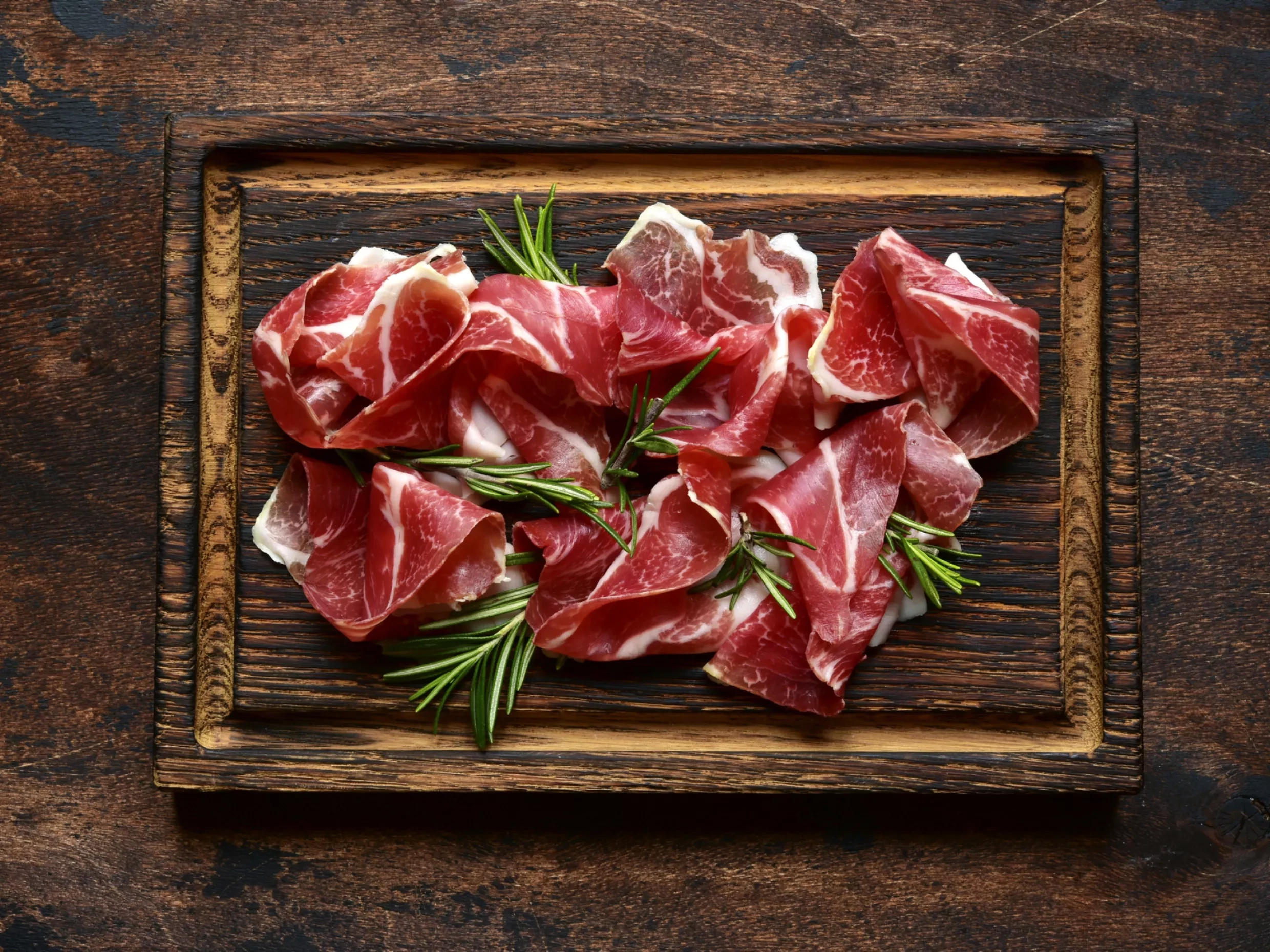
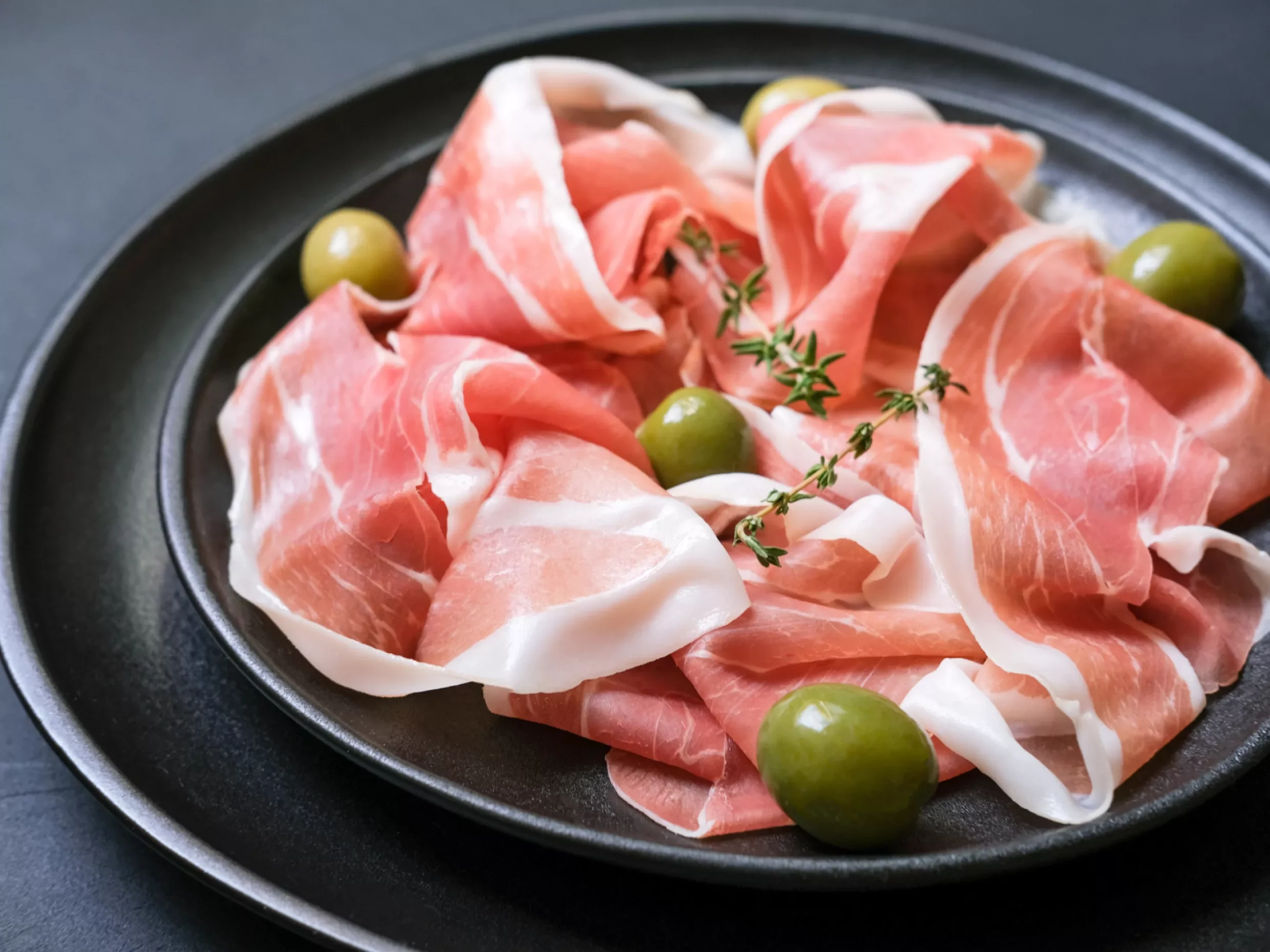
Prosciutto di Parma - known elsewhere as Parma ham - owes its delicate sweetness to the region’s microclimate, where dry Apennine winds and Po Valley humidity create the ideal conditions for slow curing. The tradition is centuries old, perfected by families who learned to balance salt, temperature, and patience to achieve the signature texture and aroma recognised all over the world.
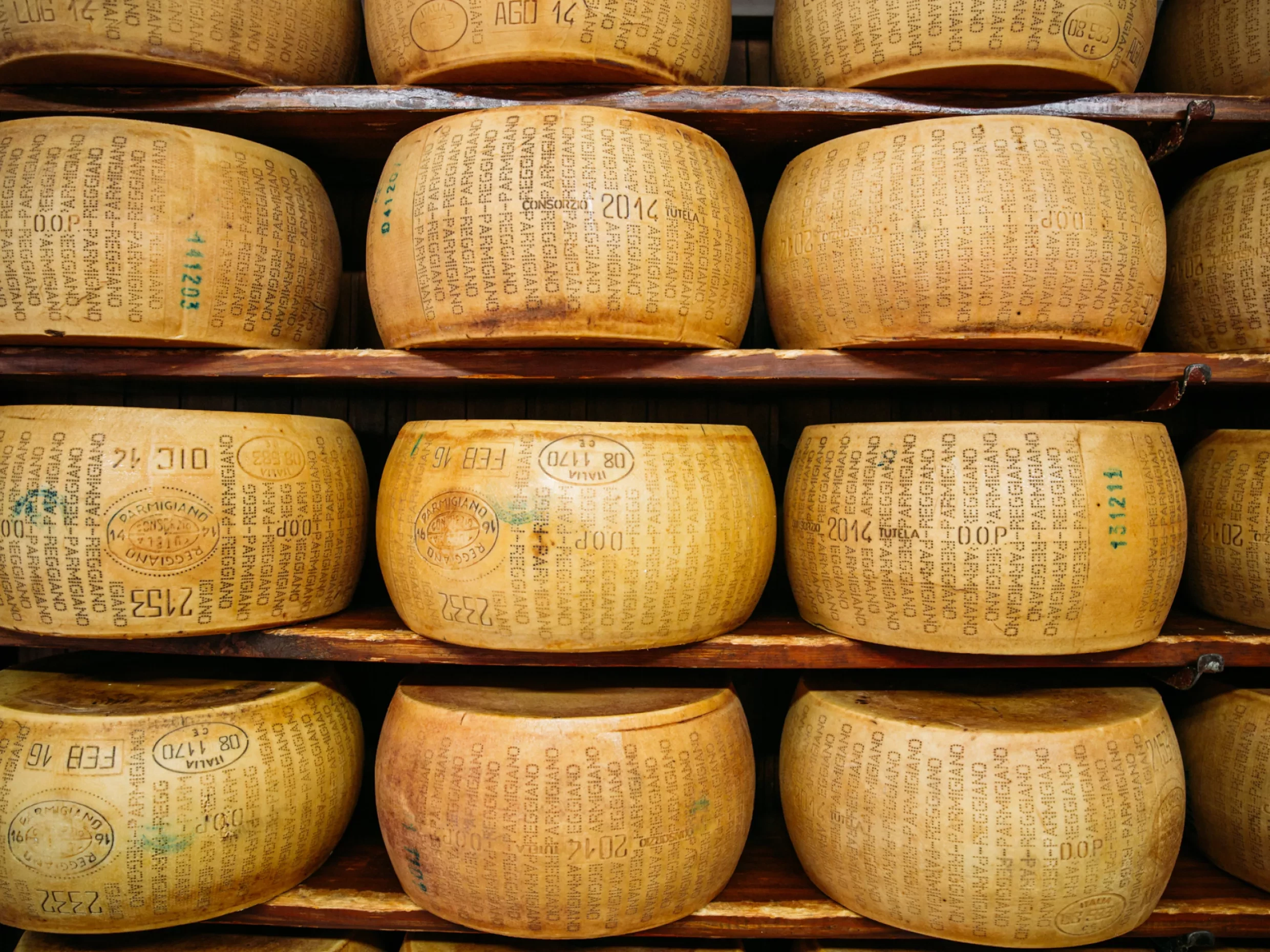
Parmigiano‑Reggiano - Parmesan cheese to you and me - shares a similar lineage of precision. It’s thought local monks may have first developed the hard, cooked cheese as a way to preserve milk in the twelfth or thirteenth centuries, and over time it became known as the ‘King of Cheeses.’ Each wheel is shaped by milk from local pastures, then aged for a minimum of twelve months, and anything up to four years or more, in tightly regulated conditions.
Both products carry DOP (Denominazione di Origine Protetta, or Protected Designation of Origin) status - a guarantee that they can be produced only within a defined area and by traditional methods.
A City That Lives by the Seasons
Across the region, each time of year has its own culinary traditions. Spring brings tender greens and the first new cheeses. Summer dishes include fruit, herbs, and sun‑ripened vegetables, autumn is all about warmth, with mushrooms, grains, and slow‑cooked meats, and winter draws people toward broth, bread, and rich comfort.
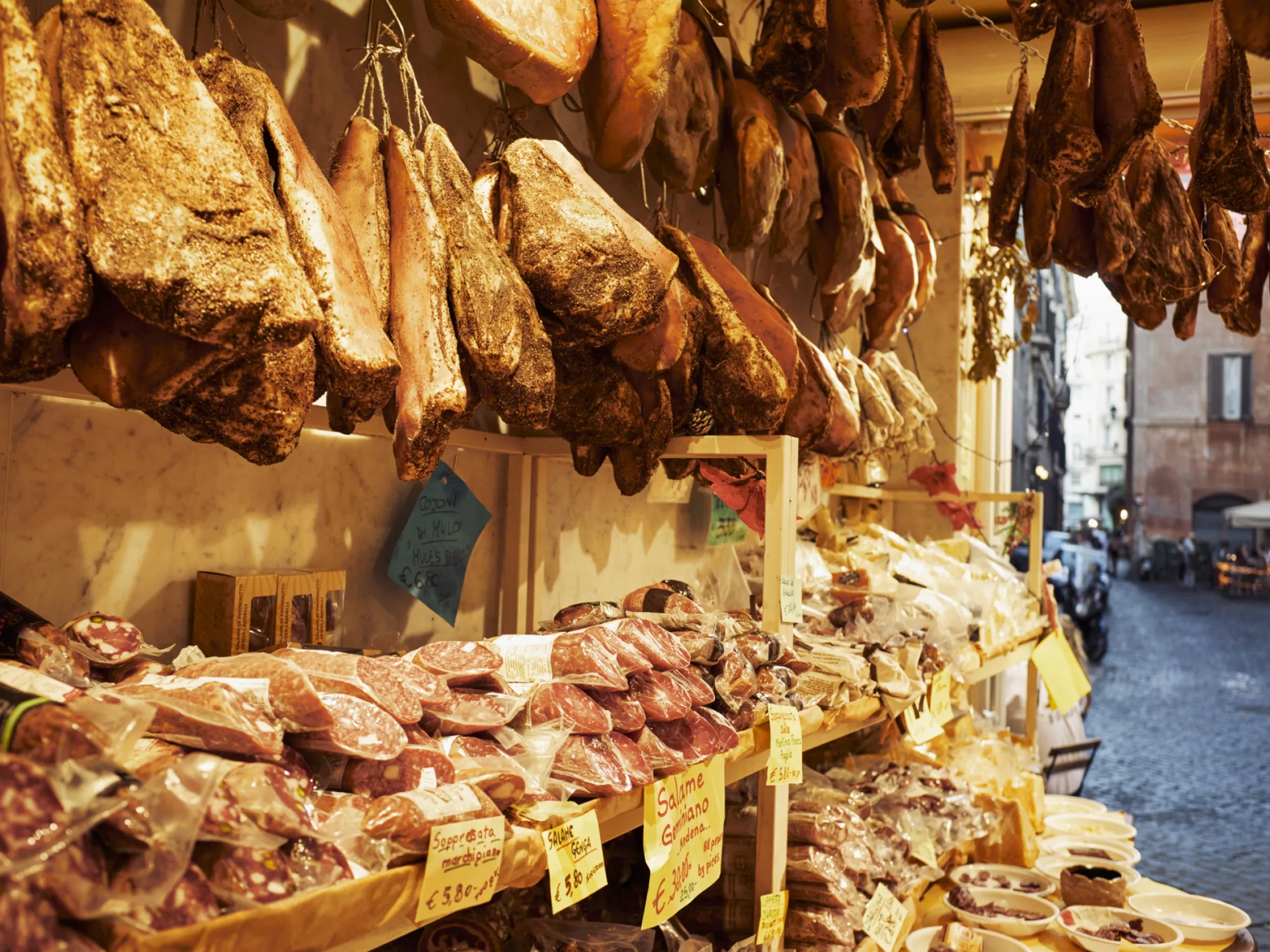
Across the year, bakeries, markets, and salumerie - traditional Italian delicatessens specialising in cured meats like prosciutto, salami and mortadella - mirror the changing seasons in the selections they offer.
Dishes that Define Parma
Parma’s heritage thrives in a handful of dishes that express the region:
Tortelli D’Erbetta
Among the most famous of all Parmesan dishes, tortelli d’erbetta is fresh squares of pasta filled with ricotta cheese and greens (usually spinach or chard), folded by hand and served simply with melted butter and grated Parmigiano‑Reggiano.
Anolini in Brodo
Claimed by both Parma and Piacenza as their own, this dish comprises small, round pasta parcels filled with slow‑cooked meat (often braised beef), breadcrumbs and cheese, served in a deeply savoury, golden broth.
Culatello di Zibello
This prized cured meat is air-dried and aged for at least ten months in the humid cellars along the Po. It’s Parma’s most refined charcuterie, traditionally sliced paper‑thin and served with bread and wine.
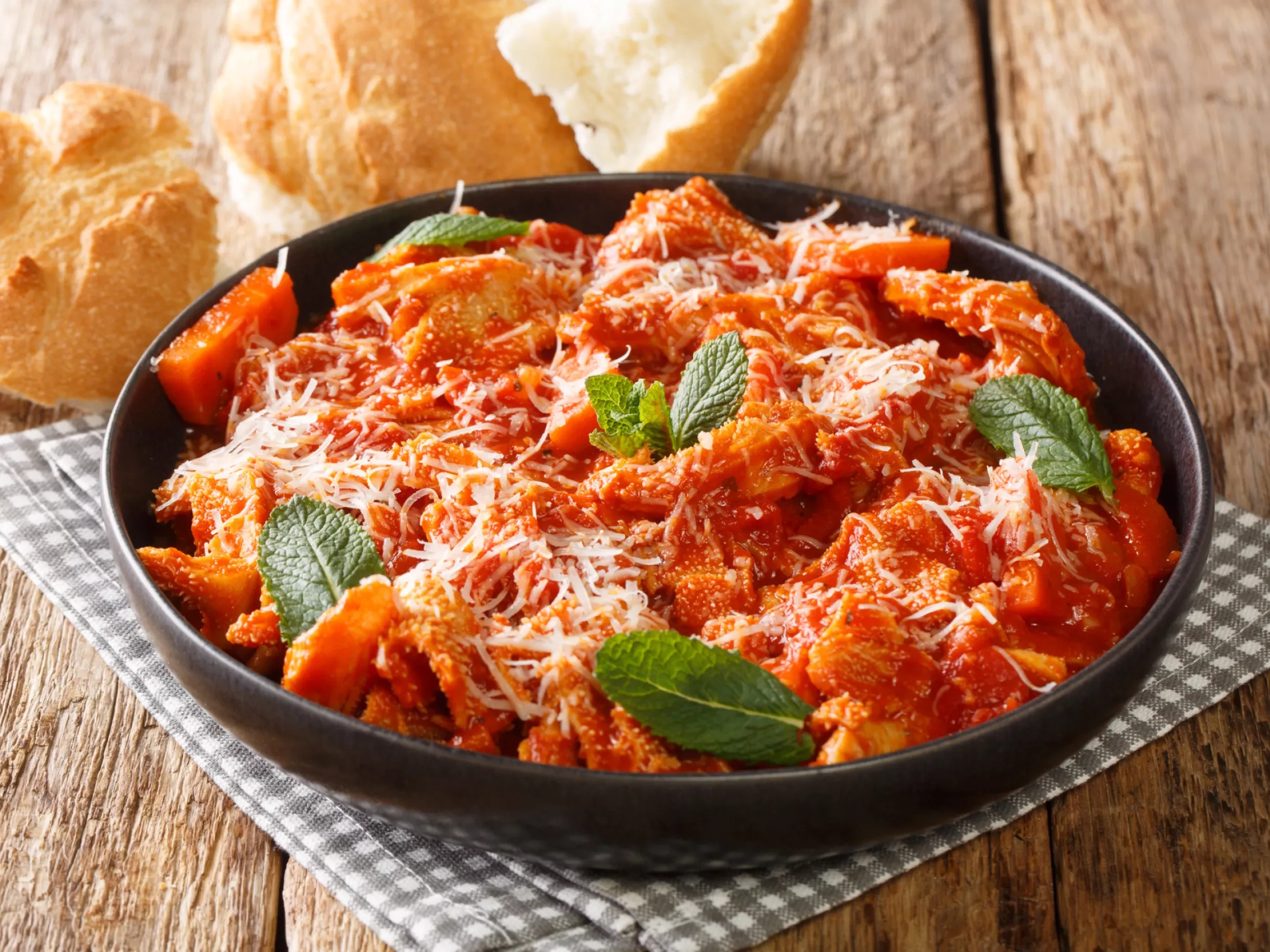
Trippa alla Parmigiana
Trippa alla Parmigiana is a traditional Emilia-Romagna dish featuring veal tripe stewed with vegetables (onion, celery, carrot), broth, and tomatoes, finished with lots of butter and Parmigiano-Reggiano cheese. This hearty stew is served hot, usually with toasted bread.
The Taste of Parma
Parma’s markets, festivals, and family tables still honour the same traditions that have shaped the city’s food for centuries. In 2015, Parma was named a UNESCO Creative City of Gastronomy, recognising its influence on Italian food culture. Here, heritage isn’t kept in a museum, it’s lived daily through every slice of ham and every wheel of cheese.
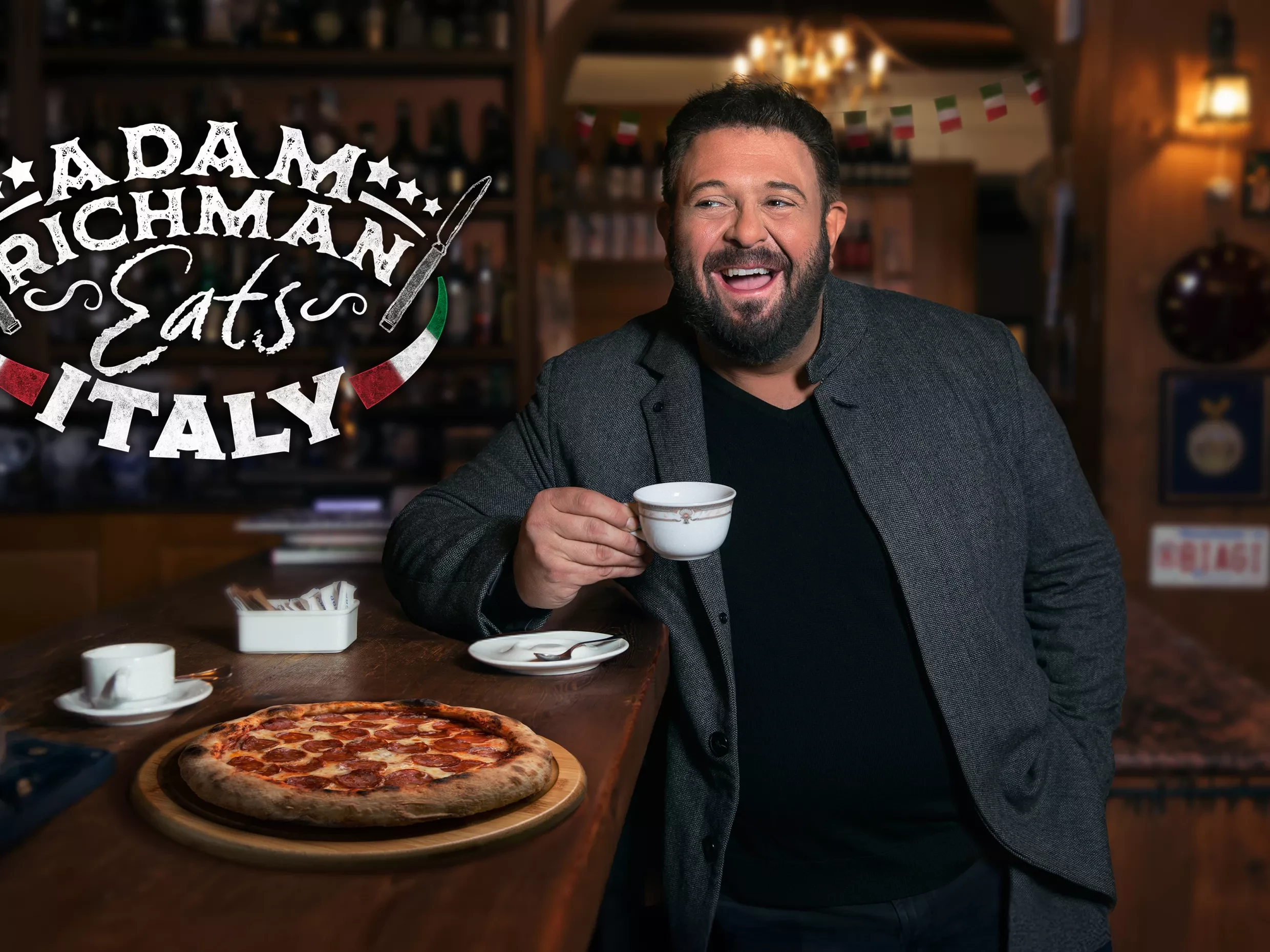
Watch Adam Richman Eats Italy On Discovery+
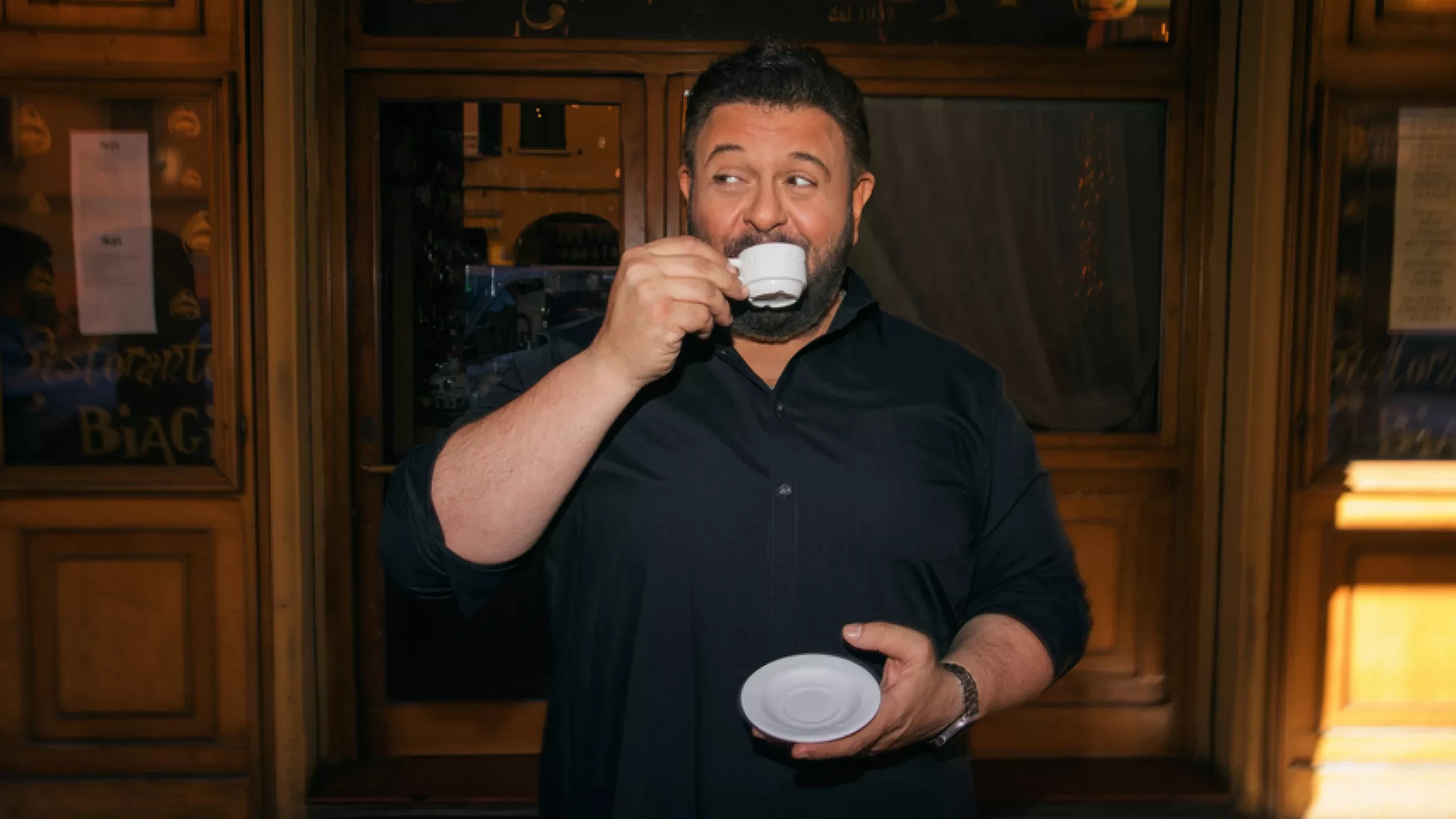
Man vs Food legend Adam Richman’s new show on Discovery+ uses the map as a menu as he embraces Italy’s remarkable relationship with food. In episode three, Adam is in Parma to taste the most iconic foods named after this city. He sees how Parmigiano Reggiano cheese is made, and then tastes it in the Tortelli di Parma pasta dish. And a visit here wouldn't be the same without tasting Prosciutto.
Watch Adam Richman Eats Italy on discovery+ today!
You can also read an interview with Adam as he discusses his culinary journey through Italy here.