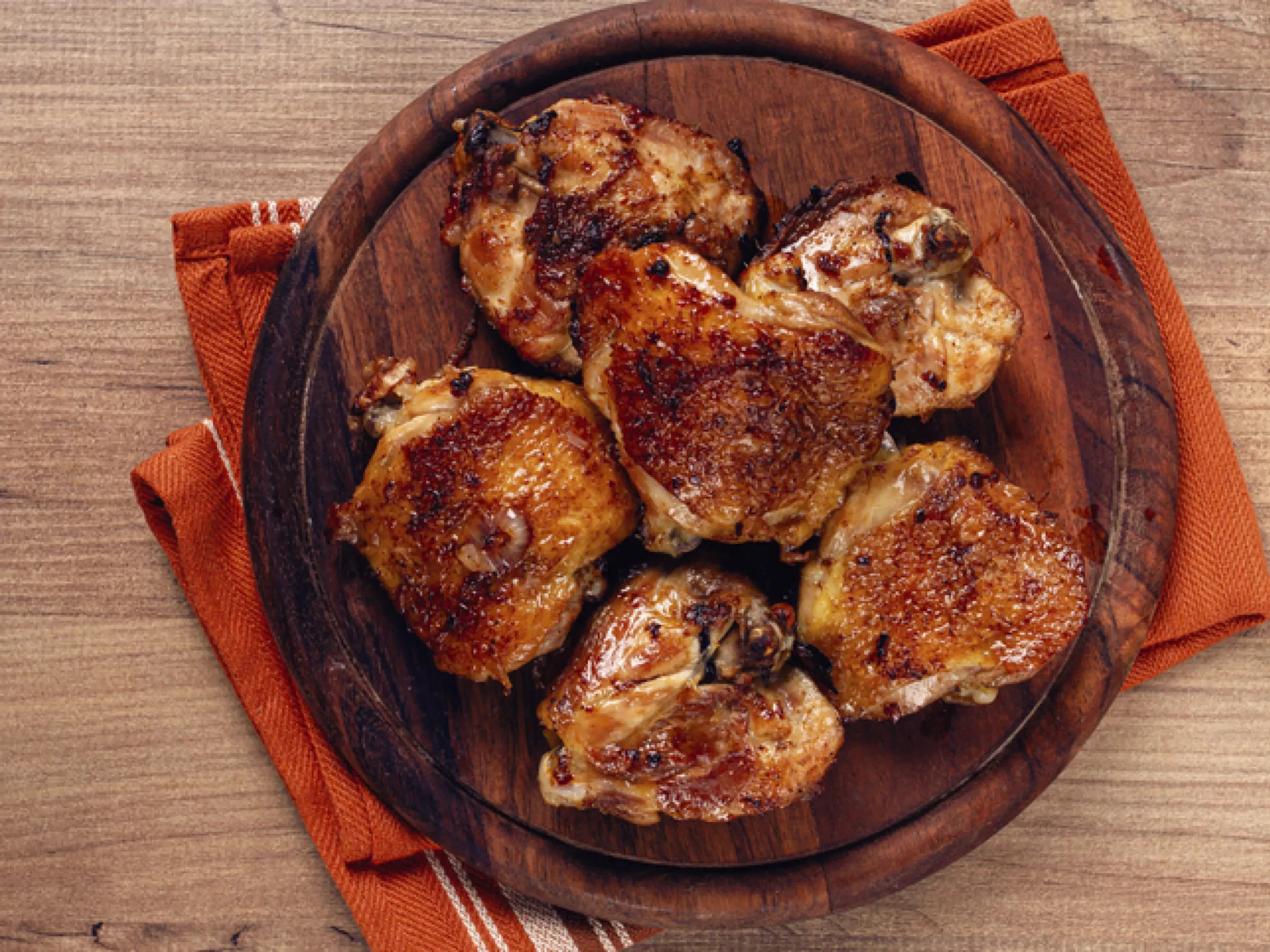


In America, they broil. In the UK, we grill. But is it exactly the same thing? Actually, yes it is. It's the act of cooking food directly under a high-heat source located at the top of the oven. Here's your indispensable guide on how to broil.
What is Broiling?
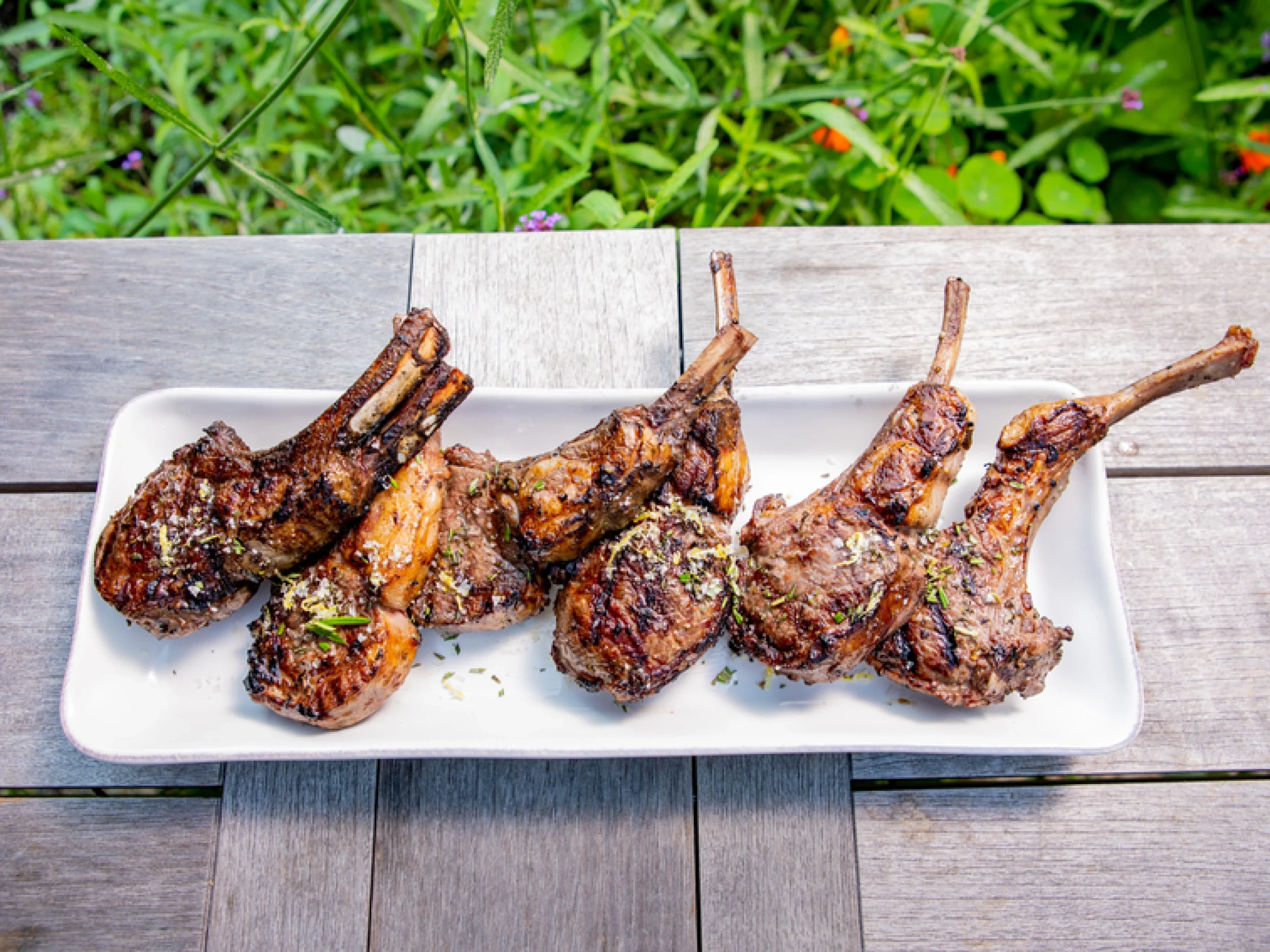
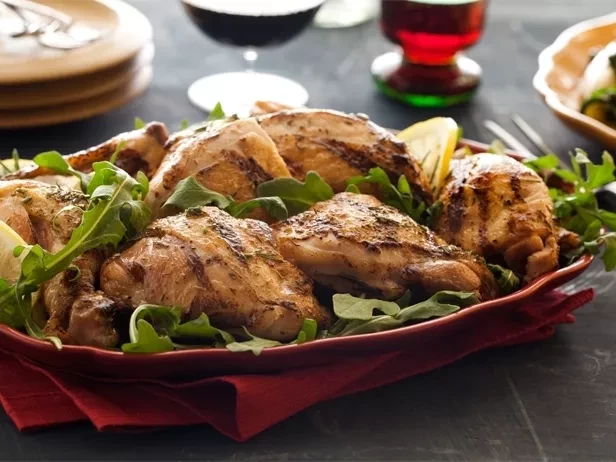
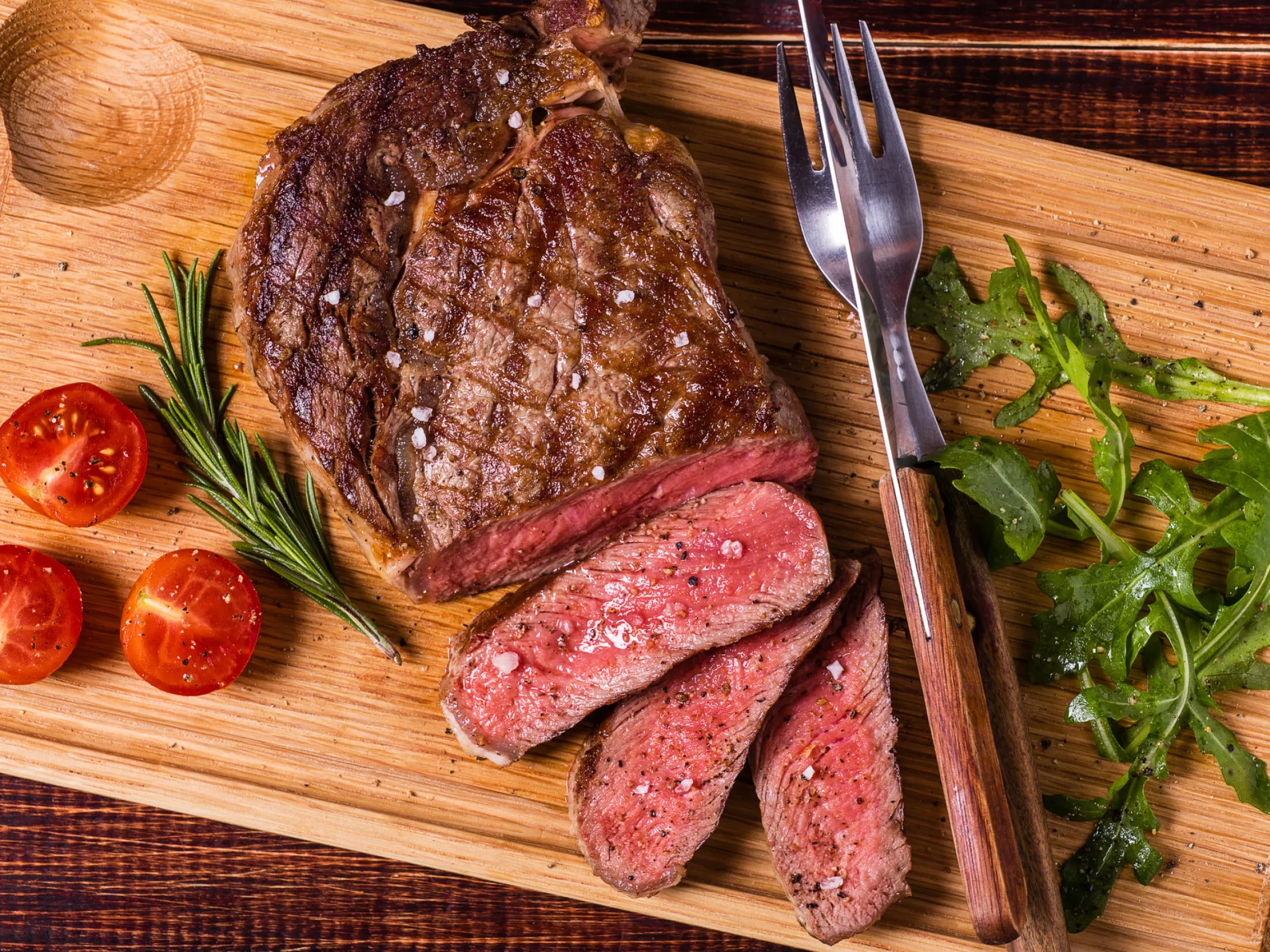
Broiling is a cooking technique that uses direct heat from above to cook your food in the oven. It’s a bit like upside-down BBQ-ing. Broiling is a good way to cook thinner, leaner cuts of meat like butterflied chicken breasts, pork tenderloin medallions, strip steaks, kebabs and vegetables. Broiling is also a way to add colour, crispness and flavour to baked or roasted food.
What Is a Broiler?
A broiler is a source of radiant heat in the top of an oven or a bottom broiler drawer. In an electric oven, it is a coil that is attached to the top of the oven. In a gas oven, it is a burner on the top of the oven or in a drawer underneath that slides in and out.
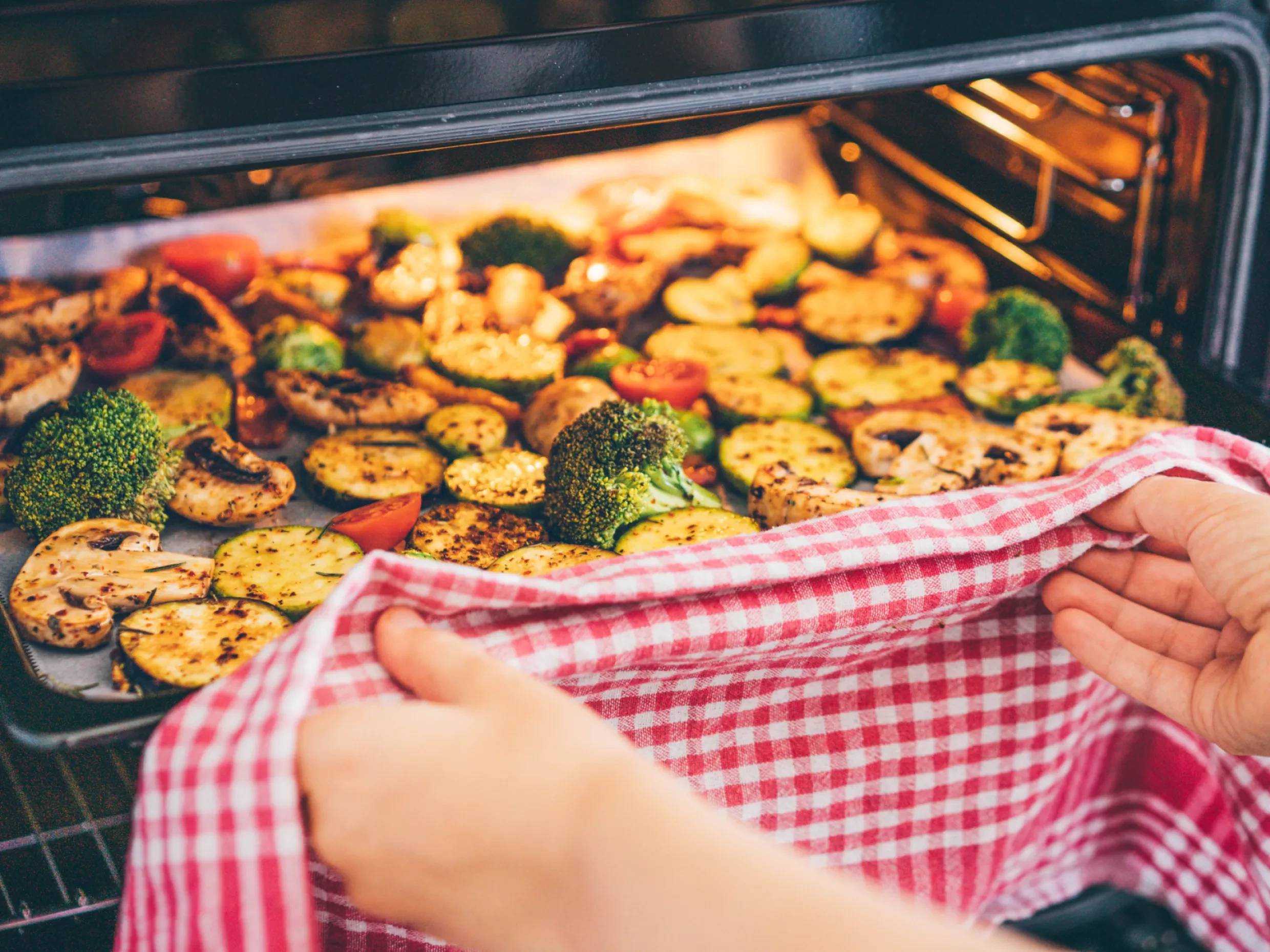
Broil vs. Bake: What's the Difference?
Baking is the gentlest of the cooking methods in an oven because the food isn’t in close contact with the heat source. The heat may come from the bottom and the top of the oven or only from the bottom. Baking is used for cakes and cookies and breads, which is why when we use the broadest term to describe them, we call them baked goods.
Broiling cooks food with a direct source of heat from above. When broiling, we adjust the oven rack to one of the top two spots, so the food is close to the heat source. While baking happens unattended, broiling requires your constant attention to ensure a tasty (and not burnt) outcome.
How to Broil
1. Select the Right Items to Broil
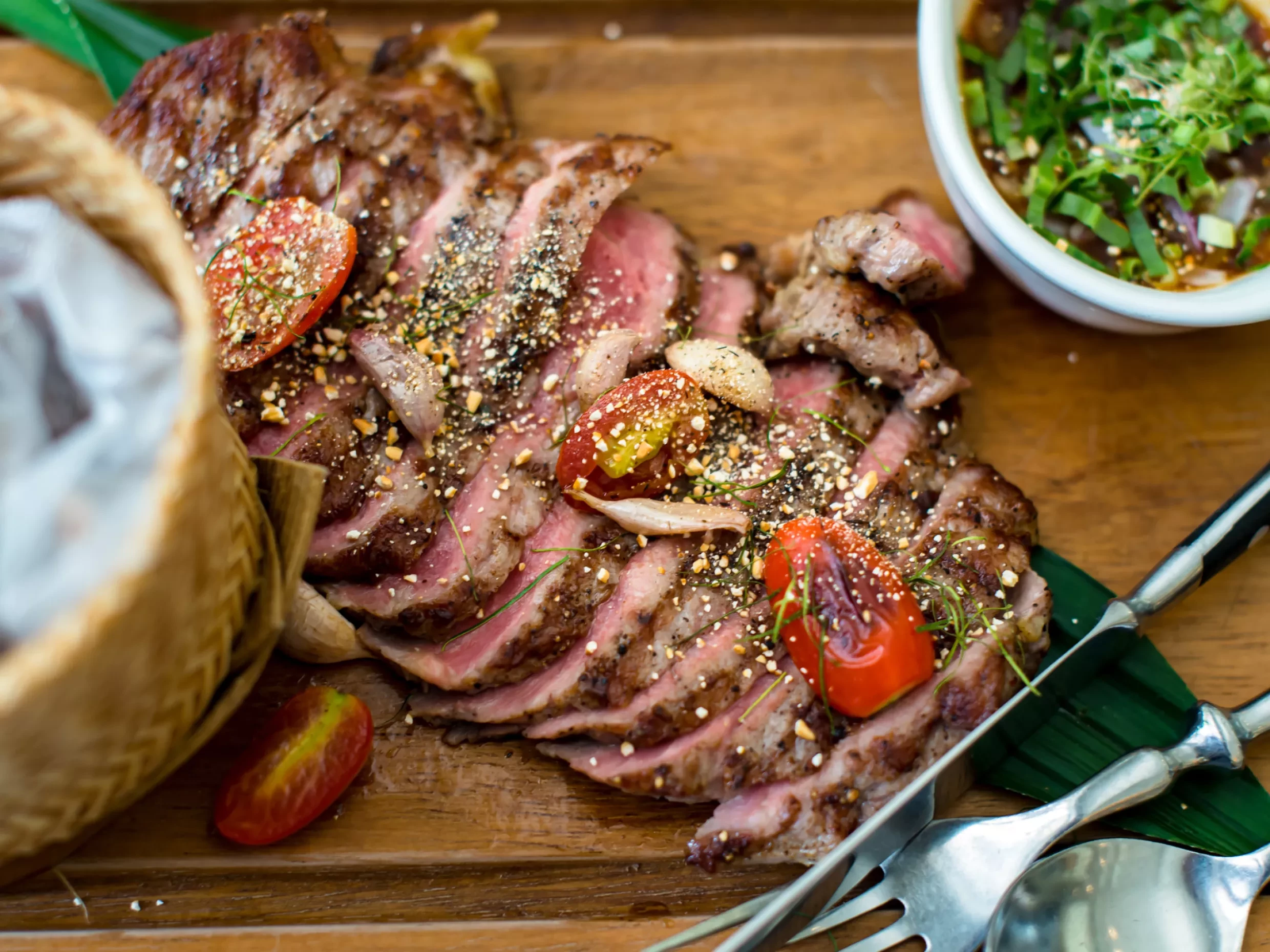
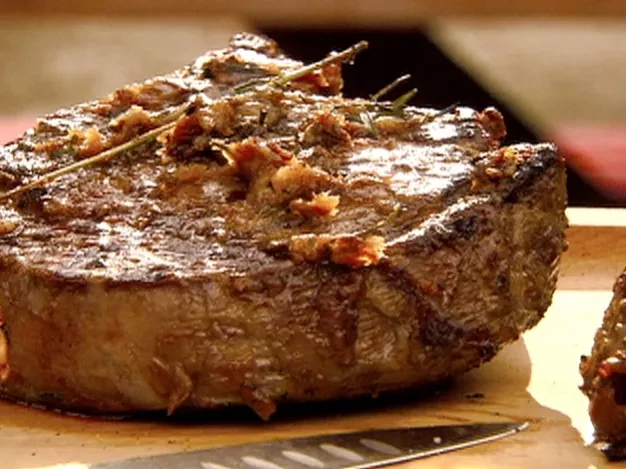
- Lean, thin cuts of meat are the best to use. Chicken breasts, which are by nature a bit of a wedge, should be butterflied or pounded to an even thickness. Flank steaks are a good option, as are skirt steaks, thin, trimmed strip steaks and filet mignon.
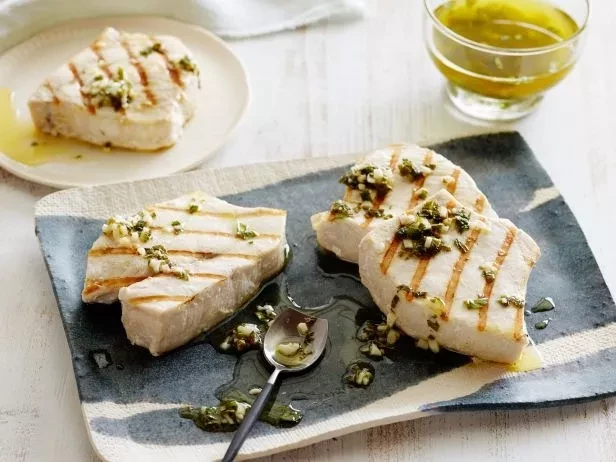
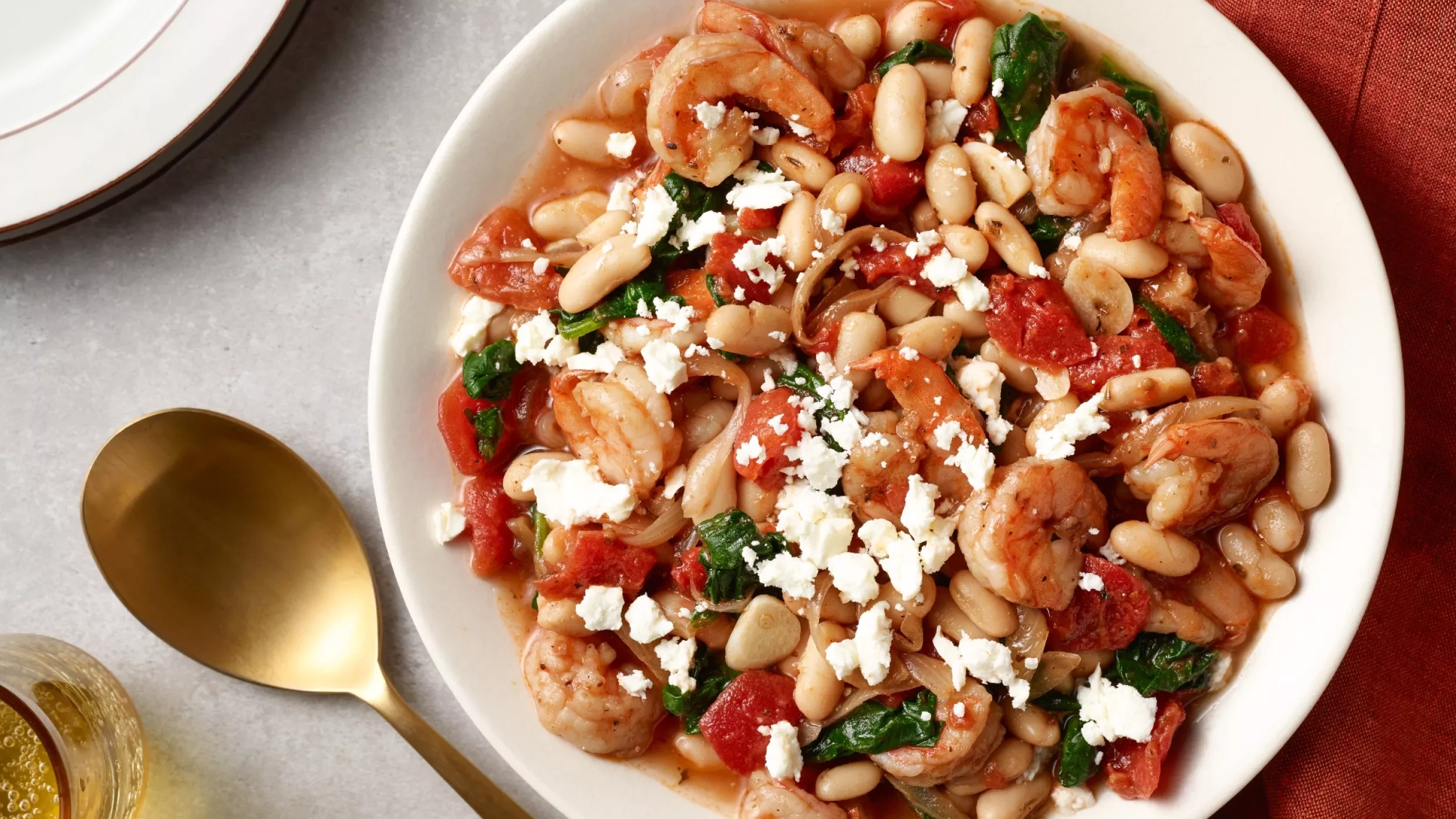
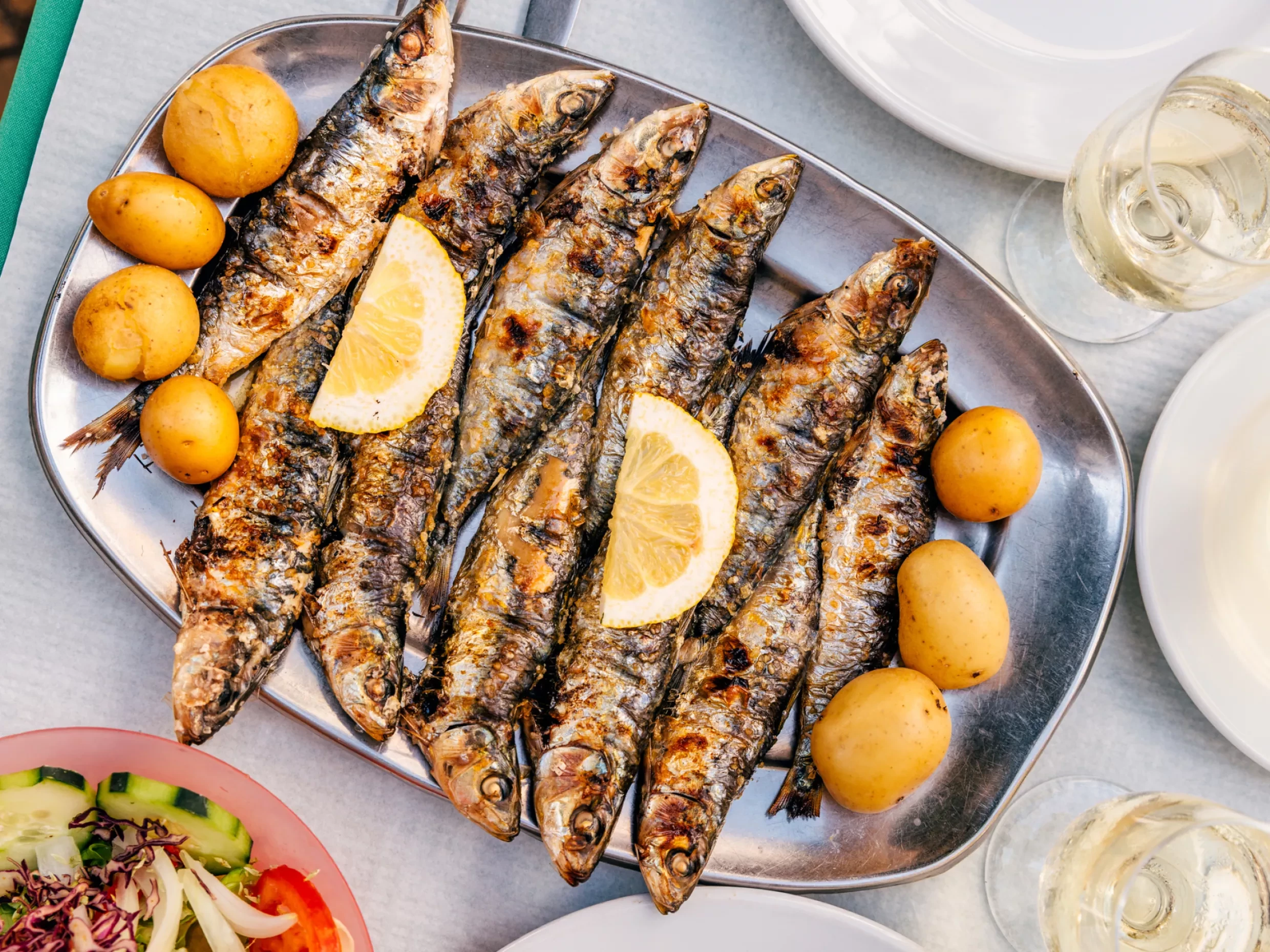
- Fish is always a good option, you just need to be careful with over cooking.
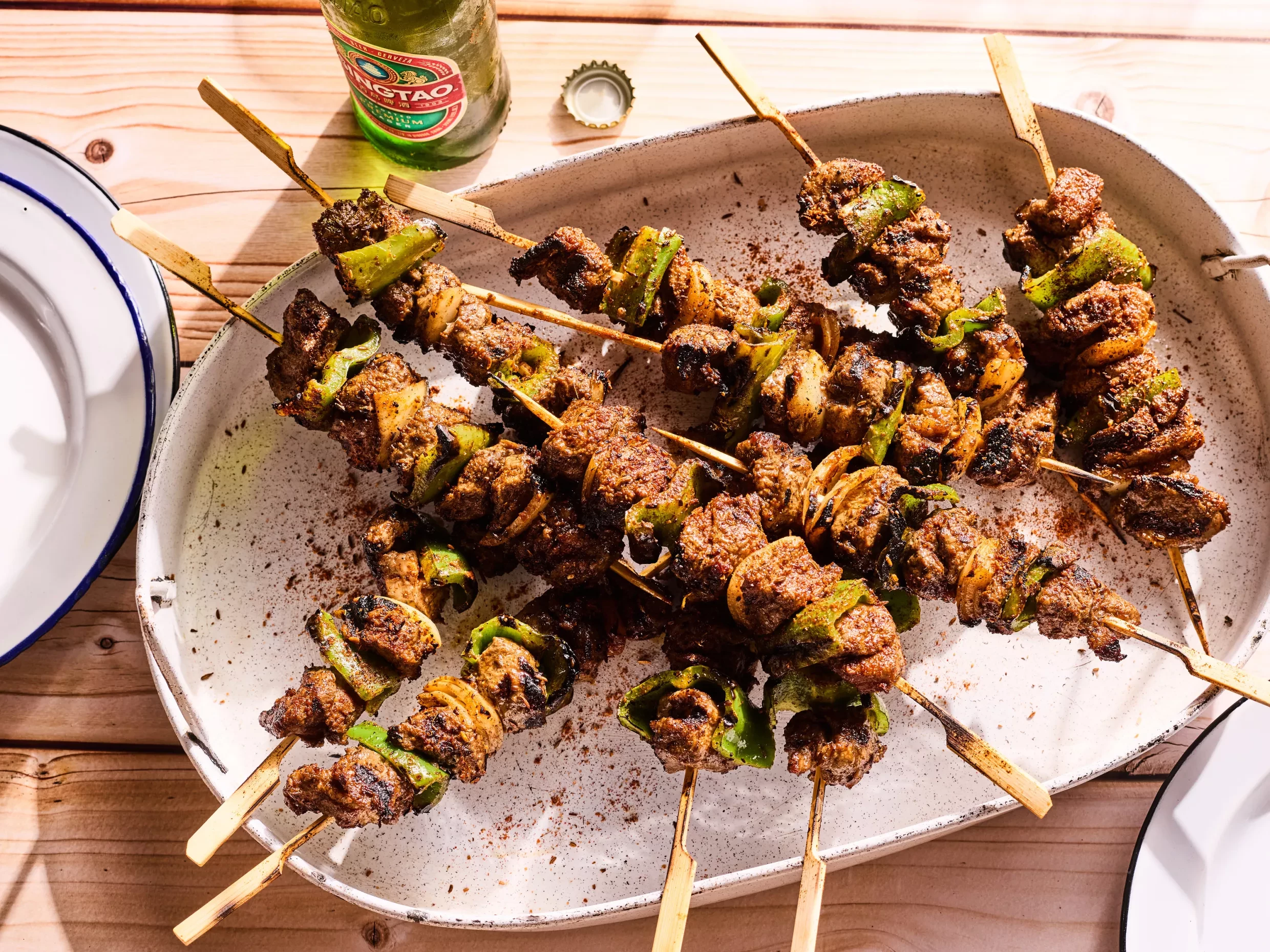
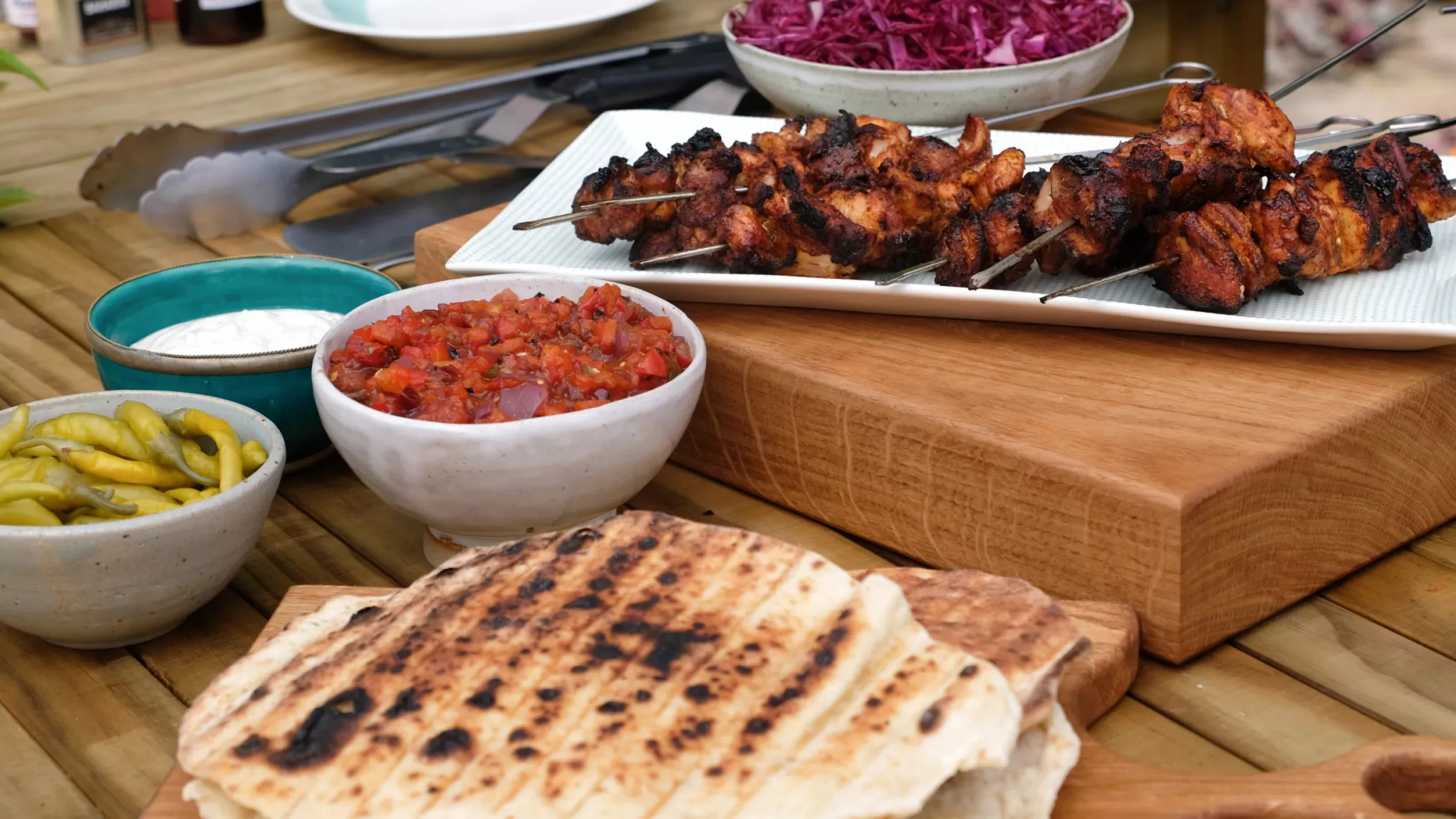
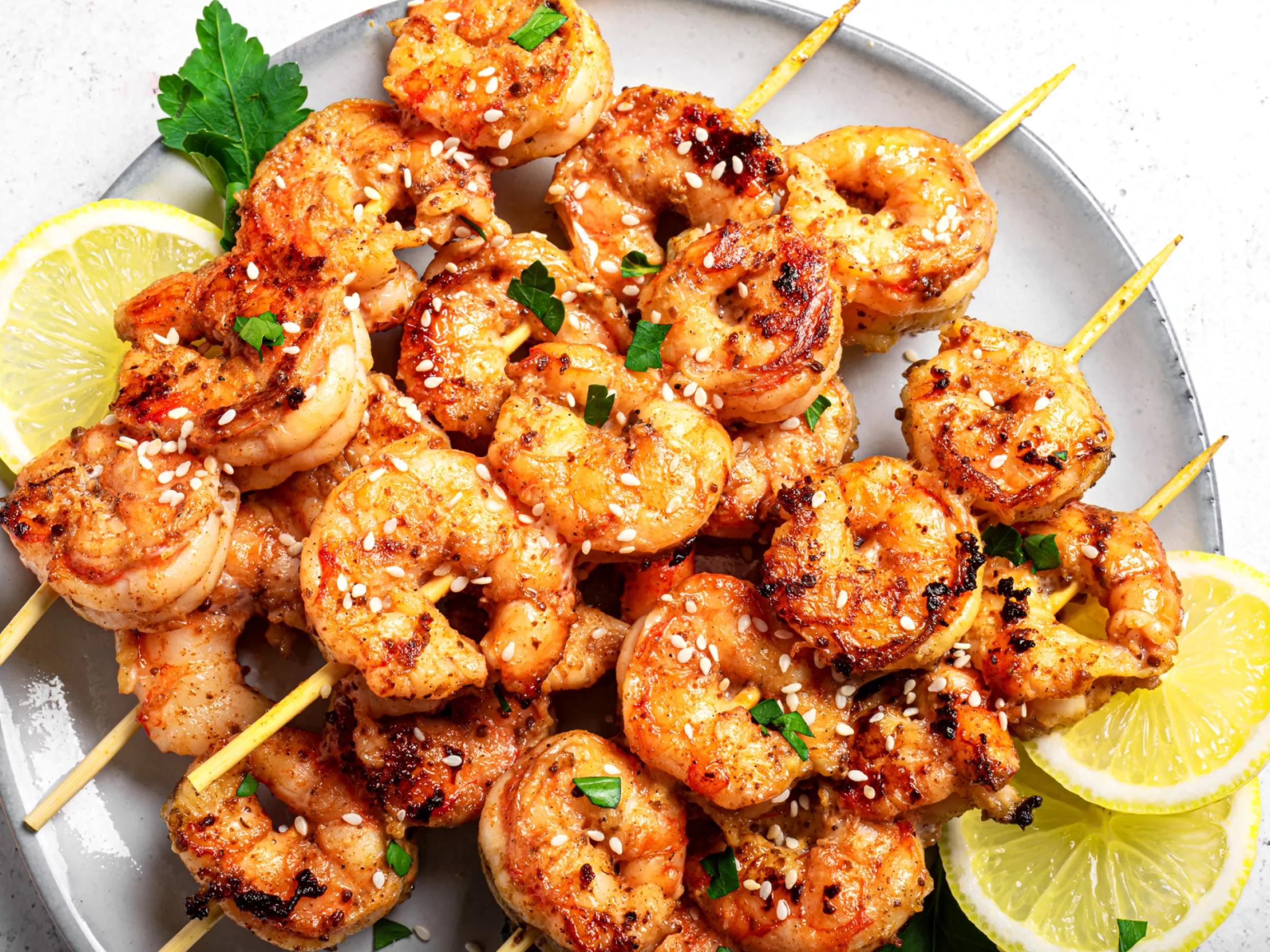
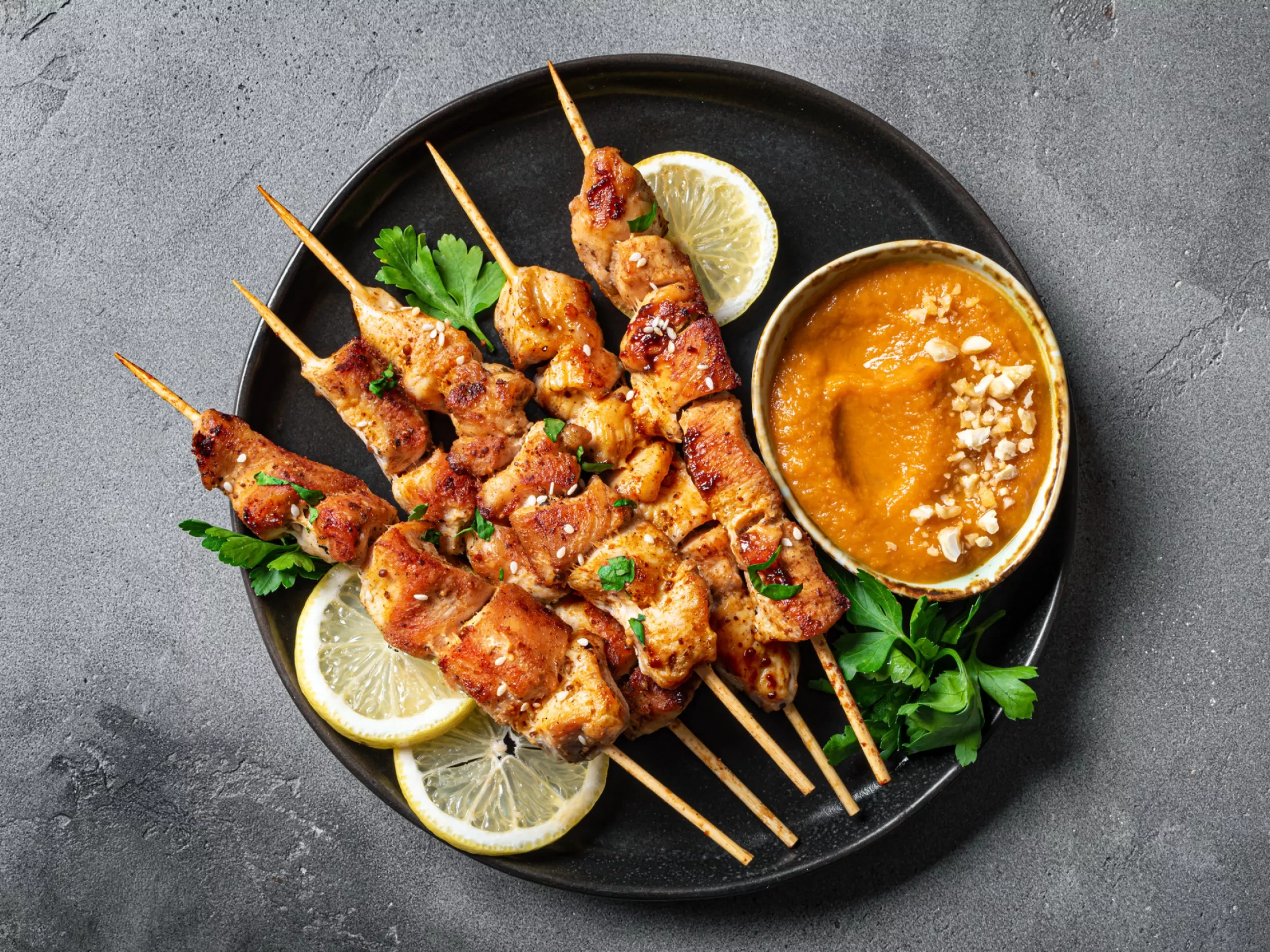
- Small pieces of meat on skewers like kebabs or satays are great choices.
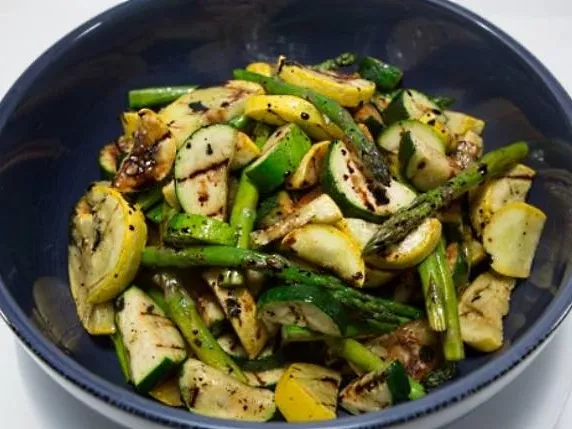
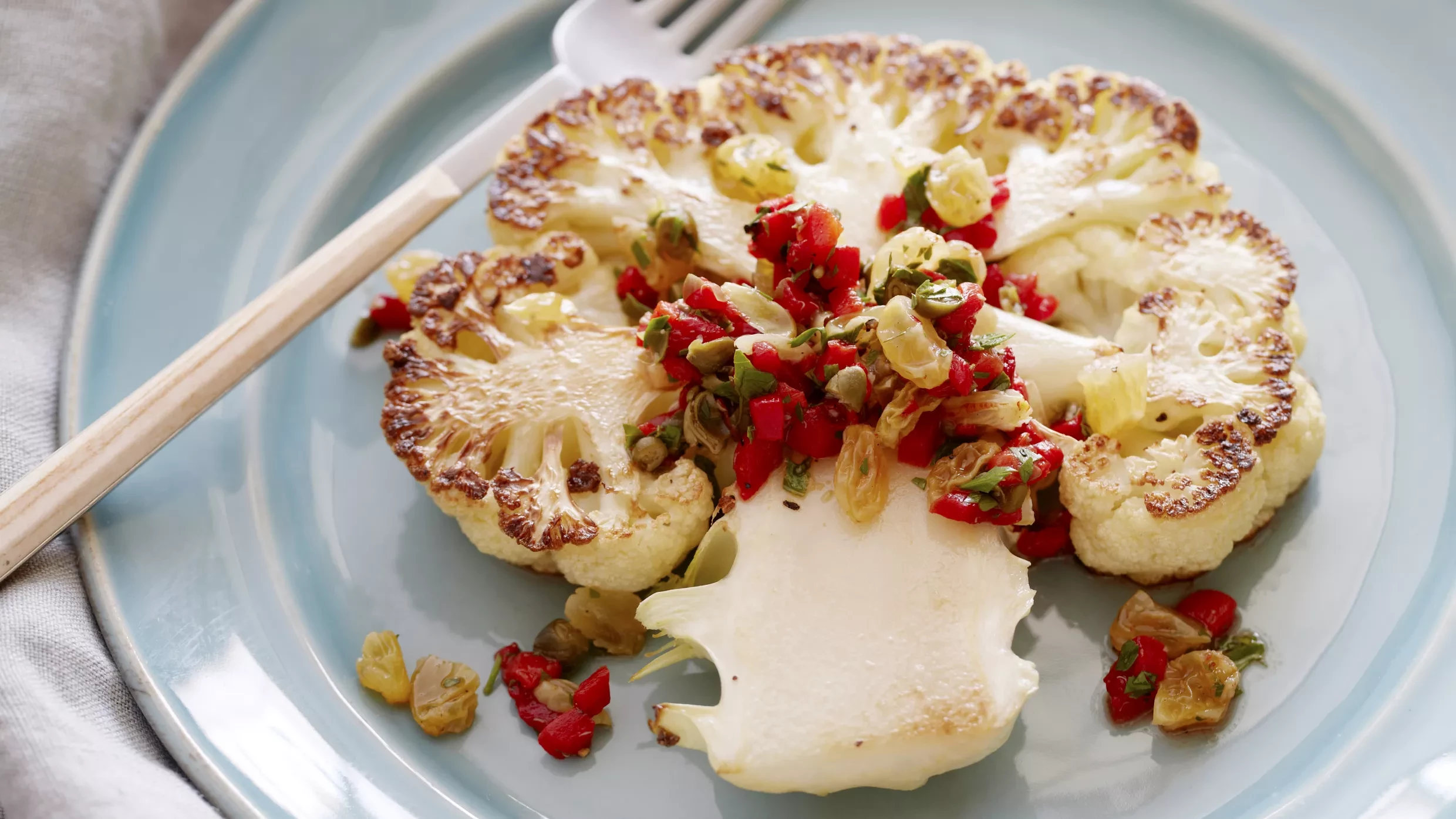
- Vegetables will get great caramelisation under the broiler. Much like prepping meat, you should make sure to chop vegetables into evenly sized pieces.
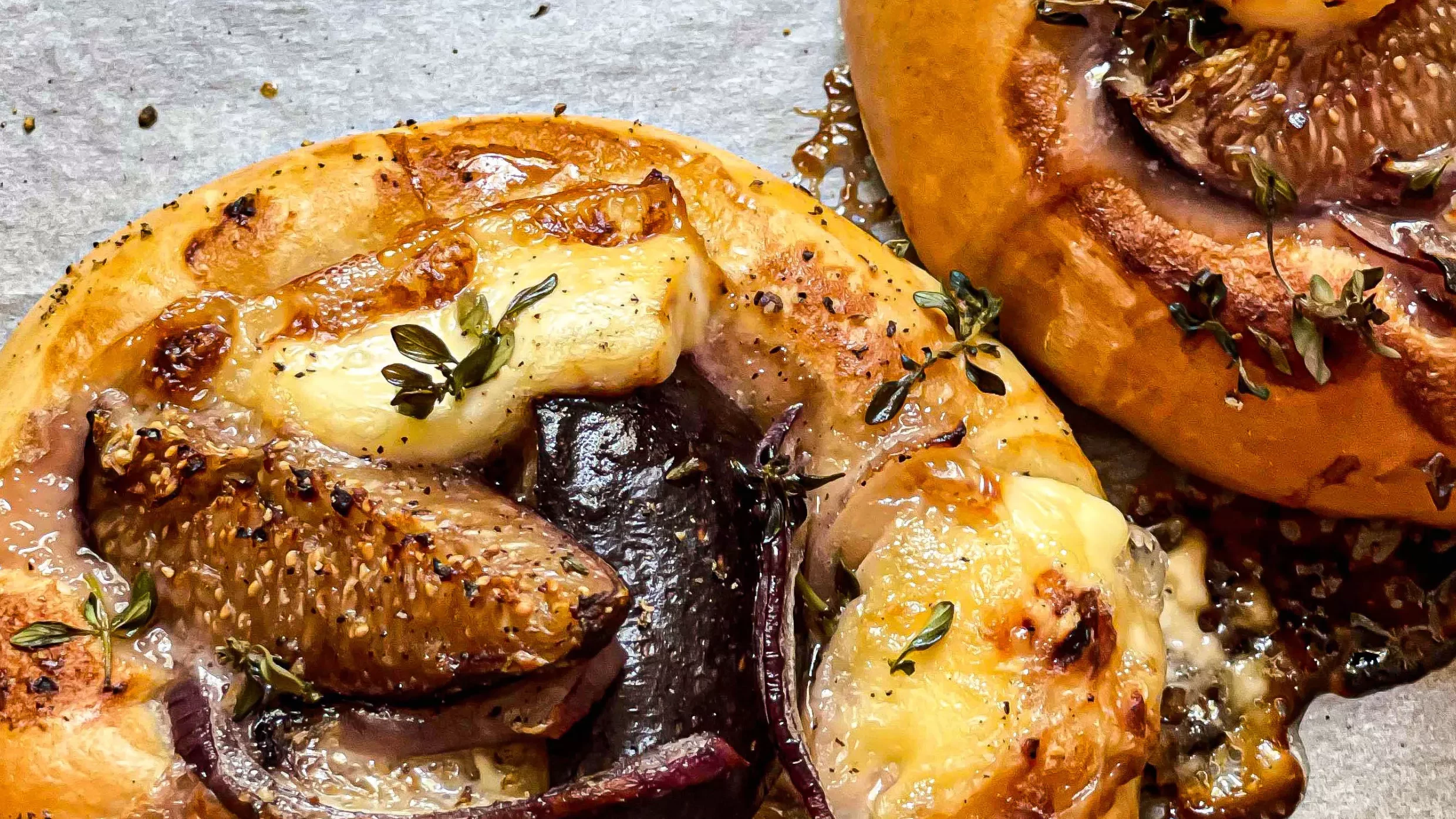
- Partially cooked food: You can also use the broiler to brown food that has just been baked or shallow-braised in the oven, meaning it's cooked all the way through but needs to crisp up or turn golden brown. Broil it for a minute or two, and you'll achieve both the advantages of the oven and the broiler.
2. Season the Food for Broiling
Your go-to should salt, pepper and a rub for extra flavour. Avoid marinades. Marinating will introduce, oil and that can lead to splatter, smokiness and a possible fire hazard under a broiler.
3. Transfer the Food to the Right Kind of Pan
Using a broiler pan can be very beneficial, as the top part is a grid that allows air to circulate around the food you’re broiling. They’re part of the package when you buy a new oven.
In some cases, you’ll use a sheet pan lined with foil that you'll preheat before putting, say, meat on it so the heat from the pan cooks the bottom of the meat while the heat from the broiler cooks the top. It’s a great technique to use when you’re making flank steaks, because you don’t have to flip the steak.
4. Adjust the Oven Racks
Generally, there should be three to five inches between the top of your food and the broiler. The closer you put the food, the faster it'll cook.
5. Preheat the Broiler
Preheat your broiler for three to four minutes before you start cooking. This is especially important for a gas broiler. The heat plate that spreads out around the actual burner needs a few minutes to heat up so you get even heat across the broiler pan.
6. Monitor the Food
Food can go from golden-brown to completely burned in a matter of seconds, so stand nearby and watch it like a hawk. Because the broiler gets very hot, it's best to never use the broiler for more than 15 minutes. Foods that take a long time to cook through should be pre-baked.
Broiling Tips for Safety
Do not use glass or non-stick cookware: Glass, even Pyrex, can easily shatter. With non-stick cookware, you run the risk of dangerous fumes when it gets as hot as the broiler.
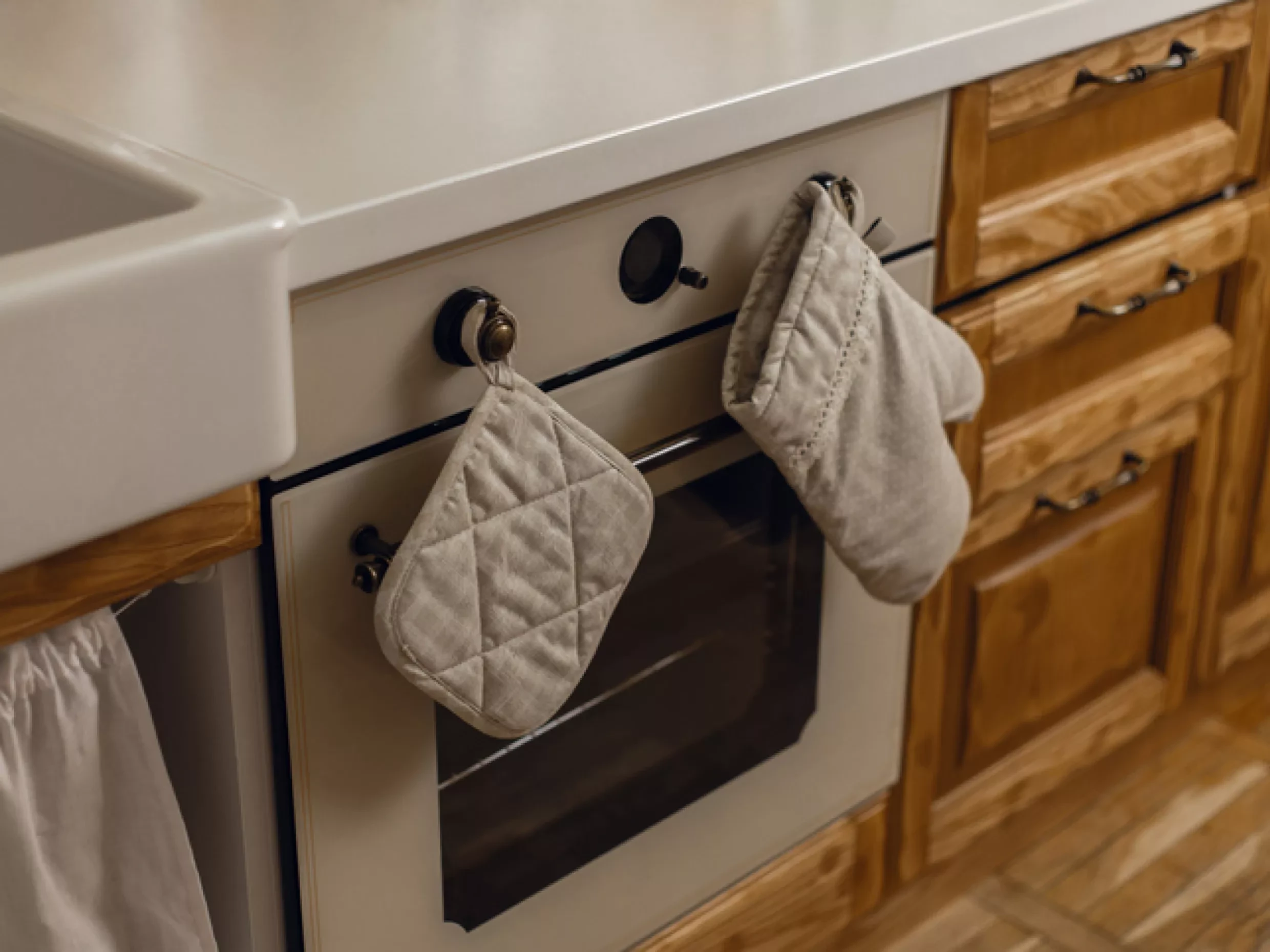
Use oven gloves or a towel: Any pan that comes out of the broiler will be extremely hot. If you leave it on the stovetop or a trivet or cooling rack after it comes out of the oven, drape the handle or side of the pan with a towel - the universal chef's signal for a hot pan, be careful.
What Temperature Is Broiling?
The temperature at which an oven broils is around 500°F to 550°F ( 260°C to 290°C )and this goes for both gas and electric ovens.